Greece Turns Solar Curtailment Crisis Into Storage Boom
Greece is transforming a solar energy challenge into an opportunity by pairing solar farms with battery storage. After curtailing 2,000 GWh of renewable power in 2025, the country is racing to build energy storage solutions that could stabilize its grid and protect solar investors.
Greece's booming solar industry just hit a growing pain, but the solution could make its clean energy future even brighter.
The country curtailed about 2,000 GWh of renewable energy in 2025, mostly from solar farms forced to shut down between 9 a.m. and 4 p.m. when production peaks. By 2026, researchers expect that number to jump 75% to nearly 3,700 GWh as more solar comes online.
This isn't just an operational headache. Last year's curtailments cost Greek solar producers roughly 20% of their revenue, according to industry leaders at a recent seminar in Thessaloniki. The situation has gotten so challenging that more than 2,200 solar parks changed hands over the past two years as investors struggled with shrinking returns.
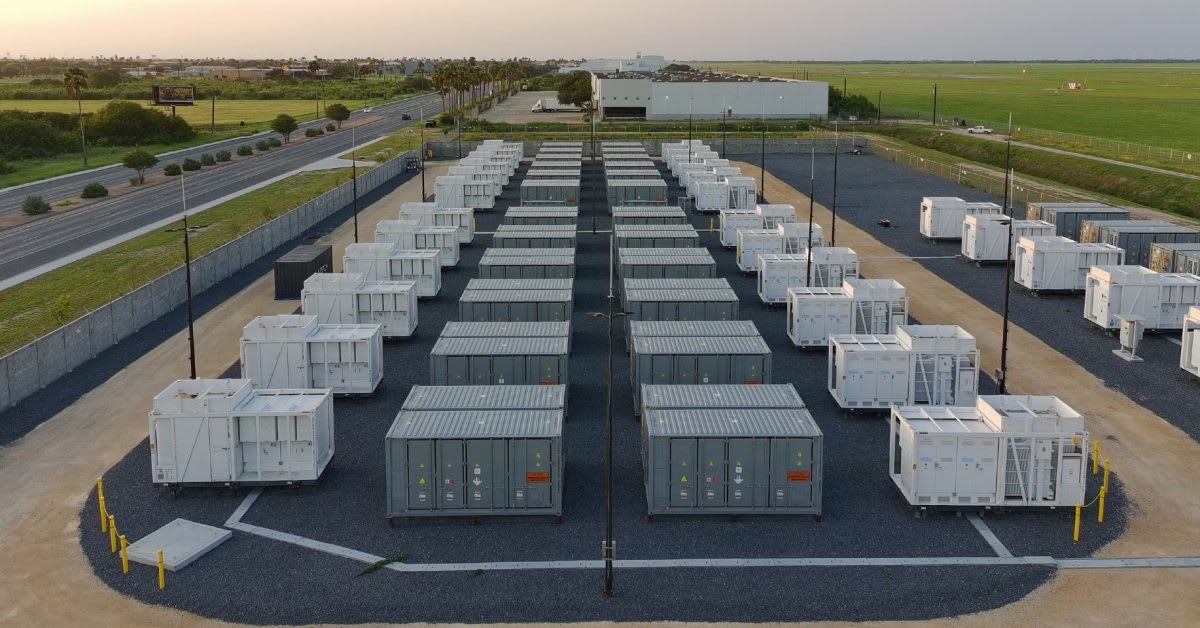
But here's where the story gets exciting. Greece is responding by racing to build energy storage capacity that pairs batteries with solar farms, creating a smarter grid that can save power for later instead of wasting it.
The country has already awarded contracts for 900 MW of battery storage through three government tenders. Meanwhile, private investors are developing a massive 4.7 GW program of standalone battery projects that will operate without subsidies. New regulations even allow solar farms to add batteries that charge during peak production and feed power back when demand is high.
The Ripple Effect
This shift could transform Greece's entire energy landscape. Battery storage doesn't just solve the curtailment problem. It relieves grid congestion, frees up transmission capacity, and could even lower electricity prices for industrial users, according to Professor Pantelis Biskas of Aristotle University.
Greece already gets 56% of its electricity from renewable sources, a remarkable achievement for any country. Now it's building the infrastructure to make sure none of that clean energy goes to waste. While renewables generated about 25 TWh from solar and wind in 2025, better storage means more of that power reaches homes and businesses when they need it.
The transition isn't without challenges. Domestic banks remain hesitant to finance storage projects, and regulatory frameworks still need refinement. Energy demand has stayed flat, and Greece's modest electricity exports mean the country can't simply sell excess power abroad.
Yet investors are moving forward anyway, betting that batteries represent the next essential piece of Greece's renewable revolution. As curtailments climb and solar continues expanding, storage isn't just helpful anymore—it's becoming necessary for the math to work.
What started as a crisis of too much solar power is driving Greece toward a more resilient, flexible energy system that wastes less and stores more for tomorrow.
More Images

Based on reporting by PV Magazine
This story was written by BrightWire based on verified news reports.
Spread the positivity!
Share this good news with someone who needs it