Greek Island Tilos Achieves Zero Waste, 90% Recycling Rate
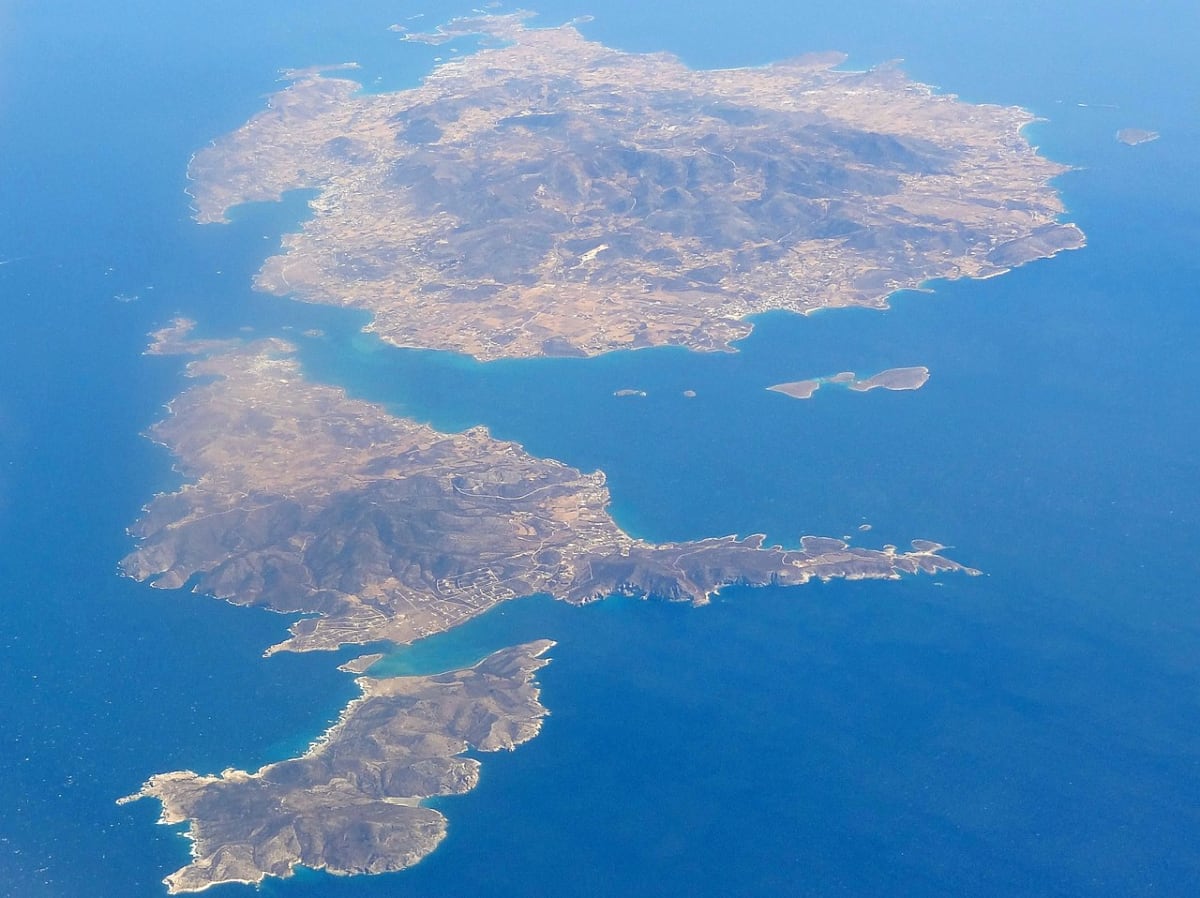
A small Greek island has become the world's first certified zero-waste island by ditching its landfill and sorting everything at the source. Tilos now recycles or composts 90% of its waste, turning what was once buried trash into valuable raw materials.
Tilos, a tiny Greek island, used to bury all its garbage on a hillside overlooking the sea. Wind scattered plastic across the beaches below, and the landfill kept growing.
Most small islands face the same problem. Residents and tourists create waste, but shipping it elsewhere costs too much, so communities sacrifice precious land to bury the problem.
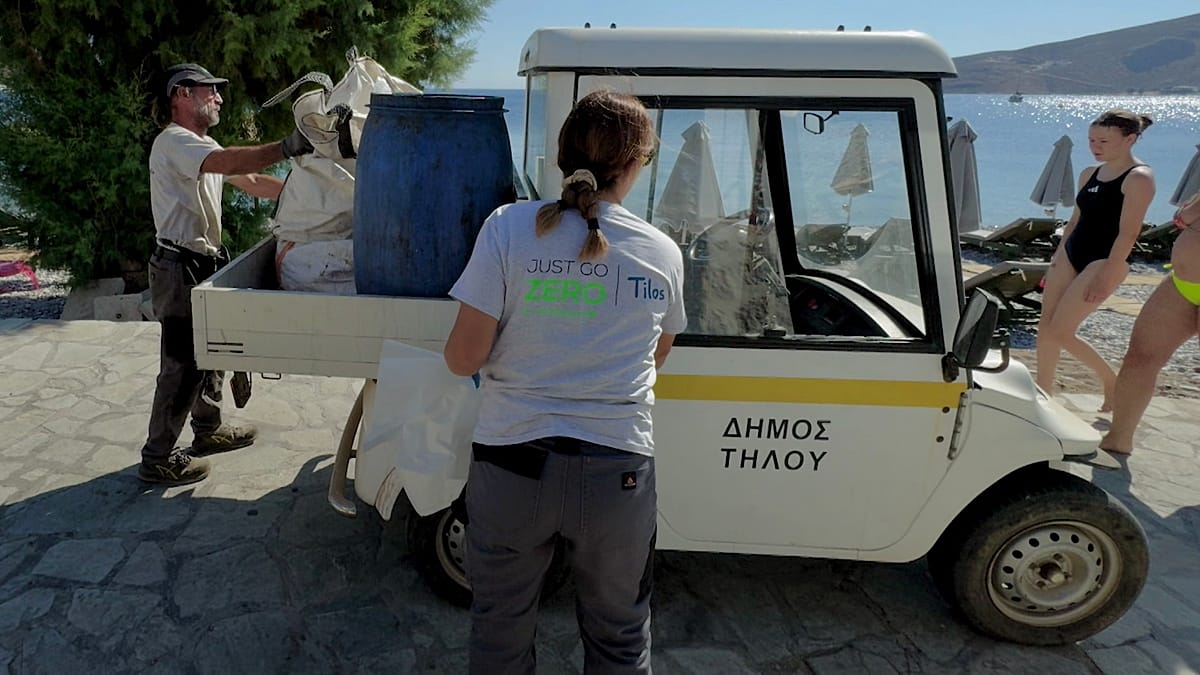
A few years ago, Tilos tried something radical. The island removed every public trash bin and launched door-to-door collection instead.
Every household and business received separate bags for recyclables and organic waste, each tagged with a QR code for tracking. The change wasn't easy, but the results speak for themselves.
Today, Tilos holds the world's first Zero Waste Cities Certification with a 90% recycling and composting rate. That's far above both Greece's national average and the European Union standard.
All collected waste goes to the Centre of Circular Innovation, built right on top of the old landfill site. "This is an island that produces waste but buries nothing," project manager Spyros Kastanakis explains.
The island produces 330 tonnes of waste yearly. Sixty percent gets recycled, thirty percent becomes compost, and the remaining ten percent turns into fuel for cement factories.
Organic waste transforms into free fertilizer for local farmers. Non-recyclables become alternative fuel. Everything else gets sorted into 15 categories, compressed, and shipped to the mainland as valuable raw material.
"This is no longer waste. It's raw material," says Secretary General Stathis Kontos. "Everything has a second life."
The system depends entirely on residents sorting properly at home. Mayor Maria Kamma reveals how they made it work: "First we went to the schools and convinced the children. The children passed it on to their parents, and from there it spread."
The Ripple Effect
Regional authorities across Greece are now planning to extend the Tilos model to other small islands. If it works, hundreds of island communities could stop burying their future under mountains of trash.
The project proves that even small, remote places can solve big environmental problems with the right systems. No special technology required, just commitment and community buy-in.
What started as one island's experiment could become the blueprint for sustainable living on islands worldwide.
Based on reporting by Euronews
This story was written by BrightWire based on verified news reports.
Spread the positivity!
Share this good news with someone who needs it