Green Sea Turtles Rebound 30% After 50-Year Recovery Push
After decades on the endangered species list, green sea turtles are making a stunning comeback thanks to beach protections, fishing reforms, and global conservation efforts. Their recovery proves that patient, coordinated action can save species from the brink.
Green sea turtles once symbolized everything we were losing in our oceans, but today they're proof of what we can save.
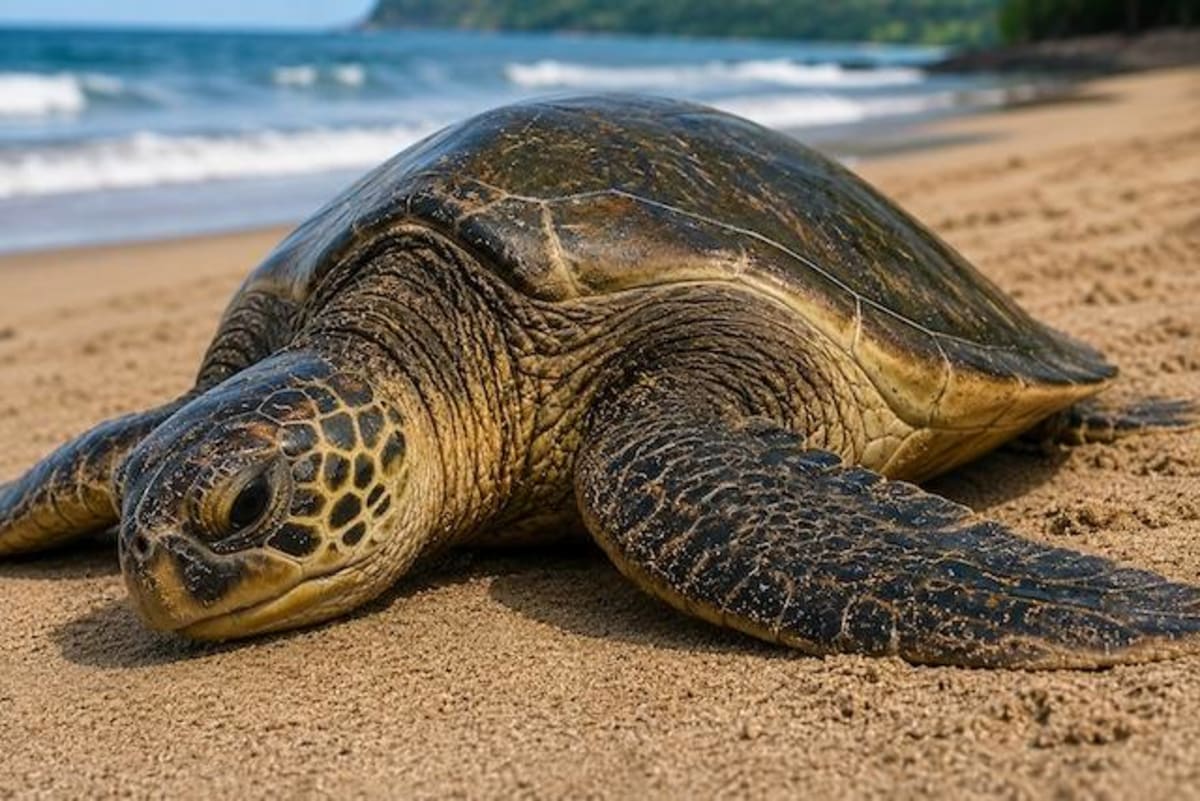
After 50 years of decline from hunting, habitat destruction, and fishing accidents, these gentle marine giants have rebounded by nearly 30 percent since the 1970s. In many regions, they've been removed from endangered species lists entirely.
The turnaround started when governments, scientists, and volunteers joined forces in the 1970s to protect the beaches where female turtles return to nest. Laws banned hunting and egg collection, while protected marine areas gave turtles safe spaces to feed, migrate, and reproduce.
Beach protection made all the difference. Female green sea turtles instinctively return to their birthplace to lay eggs, so safeguarding these nesting sites from development, artificial lighting, and human traffic dramatically improved hatchling survival rates.
Fishing practices evolved too. Turtle Excluder Devices, or TEDs, became standard equipment in shrimp nets, allowing accidentally caught turtles to escape before drowning. This simple innovation slashed turtle deaths in commercial fishing operations.
Public education campaigns encouraged people to reduce plastic pollution and support ocean health. In Hawaii, regulations now protect turtles so strictly that getting within 10 feet can result in fines up to $10,500.
The results speak for themselves. Beaches that once welcomed only a handful of nesting turtles now host hundreds or thousands each season. Some nesting colonies have seen even greater gains than the 30 percent global average.
The Ripple Effect
The green sea turtle recovery isn't just good news for one species. It demonstrates that comprehensive conservation strategies actually work when communities commit to them long term.
Protected marine areas benefit entire ocean ecosystems, not just turtles. Healthier turtle populations indicate cleaner oceans, safer beaches, and more balanced coastal environments that support countless other species.
The success has inspired similar efforts for other endangered sea turtles and marine life. When people see tangible results from conservation work, they invest more energy and resources into protecting what remains.
Young researchers entering marine biology today can study thriving turtle populations instead of documenting their decline. That shift in perspective matters for the next generation of ocean protectors.
Half a century of patient work has brought these ancient mariners back from the edge.
Based on reporting by Google News - Conservation Success
This story was written by BrightWire based on verified news reports.
Spread the positivity!
Share this good news with someone who needs it