Green Sea Turtles Recover 30% Since 1970s Protection Laws
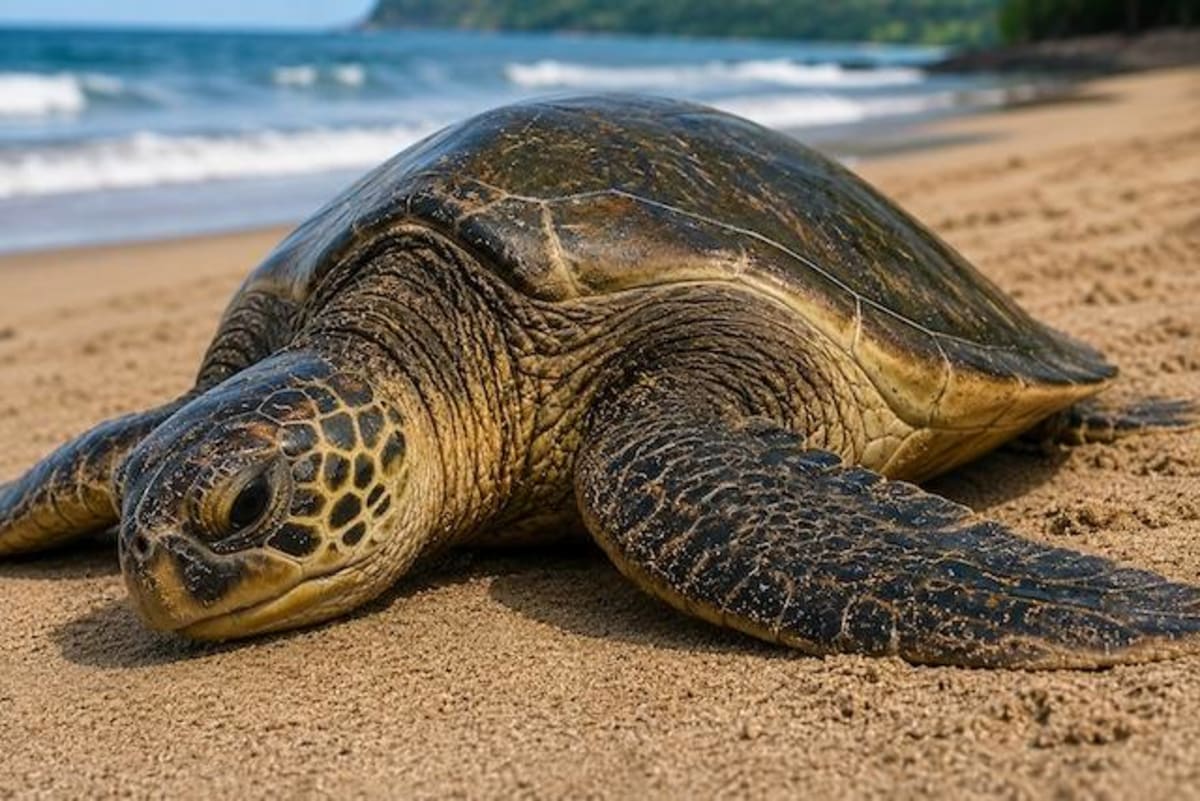
After decades on the endangered species list, green sea turtles are making a stunning comeback thanks to beach protection, fishing reforms, and global conservation efforts. Their 30% population increase proves that dedicated action can reverse wildlife decline.
Beaches that once saw only a handful of nesting sea turtles now welcome thousands each year, marking one of conservation's most inspiring turnarounds.
For decades, green sea turtles symbolized the heartbreak of endangered wildlife. Hunting, habitat loss, pollution, and accidental capture in fishing nets pushed these gentle marine reptiles toward extinction across the world's oceans.
Today, conservationists are celebrating a milestone: green sea turtles have been removed from the endangered species list in many regions. Their populations have grown by nearly 30% since the 1970s, with some nesting colonies showing even bigger gains.
The recovery required patience and teamwork. Starting in the 1970s, governments, scientists, conservation groups, and volunteers joined forces to protect sea turtle nesting beaches and feeding grounds.
Laws banned hunting and egg collection. Protected marine areas gave turtles safer places to feed, migrate, and reproduce. Hawaii now enforces fines up to $10,500 for approaching within 10 feet of a sea turtle.
Protecting nesting sites proved critical to recovery. Female green sea turtles return to the same beaches where they hatched to lay their own eggs, so safeguarding these shores from development, artificial lighting, and human disturbance boosted hatchling survival rates dramatically.
Fishing practices evolved too. Turtle Excluder Devices, or TEDs, became standard equipment in shrimp nets, allowing accidentally caught turtles to escape and slashing turtle deaths.
Public education campaigns encouraged people to reduce plastic pollution and support ocean health. Communities embraced their role in protecting these ancient mariners.
The Ripple Effect
The green sea turtle's comeback shows what happens when science meets public support and sustained action. Their recovery benefits entire ocean ecosystems, since healthy turtle populations help maintain seagrass beds and coral reefs that countless other species depend on.
The success also energizes conservation efforts for other endangered marine life. When people see proof that protection works, they invest more hope and resources into saving other threatened species.
This rare environmental victory proves that with commitment and collaboration, we can reverse even severe wildlife declines.
Based on reporting by Google News - Conservation Success
This story was written by BrightWire based on verified news reports.
Spread the positivity!
Share this good news with someone who needs it