Greenland Icebergs Creating New Ocean Habitats
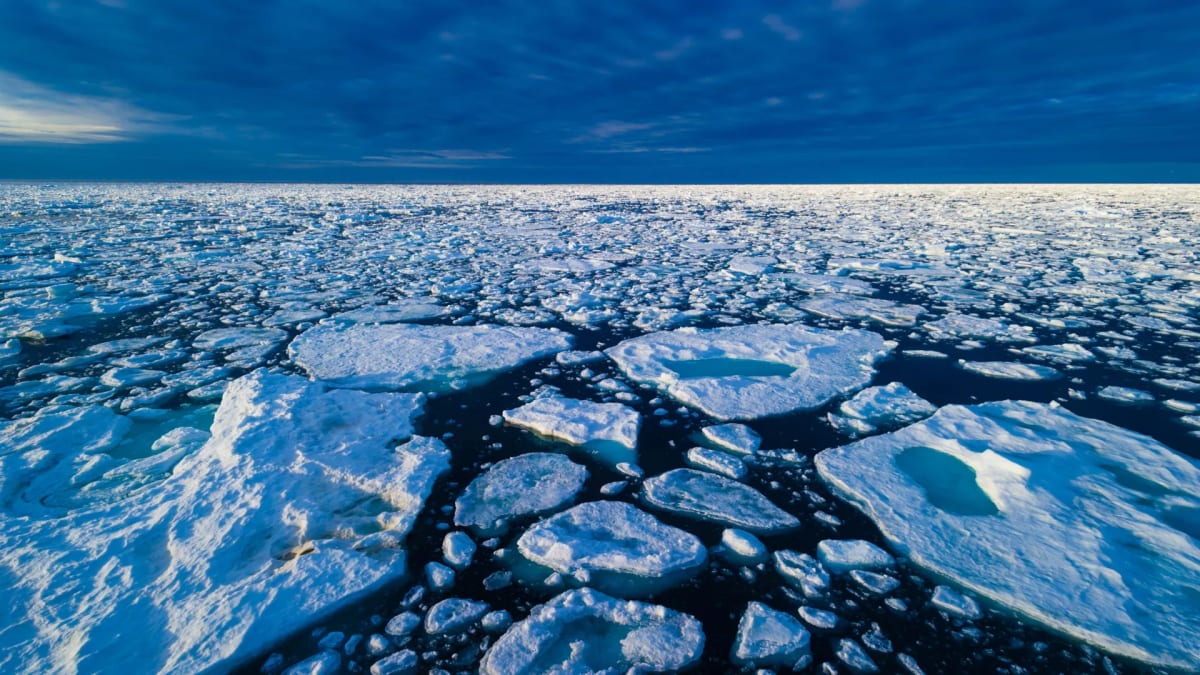
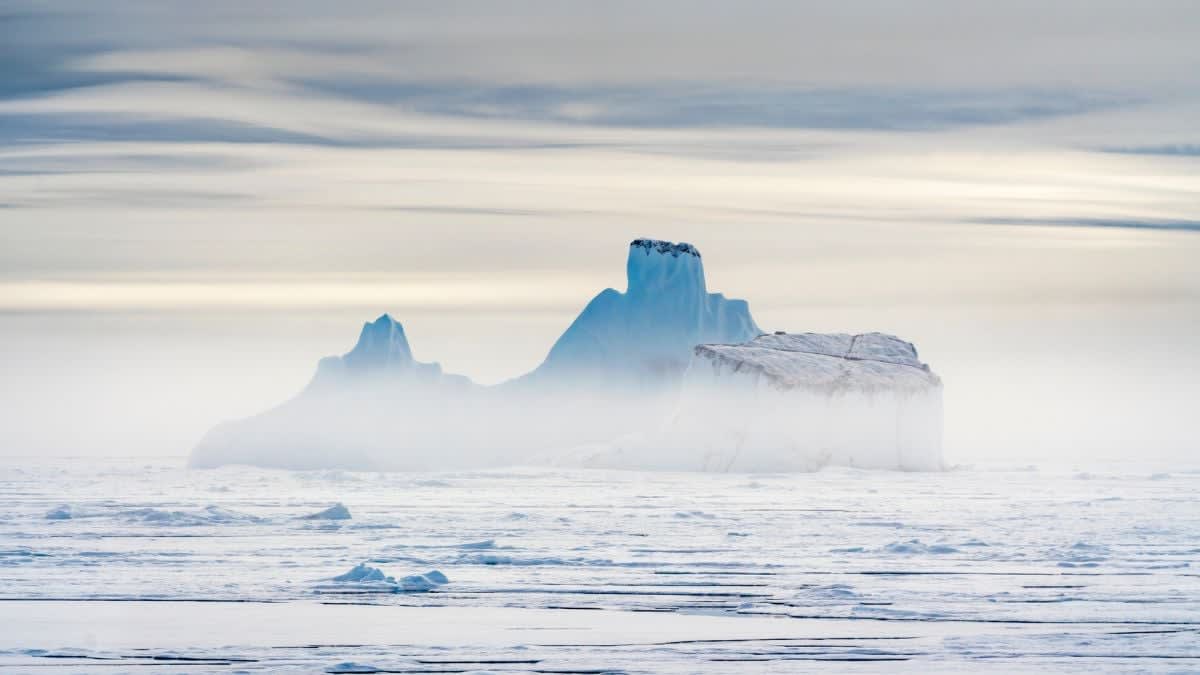
Melting glaciers are releasing four times more icebergs than 25 years ago, and scientists just discovered they're building thriving deep-sea ecosystems. These floating ice giants are carrying rocks and sediments hundreds of miles out to sea, creating new homes for marine life on the ocean floor.
Climate change is transforming the Arctic in an unexpected way that scientists never anticipated. Greenland's melting glaciers are releasing four times more icebergs than they did 25 years ago, and these massive ice blocks are accidentally creating brand new habitats for deep-sea creatures.
Researchers from Denmark's Technical University discovered this surprising ecosystem shift while studying the Fram Strait between Greenland and Svalbard. Since 2000, iceberg traffic in this region has quadrupled, with groups of five or more icebergs increasing by 4.5 percent every decade.
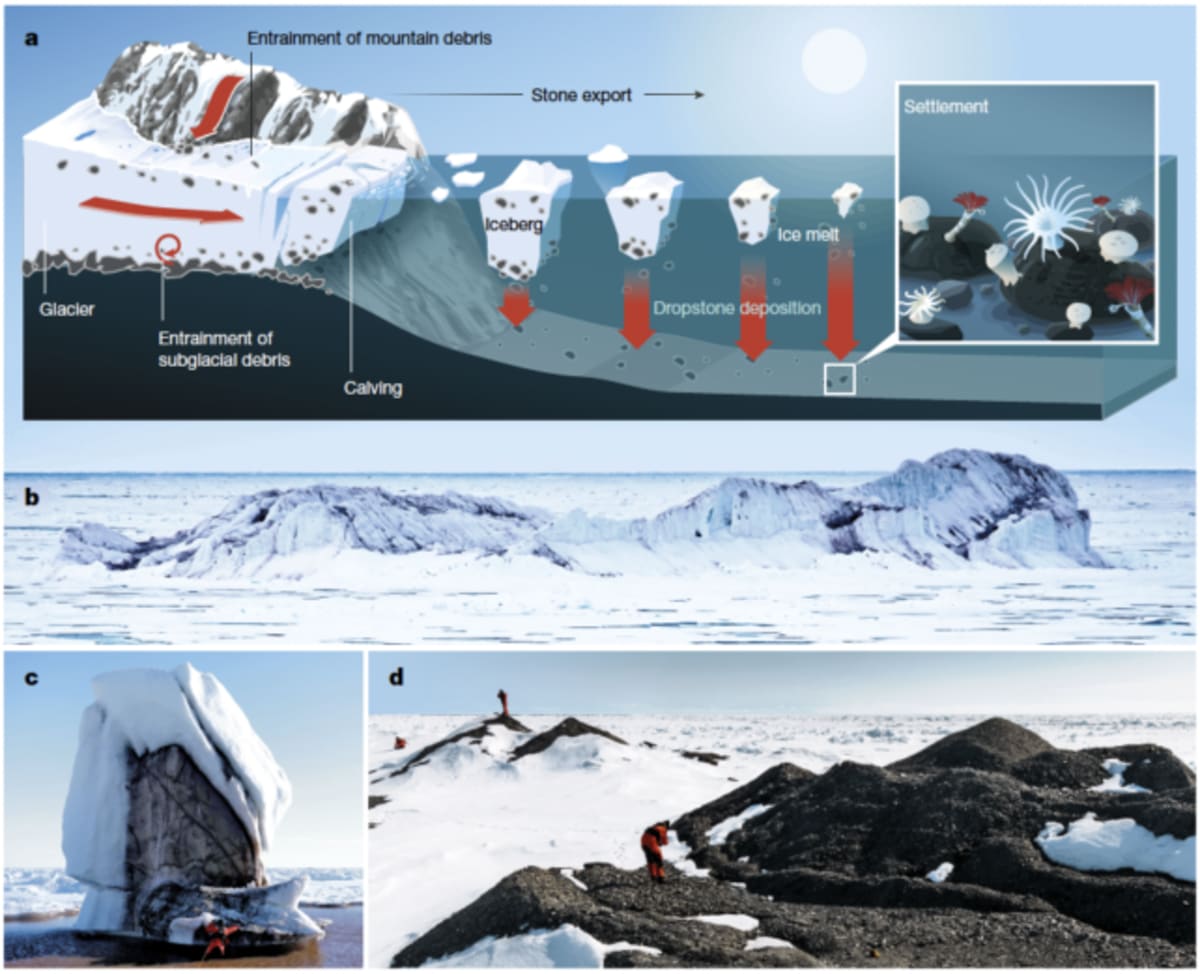
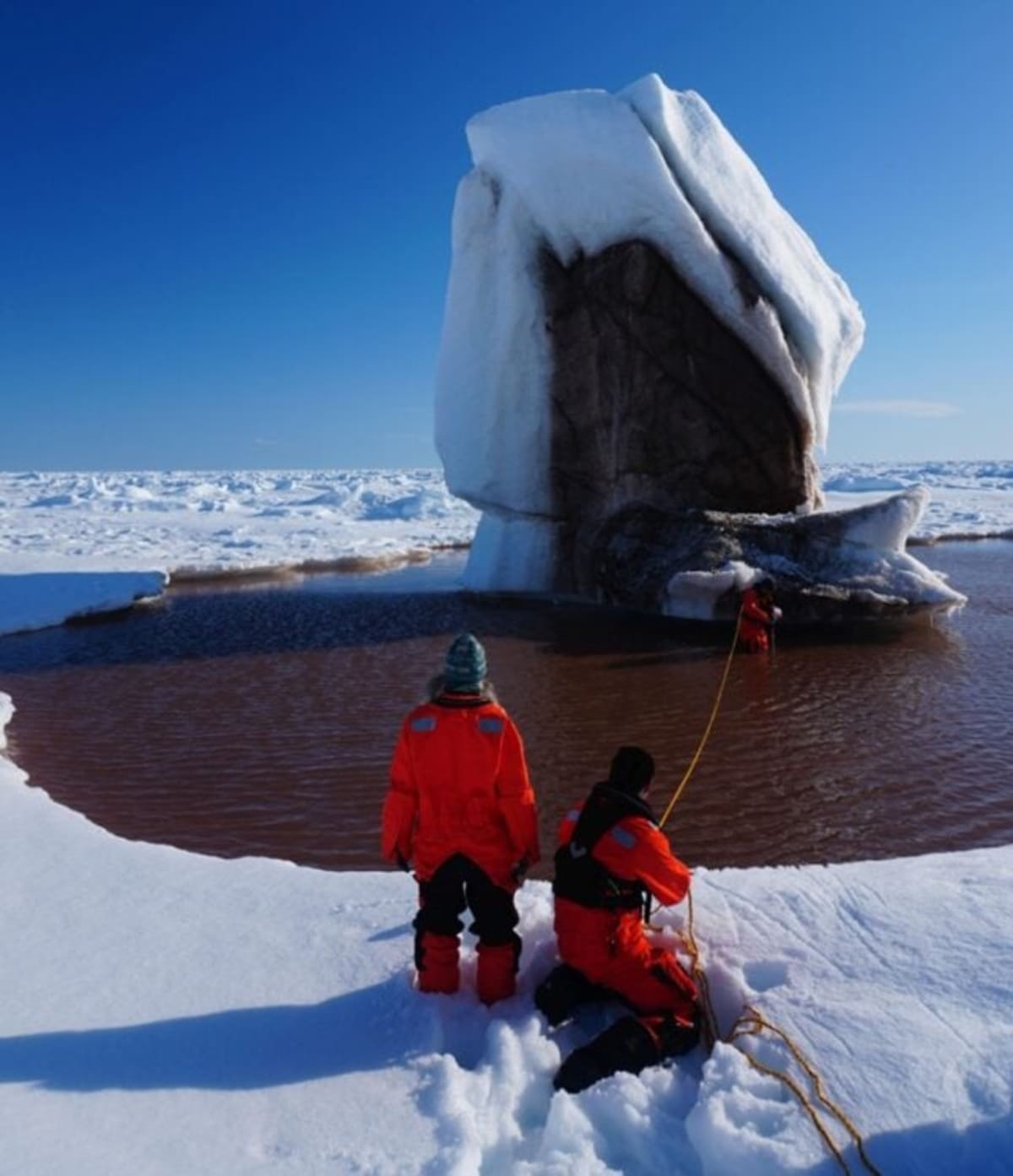
Here's where nature gets creative. As these icebergs break off from glaciers, they carry rocks and sediments with them on a journey spanning hundreds of miles. When the ice finally melts and sinks, these stones settle on the deep ocean floor, providing hard surfaces where marine organisms can anchor and thrive.
"Our results indicate a direct, climate-driven connection between glacier change at the surface, amplified iceberg traffic, and the increased availability of hard-bottom habitats on the deep seafloor," the research team reported in the journal Nature. For creatures that need solid ground in an otherwise muddy seabed, these iceberg-delivered rocks are like finding prime real estate.
The researchers observed this phenomenon firsthand during a 2025 expedition aboard the icebreaker Polarstern. They collected samples from areas where icebergs had recently deposited their rocky cargo, witnessing the early stages of new marine communities forming around these stones.
The Bright Side
While rising sea levels remain a serious concern, this discovery reveals nature's remarkable ability to adapt and create opportunity from change. These accidental habitat deliveries are establishing entirely new ecosystems in areas of the deep ocean that previously couldn't support certain types of marine life.
The rocky surfaces transported by icebergs provide attachment points for sponges, corals, and other organisms that filter nutrients from the water. These foundation species then attract fish, crabs, and other creatures, creating complex food webs in places that were once barren seafloor.
Lead author Shfaqat Abbas Khan noted that the implications extend far beyond what researchers initially expected. "The new study shows that the consequences do not stop at rising sea levels, but directly affect deep-sea ecosystems far from the glaciers," he explained.
The findings also have practical implications for Arctic shipping routes, which are opening up as ice melts. Understanding iceberg patterns helps vessels navigate safely while minimizing disruption to these emerging ecosystems.
This research reminds us that even in the face of climate challenges, ocean life finds ways to adapt and flourish in unexpected places.
More Images

Based on reporting by Google News - Scientists Discover
This story was written by BrightWire based on verified news reports.
Spread the positivity!
Share this good news with someone who needs it