Greenland Sharks Live 400 Years With Damaged Hearts
Scientists discovered that Greenland sharks survive for centuries despite hearts riddled with aging damage that would devastate other animals. Their secret resilience could unlock new ways to protect human hearts from aging.
Imagine living for 400 years with a heart that looks completely worn out. That's exactly what Greenland sharks pull off, and scientists just figured out how remarkable that really is.
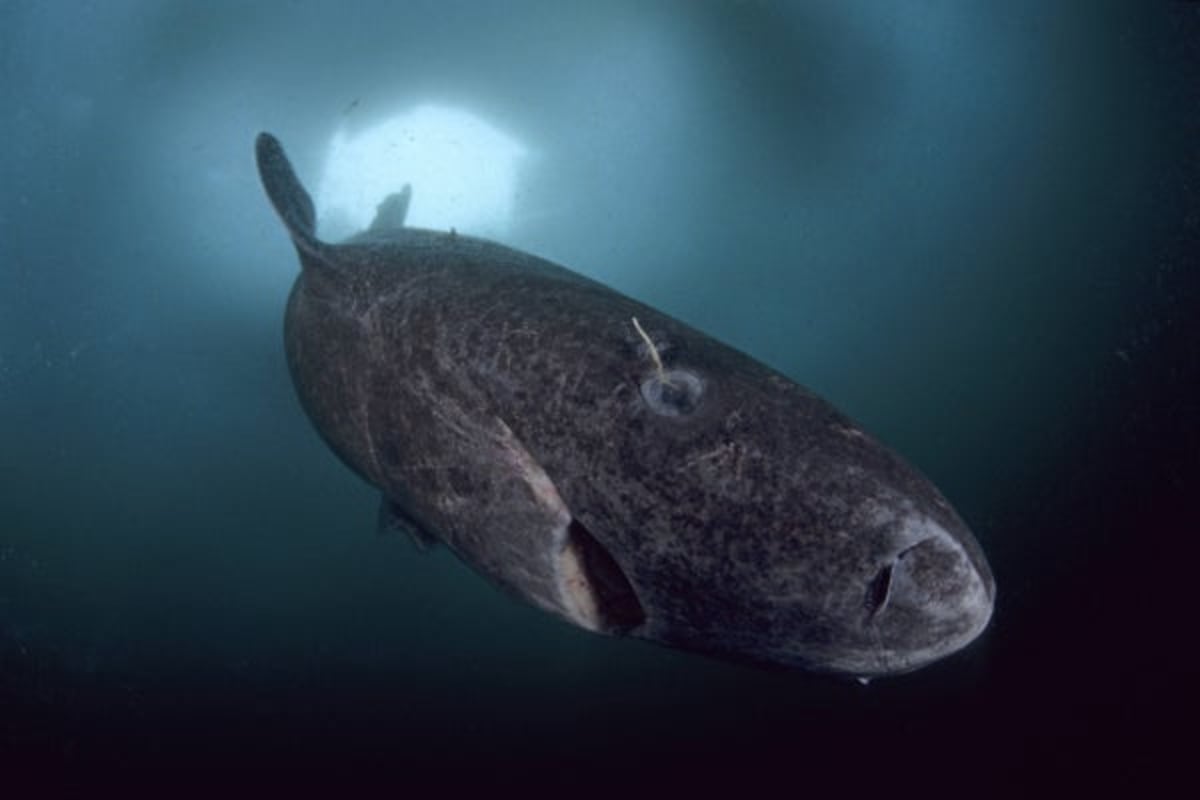
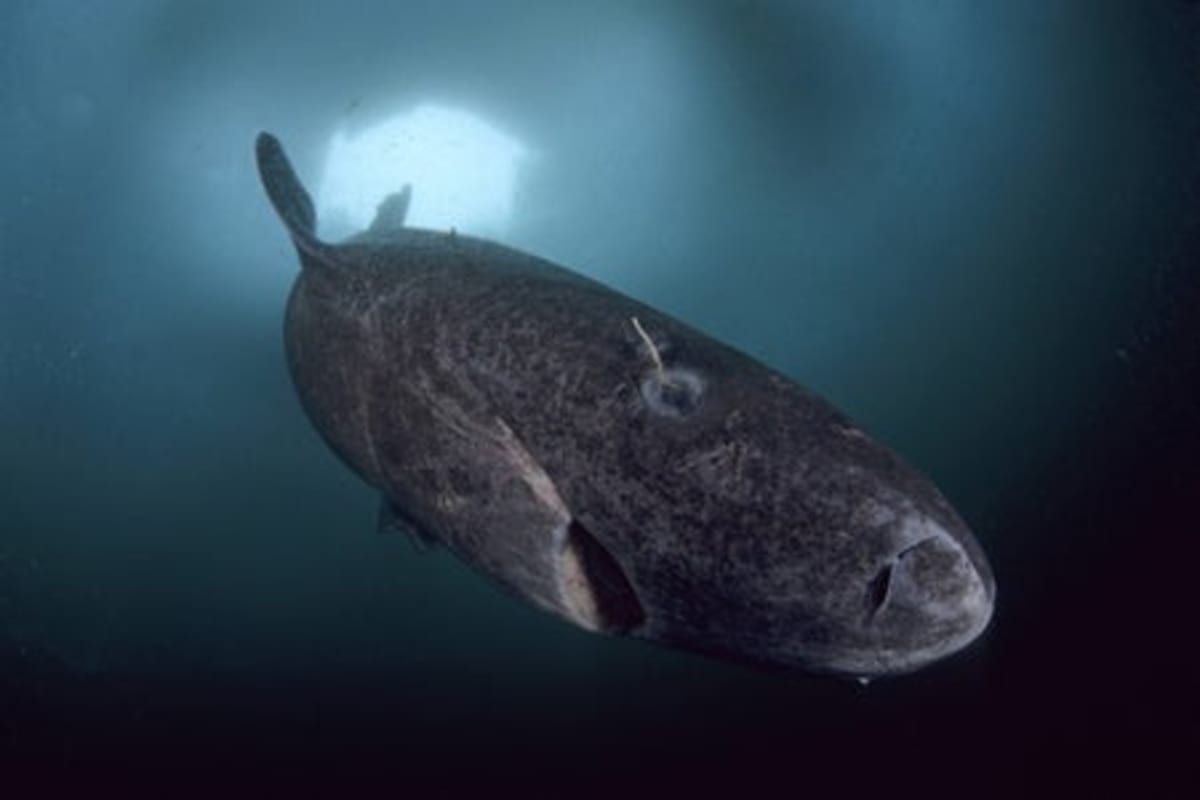
These massive sharks don't just live long lives. They live them in slow motion. Their hearts beat once every 12 seconds, they swim at barely a foot per second, and they don't even reach adulthood until age 150. Some scientists believe they can live past 400 years old, making them Earth's longest-living vertebrates.
Researcher Alessandro Cellerino and his team at Italy's Superior Normal School wanted to know how a shark's heart could pump for centuries without breaking down. They examined heart tissue from Greenland sharks between 100 and 155 years old, comparing them to shorter-lived shark species and fish.
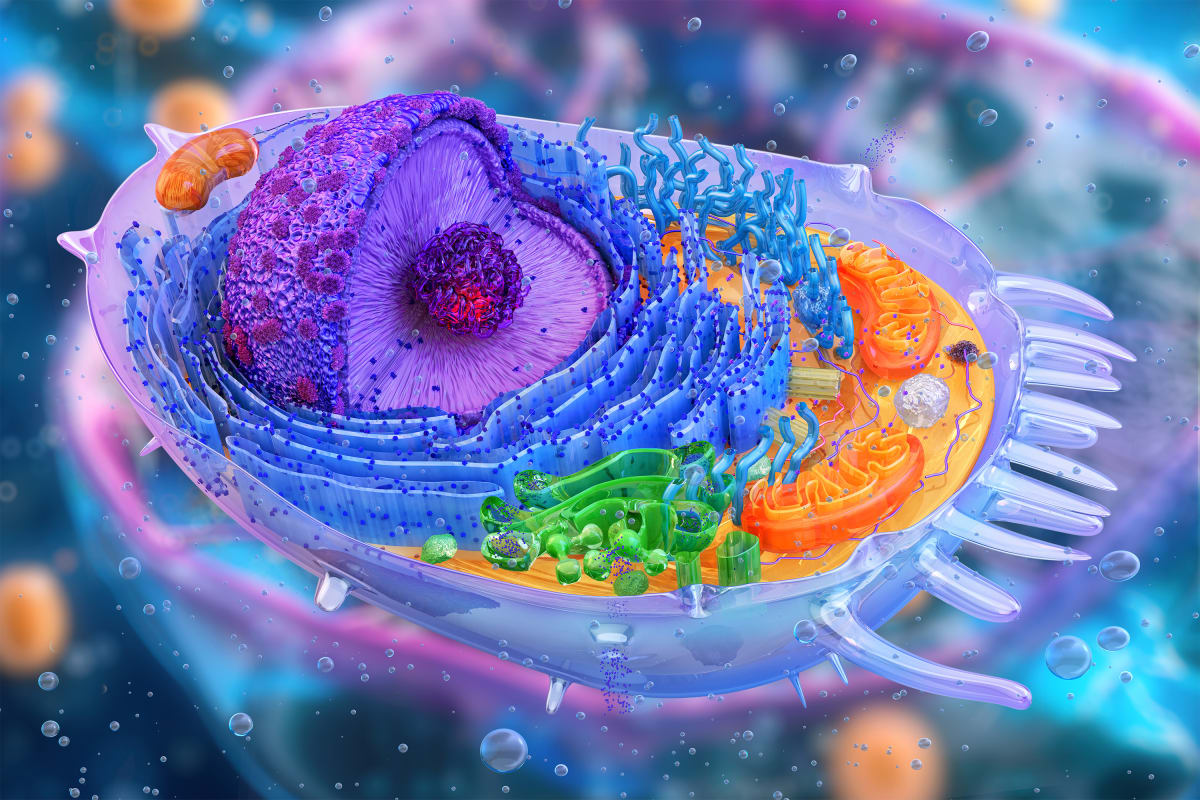
What they found shocked them. The Greenland sharks had terrible-looking hearts. Their heart tissue showed severe scarring that normally makes pumping blood harder. Inside the heart cells, they discovered massive buildups of cellular junk that happens when damaged parts don't break down properly. The energy-producing parts of the cells were damaged, too.
Every sign pointed to hearts that shouldn't work well. Yet these same sharks were thriving in Greenland waters, successfully hunting and living active lives. The team collected some specimens through longline fishing, which means the sharks were alert enough to find bait and strong enough to take it.
The scientists think the secret might lie in the sharks' unusually low blood pressure and unique blood vessel structure. These features could keep their heart muscle flexible and functional despite all the cellular damage piling up inside.
Why This Inspires
This discovery opens a window into one of nature's greatest aging mysteries. While the sharks clearly experience cellular aging just like other animals, they've somehow evolved to keep going anyway.
The research team believes understanding how Greenland sharks handle heart aging could lead to breakthroughs in human medicine. If scientists can figure out what protects these sharks from the effects of damaged heart tissue, they might develop new treatments to help human hearts stay healthier longer.
The sharks already have genomes packed with genes that fight inflammation, suppress tumors, and resist cellular damage. Now researchers know their hearts deserve just as much attention as their DNA. Each discovery brings us closer to understanding not just how these ancient animals survive, but how we might apply those lessons to extend healthy human lifespans.
These patient sharks, living their slow lives in cold Arctic waters, might just hold the key to healthier aging for all of us.
More Images


Based on reporting by Scientific American
This story was written by BrightWire based on verified news reports.
Spread the positivity!
Share this good news with someone who needs it