Greenland's Seaweed Locks Carbon Deep in the Ocean
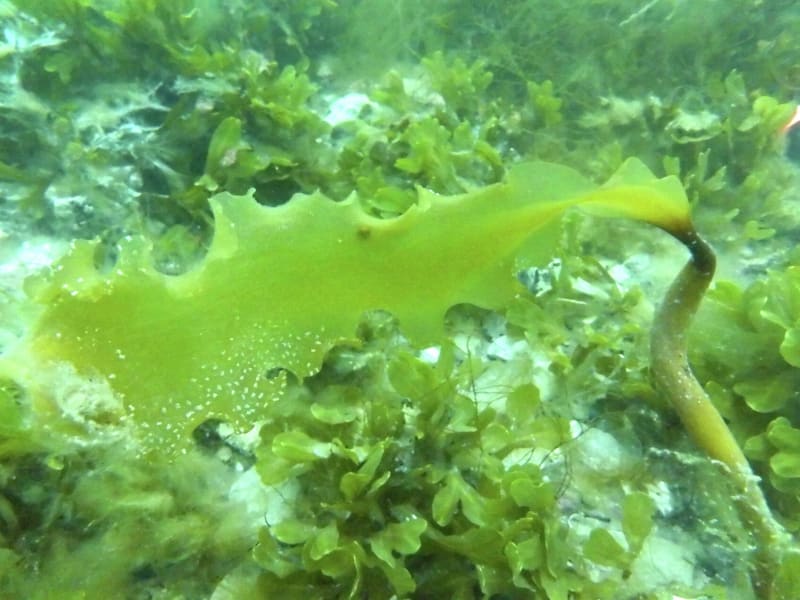
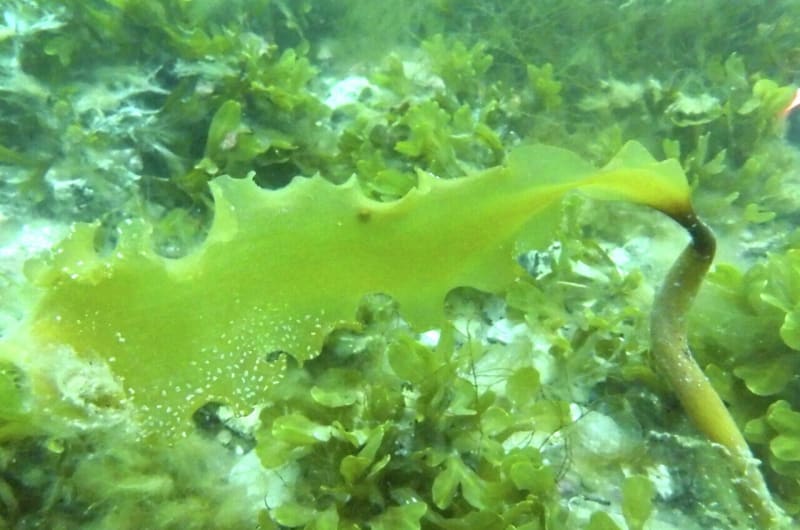
Scientists just confirmed how seaweed from Greenland's coast travels hundreds of miles offshore and sinks deep into the ocean, locking away carbon for at least a century. This natural climate helper might be storing millions of tons of carbon every year without us even realizing it.
Greenland's floating seaweed is secretly fighting climate change, and scientists finally have proof of how it works.
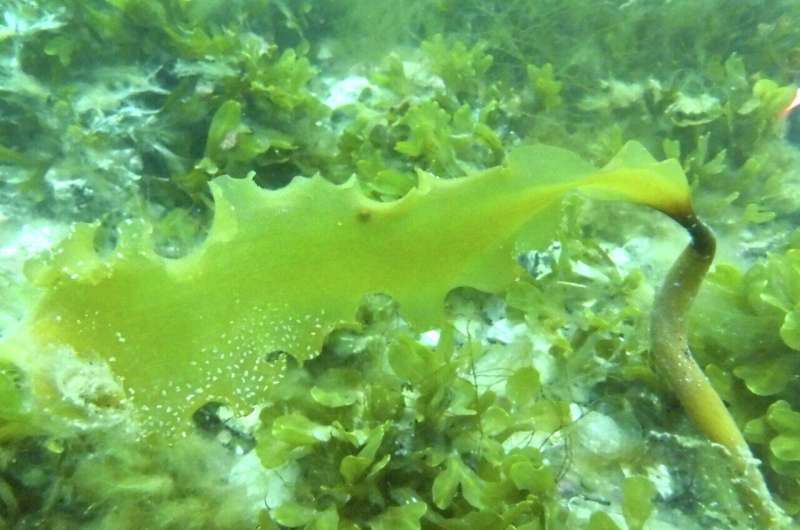
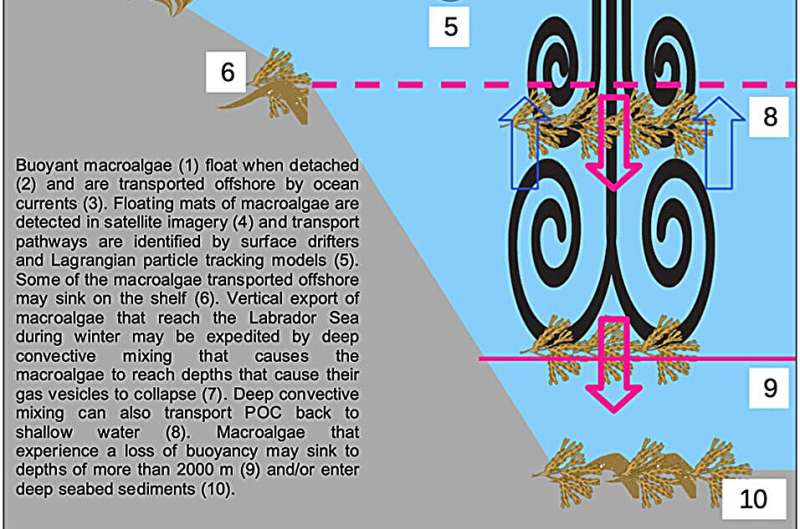
An international team of researchers has traced the complete journey of seaweed from Greenland's coastal waters to the deep ocean floor, where it stores carbon for at least 100 years. Using satellites, ocean drifters, and advanced computer models, they discovered that currents carry massive mats of kelp and other seaweeds hundreds of miles offshore before they sink into the depths.
The numbers are striking. Scientists estimate that globally, seaweed may be locking away between 4 and 44 million metric tons of carbon each year in the deep ocean. That's happening naturally, right now, as part of Earth's own climate regulation system.
Here's how nature pulls it off. Ocean currents sweep detached seaweed from coastal zones into deeper waters over 12 to 64 days, often before the plants even start breaking down. The researchers found nearly 8,000 floating seaweed patches across the Greenland shelf and Labrador Sea by analyzing over 1,300 satellite images.
The real magic happens in winter. Cold surface waters trigger powerful vertical mixing that drags floating seaweed far below the surface. Under intense pressure in the deep ocean, the seaweed's buoyancy structures collapse and it sinks, carrying all that captured carbon with it.
Dr. Daniel Carlson from Germany's Leibniz Institute for Baltic Sea Research led the study, which brought together scientists from eight countries. The breakthrough was only possible because of free satellite data from Europe's Copernicus program and ocean tracking information from NOAA's Global Drifter Program.
Professor Ana Queirós from Plymouth Marine Laboratory calls it a "smoking gun" showing that seaweed carbon really does end up in deep sea storage. She describes it as a natural conveyor belt connecting thriving coastal kelp forests with the ocean's carbon vault.
The Bright Side: This discovery means Earth already has a powerful natural tool for fighting climate change. While we work on reducing emissions, coastal seaweed forests are quietly doing their part by pulling carbon from the atmosphere and storing it in the deep ocean. The more we understand these natural systems, the better we can protect and potentially enhance them. Every kelp forest along a rocky coastline isn't just a marine habitat; it's part of a planetary climate defense system that's been working for millions of years.
This research gives us one more reason to protect coastal ecosystems and appreciate the incredible ways nature keeps our planet in balance.
More Images
Based on reporting by Phys.org
This story was written by BrightWire based on verified news reports.
Spread the positivity!
Share this good news with someone who needs it