Griffon Vultures Soar Again Over Sardinia After 40 Years
Majestic griffon vultures have returned to Sardinia's skies after disappearing four decades ago, marking one of Italy's most remarkable wildlife comebacks. The birds of prey are now breeding successfully across the Mediterranean island.
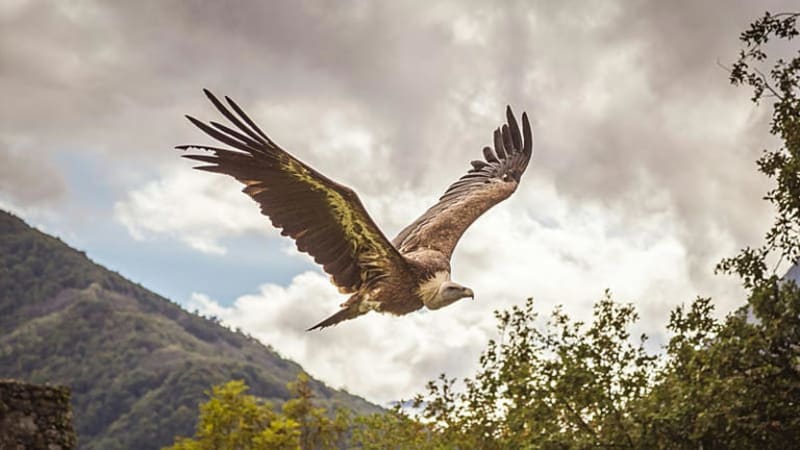
The skies over Sardinia are alive again with the massive wings of griffon vultures, birds that vanished from the Italian island 40 years ago but now call it home once more.
These impressive raptors, with wingspans reaching nearly 10 feet, disappeared from Sardinia in the 1980s due to poisoning, hunting, and habitat loss. Today, conservationists are celebrating their return as one of Italy's greatest environmental victories.
The comeback began with careful reintroduction programs that released captive-bred vultures into protected areas across the island. Scientists worked with local farmers and communities to create safe feeding sites and eliminate the use of poisoned baits that had decimated the population decades earlier.
The vultures didn't just survive. They thrived, establishing breeding colonies and raising chicks in the wild for the first time in generations.
These giant scavengers play a crucial role in Sardinia's ecosystem by cleaning up animal carcasses that would otherwise spread disease. A single griffon vulture can consume more than two pounds of carrion in one sitting, making them nature's most efficient cleanup crew.
Local communities have embraced the returning birds, shifting from viewing them as threats to celebrating them as symbols of Sardinia's wild heritage. Farmers now report vulture sightings with pride, and eco-tourism centered on vulture watching has brought new economic opportunities to rural areas.
The Ripple Effect
The success in Sardinia is inspiring similar reintroduction programs across the Mediterranean. Conservation teams in Sicily and mainland Italy are studying Sardinia's approach to bring back their own lost vulture populations.
The project also demonstrated how community involvement makes or breaks wildlife recovery. By addressing farmers' concerns and creating economic incentives for protecting the birds, conservationists turned potential opponents into passionate allies.
Young Sardinians now grow up seeing vultures as part of their natural landscape, a sight their parents and grandparents never experienced. School programs bring children to observation points where they watch the massive birds soar on thermal currents, connecting a new generation to their island's biodiversity.
The griffon vulture's return proves that even species pushed to local extinction can recover when people commit to making space for wildlife.
Based on reporting by Google News - Conservation Success
This story was written by BrightWire based on verified news reports.
Spread the positivity!
Share this good news with someone who needs it