Groundbreaking Citizen Science Project Helps Unlock Echidna Mysteries in Australia
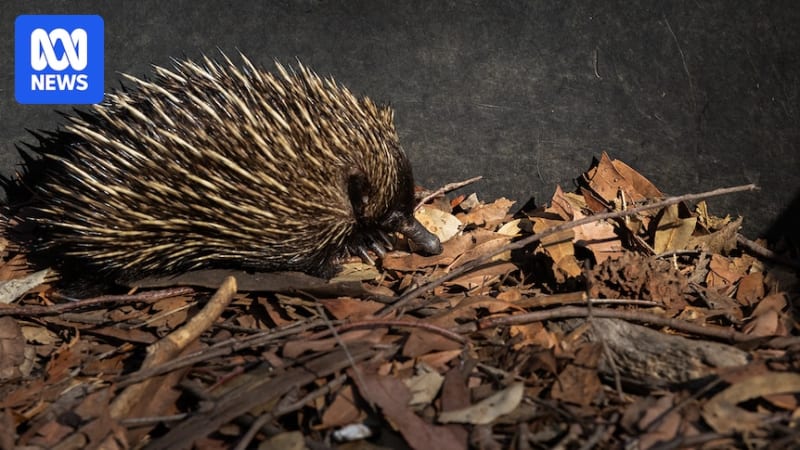
An exciting new citizen science initiative is bringing Australians together to learn about and protect one of their most beloved animals—the echidna. The EchidnaWatch program is empowering communities to contribute to vital conservation research while discovering the fascinating secrets of these unique egg-laying mammals.
One of Australia's most iconic animals is finally getting the scientific attention it deserves, thanks to an innovative community-driven research project that's bringing people closer to nature while advancing conservation science.
Dr. Kate Dutton-Regester, an ecologist at the University of Queensland, is leading an inspiring first-of-its-kind population survey of echidnas in south-east Queensland. Her groundbreaking work combines cutting-edge research with community engagement, creating opportunities for everyday Australians to become citizen scientists and contribute to protecting these remarkable creatures.
"They're just so unique," Dr. Dutton-Regester enthuses about her research subjects, which have become her "Roman Empire"—meaning she's constantly thinking about them. And it's easy to understand why. Echidnas are among only two mammals on Earth that lay eggs, they develop temporary pouches only when pregnant, and they possess an array of fascinating behaviors that scientists are only beginning to understand.
The EchidnaWatch program, developed in partnership with the Wildlife Preservation Society of Queensland, is turning knowledge gaps into opportunities for community involvement and education. Through a user-friendly app and website, anyone can report echidna sightings, tracks, burrows, and other signs, helping researchers build the first comprehensive baseline of echidna populations in the region.
What makes this initiative particularly special is how it's bringing people together around a shared sense of wonder. Dr. Dutton-Regester regularly leads public field trips and workshops across south-east Queensland, where participants learn to identify echidna burrows, scats, and diggings. During a recent search in Kimberley Forest at Shailer Park, attendees were thrilled to gain new skills and knowledge about their spiky neighbors.
"I want to know can I see one again and what can I do as a local to help out down the track," said participant Belinda Neal, capturing the enthusiasm that the program generates. Even ecology professionals like Chris Urbanek are discovering surprising new facts, such as how echidnas burrow up to a meter underground to regulate their body temperature.
The research has gained valuable support from Logan City Council, demonstrating how local governments are investing in meaningful conservation initiatives. The data collected will help identify where echidnas are thriving and where they may need additional protection, such as wildlife crossing signage in areas with vehicle traffic.
Dr. Dutton-Regester's work represents a beautiful example of how modern conservation can unite communities, advance scientific knowledge, and protect Australia's precious wildlife heritage. By establishing baseline population data now, researchers are taking proactive steps to ensure echidnas continue to waddle through Australian landscapes for generations to come.
The project celebrates echidnas as Australia's most widely distributed native mammal while ensuring this beloved species receives the monitoring and protection it needs to thrive in a changing world. Every sighting reported and every workshop attended represents another step toward securing a brighter future for these extraordinary animals.
Based on reporting by ABC Australia
This story was written by BrightWire based on verified news reports.
Spread the positivity! 🌟
Share this good news with someone who needs it
More Good News
 🚀 Innovation
Citizen Scientists Help Rediscover 'Extinct' Beetle Using Free Phone App
 🚀 Innovation
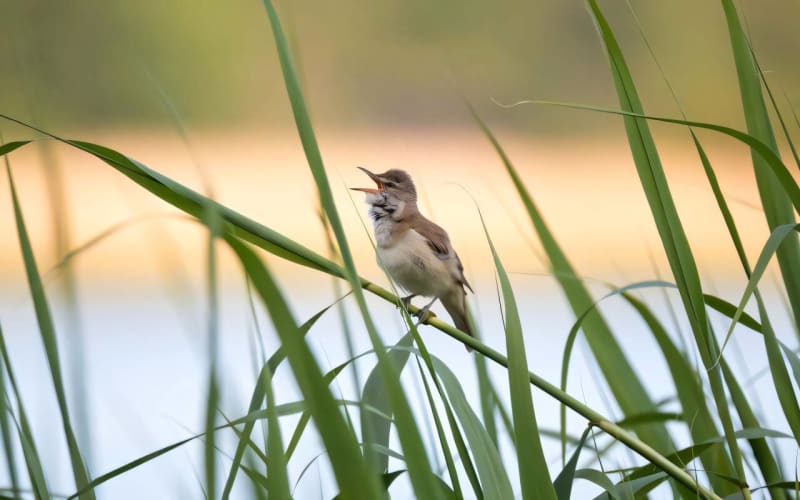
Revolutionary AI App Empowers Everyone to Become Bird Conservation Champions
 🚀 Innovation
Australian Researchers Create Game-Changing Tool to Protect Water From Toxic Chemicals
Joke of the Day
Why did the librarian get kicked out of class?
Explore Categories
Quote of the Day
"Do not go where the path may lead, go instead where there is no path and leave a trail."
— Ralph Waldo Emerson