Groundhogs Help Scientists Fight Disease and Heal Ecosystems
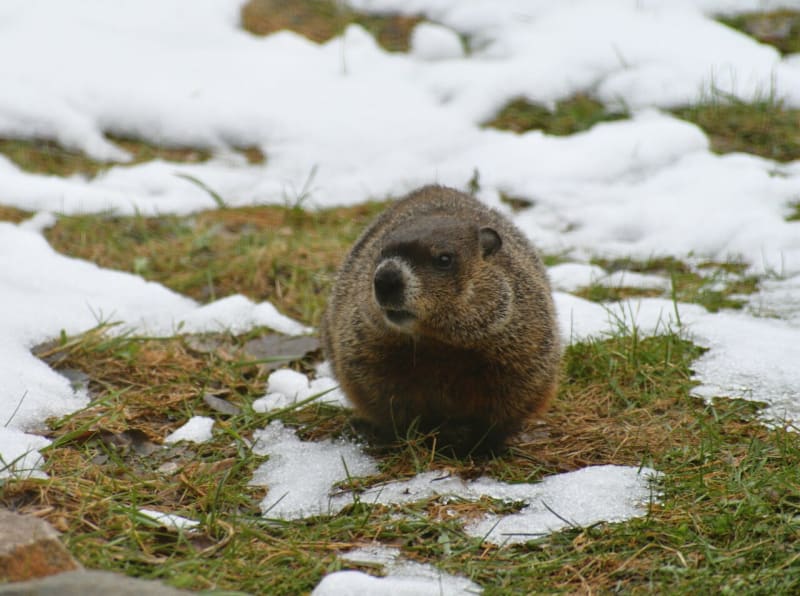
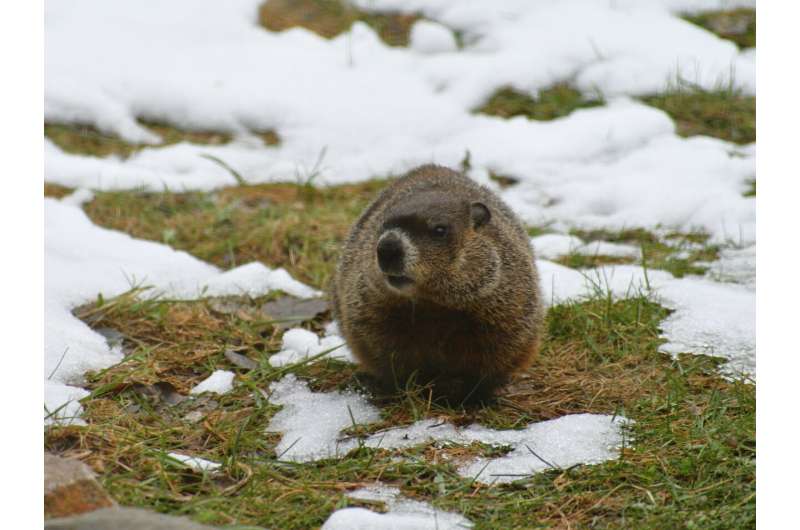
Those chubby groundhogs doing weather predictions? They're actually teaching scientists how to treat human diseases and rebuilding habitats for dozens of species. New research reveals these master hibernators hold secrets to fighting obesity, liver cancer, and even extending human lifespans.
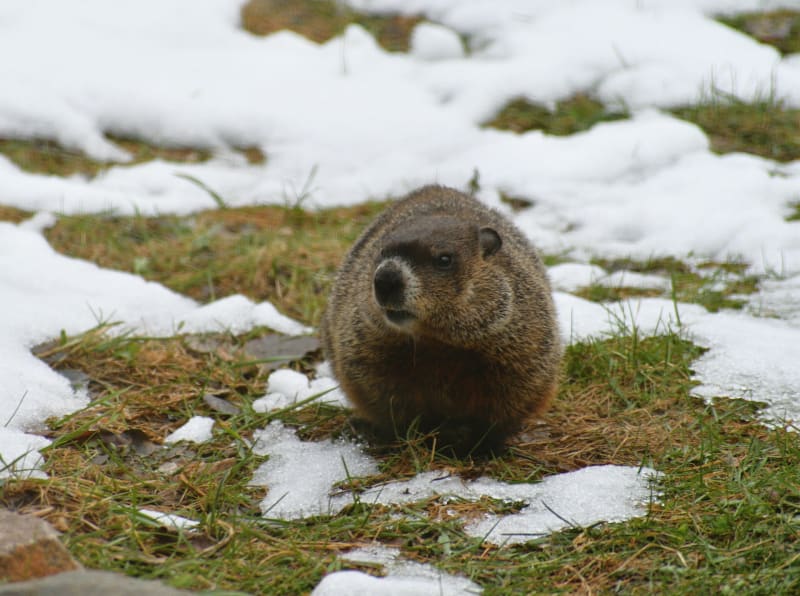
Groundhogs may be terrible weather forecasters, but scientists say these pudgy architects are solving some of medicine's biggest mysteries while quietly rebuilding ecosystems across North America.
The largest ground squirrels on the continent, groundhogs are true hibernators who drop their heart rate from 200 beats per minute to just nine during their long winter sleep. Their body temperature plummets from 104 degrees Fahrenheit to a chilly 41 degrees, yet they wake up healthy months later.
That biological superpower has researchers excited. Studies on groundhog hibernation are now helping scientists develop treatments for obesity, cardiovascular disease, hepatitis, liver cancer, and osteoporosis. The research may even advance organ transplantation techniques, since groundhogs essentially pause aging for up to nine months each year.
To survive those marathon naps, groundhogs must double their weight each summer by carefully selecting the most nutritious plants. They feast on legumes, flowers, grains, and grasses, and despite their bulk, they can climb trees to reach buds and fruit.
All that digging and foraging creates unexpected benefits. As groundhogs search for food and dig burrows, they scatter seeds and create flower-filled meadows. In places like Mongolia, marmots (groundhog cousins) are keystone species whose presence boosts plant diversity and attracts more predators, strengthening the entire food web.
The Ripple Effect
The real magic happens underground. Abandoned groundhog burrows become temperature and humidity controlled homes for dozens of species, from frogs to foxes and snakes to owls. These excavations transform landscapes, providing shelter where none existed before.
Groundhogs also serve as a vital food source, moving energy from plants up the food chain to hawks, eagles, weasels, wolves, and recovering populations of bobcats. In the Midwest, invasive coyotes now help control groundhog numbers that exploded when their natural predators disappeared and farms became endless buffets.
Because groundhogs breed quickly, conservation groups can reintroduce them to former habitats where populations declined from overhunting. These reintroductions restore ecosystem balance, benefiting countless other species.
Scientists continue studying how groundhogs time their emergence perfectly so pups are born just as spring plants appear, maximizing fat-building time before the next hibernation. Understanding these biological clocks could unlock more medical breakthroughs.
From backyard burrows to research labs, groundhogs are proving their worth extends far beyond February 2nd predictions.
More Images


Based on reporting by Phys.org
This story was written by BrightWire based on verified news reports.
Spread the positivity!
Share this good news with someone who needs it