Grow Vegetables Using 80% Less Water With Aquaponics
Urban farmers across India are transforming backyards and terraces into thriving farms that grow fresh vegetables and fish together while saving massive amounts of water. This soil-free system called aquaponics could change how cities feed themselves.
Imagine growing fresh lettuce, strawberries, and raising fish in your backyard using just 20% of the water traditional farming needs. Across India, urban farmers are doing exactly that with aquaponics, a revolutionary farming method that's turning homes into productive farms.
Aquaponics combines fish farming with vegetable growing in one connected system. Fish waste naturally fertilizes the plants, while the plants clean the water for the fish, creating a perfect cycle that needs no chemical fertilizers and barely any water.
Kerala farmer Vijayakumar Narayanan runs his entire aquaponics operation on less than 900 square feet. He earns up to Rs 4 lakh per year growing vegetables and raising fish in the same space where neighbors might park two cars.
The setup is surprisingly simple. Peter Singh in Delhi built a system measuring just 2 feet by 6 feet that grows 180 plants and supports 10 fish. Water pumps circulate nutrients from the fish tank through plant beds and back again, keeping everything alive and thriving.
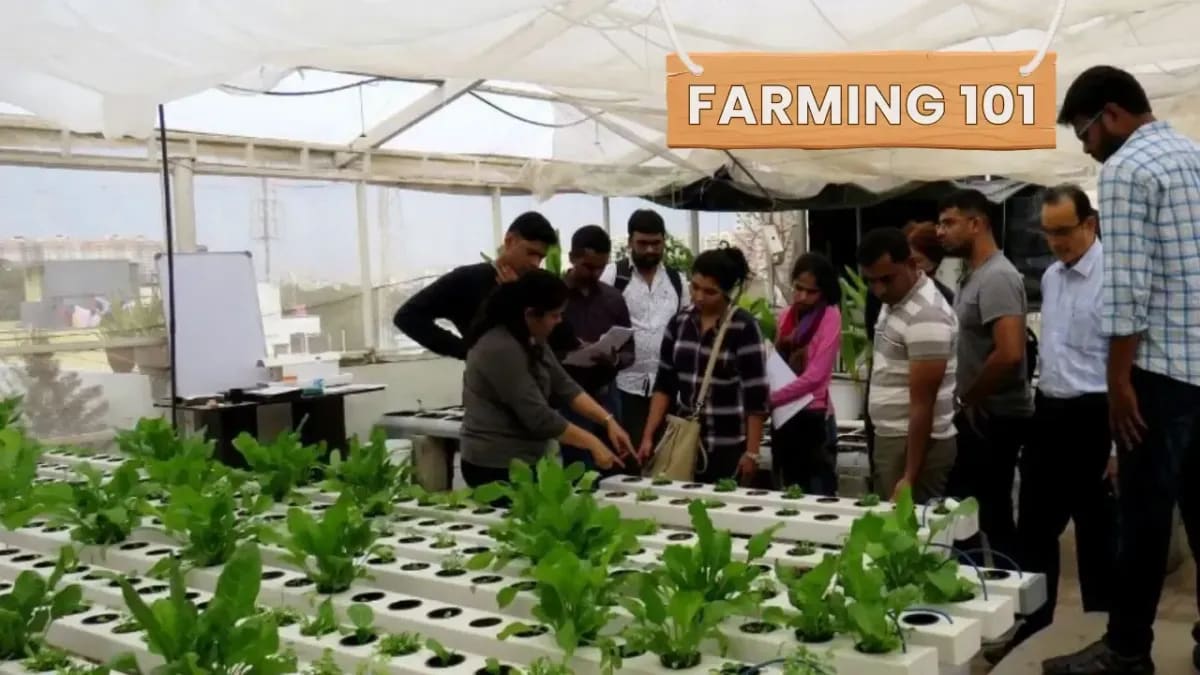
Beginners can start small with hardy fish like tilapia or ornamental goldfish in a basic tank. Mamatha Kamireddy in Bengaluru teaches workshops showing how a 150 square foot system costing around Rs 60,000 can feed a family of five fresh organic produce year-round.
Engineer Shashank Dubey from Vadodara quit his corporate job after discovering he could grow food on his terrace using repurposed drums and cans. He explains that beneficial bacteria convert fish waste into nitrates, the perfect plant fertilizer, making the system almost entirely self-sustaining.
The method works for leafy greens like lettuce and kale at temperatures between 25-30°C. Some farmers even grow strawberries and other specialty crops, opening new income possibilities in small urban spaces.
The Ripple Effect
This farming revolution addresses multiple crises at once. As cities expand and farmland shrinks, aquaponics proves urban spaces can produce fresh food locally. The 80% water savings matter enormously in drought-prone regions where every drop counts.
Families gain access to truly organic vegetables and fresh fish without depending on supply chains or worrying about pesticide residues. The dual income from both crops and fish makes small farms economically viable even on expensive urban land.
Government horticulture departments now offer subsidies for pumps and equipment, recognizing aquaponics as a sustainable solution. Workshop leaders like Mamatha report growing interest from apartment dwellers, retirees, and young professionals eager to grow their own food.
The farmers leading this movement prove you don't need acres of land or rivers of water to feed your family. Sometimes the future of farming fits on a terrace, runs on fish waste, and saves water while growing hope.
More Images
%2Fenglish-betterindia%2Fmedia%2Fmedia_files%2F2025%2F09%2F24%2Ffarming-101-1750923989-2025-09-24-10-47-30.webp)

%2Fenglish-betterindia%2Fmedia%2Fpost_attachments%2Fuploads%2F2025%2F06%2Faquaponics-1-1750920203.jpg)
%2Fenglish-betterindia%2Fmedia%2Fpost_attachments%2Fuploads%2F2025%2F06%2Faquaponics-3-1750922166.jpg)
Based on reporting by The Better India
This story was written by BrightWire based on verified news reports.
Spread the positivity!
Share this good news with someone who needs it