Guatemala Farmers Revive Ancient Maya Pest Solutions
Guatemalan farmers are ditching expensive chemical pesticides for homemade plant mixtures based on ancient Maya knowledge. The natural alternatives cost one-sixth the price and are safer for families and the environment.
In Guatemala's Western Highlands, 6,000 farming families are protecting their crops the way their Maya ancestors did thousands of years ago, and it's working beautifully.
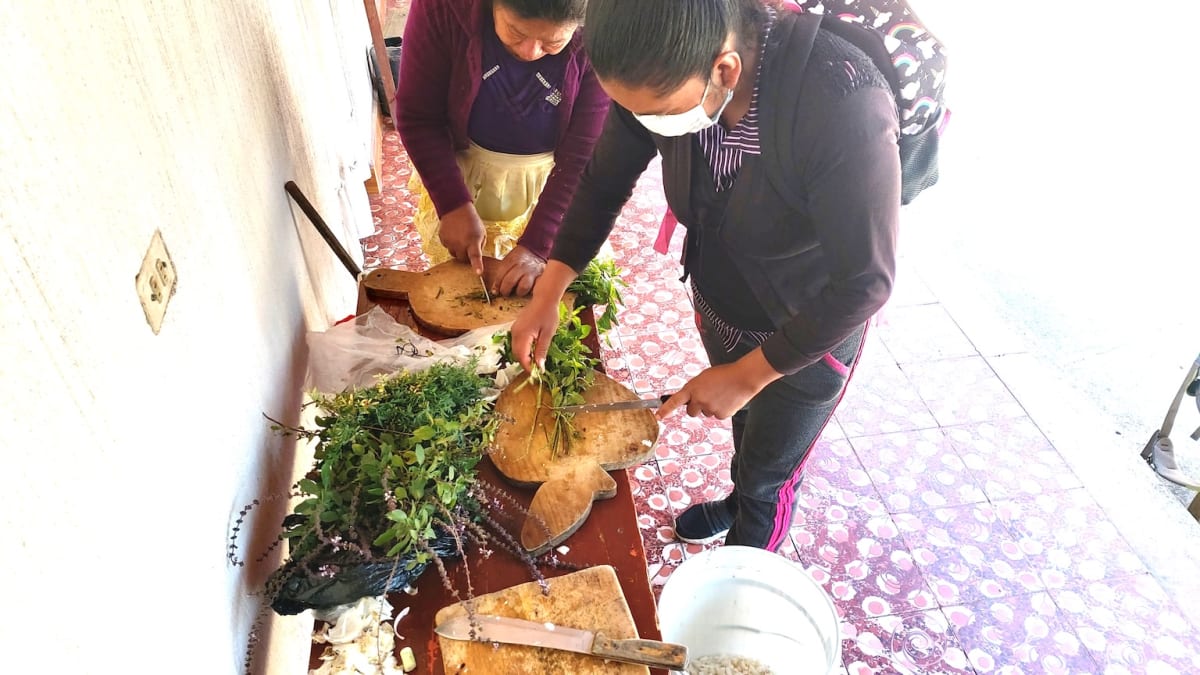
Farmers in 60 communities across Sololá, Huehuetenango, and Chiquimula are creating natural pesticides from locally grown plants with strong smells and flavors. They crush garlic, chili, ginger, and native plants like the stinging chichicaste shrub, mix them with water, and spray the concoctions on their vegetables and coffee plants.
Jorge Letona from San Lucas Tolimán has been making these biopesticides for 40 years using recipes passed down from his grandfather. "I've tried to make everything I produce organic, for my health and that of my family," he says.
When leafcutter ants stripped Jose Bixcul's bean and cucumber crops bare in one day, he fought back with a mixture of chili, garlic, and cinnamon. He also planted rue around his plot as an extra defense, and the pests stayed away.
The approach draws from Maya farming wisdom dating back to 2000 BCE. Ancient farmers painted lime mixtures around fruit trees to stop pests from climbing, and grew maize, beans, and squash together so each plant helped the others thrive.
World Neighbors, an international development organization, is helping farmers rediscover and refine these traditional methods through hands-on workshops. When applied consistently, the natural pesticides can reduce crop infestations by up to 90%, matching the effectiveness of chemical alternatives.
The homemade solutions cost about one-sixth the price of industrial pesticides since farmers only pay for their labor. The plants grow freely in their communities, and the main ingredient is water.
Beyond saving money, these biopesticides protect what chemical pesticides damage. They don't degrade the soil, contaminate water sources, or pose health risks to the families who handle them daily.
The Ripple Effect
This revival of ancient knowledge is creating waves beyond individual farms. As families spend less on pesticides, they have more money for other needs and can grow surplus food to sell at markets.
The success is breathing new life into traditional farming wisdom that was nearly lost. Younger farmers are learning from elders again, bridging generations through shared purpose.
Communities are also protecting their local ecosystems while feeding their families. The natural pesticides spare beneficial insects and preserve biodiversity that chemical alternatives would destroy.
As global interest in sustainable farming grows, these Guatemalan communities are proving that sometimes the best innovations are actually ancient solutions waiting to be remembered.
More Images



Based on reporting by Mongabay
This story was written by BrightWire based on verified news reports.
Spread the positivity!
Share this good news with someone who needs it