Guatemala Grows Central America's Largest Protected Forest
A bold 1990 plan turned Guatemala's threatened rainforest into a global conservation success story. Three decades later, the Maya Biosphere Reserve proves protecting nature and supporting communities can work together.
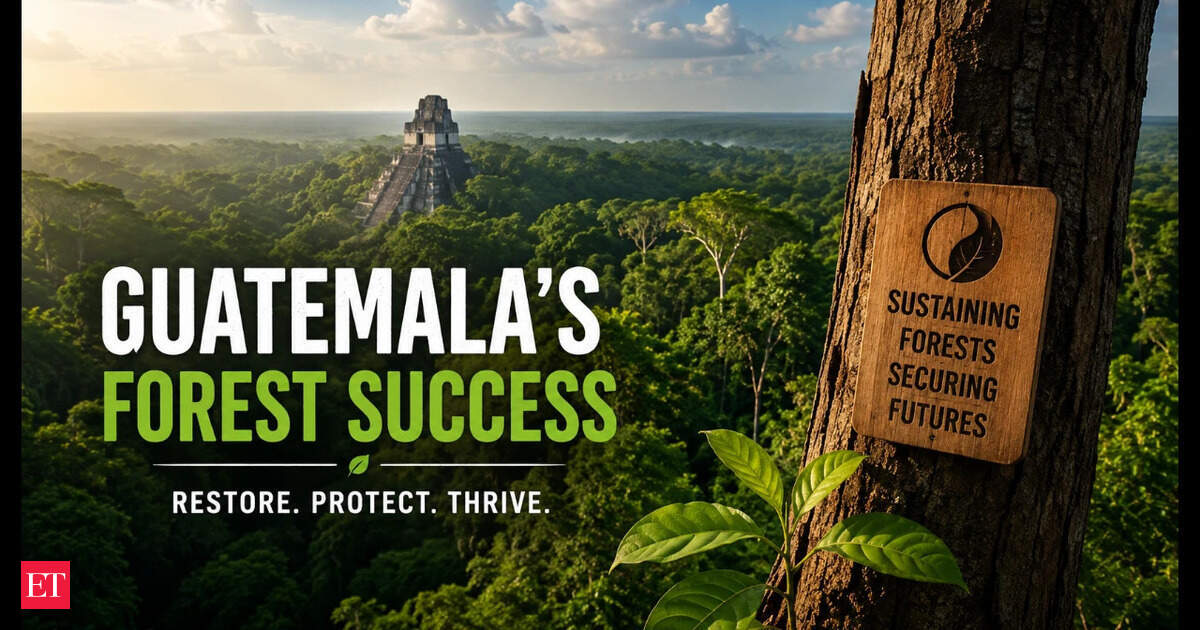
When Guatemala created the Maya Biosphere Reserve in 1990, few believed a forest could thrive while people made their living from it. Today, this 2.1 million hectare protected area stands as Central America's largest tropical forest and a blueprint studied worldwide.
The reserve sits in Guatemala's northern Petén region, bordering Mexico and Belize. Officials faced a choice: ban people entirely or find a way to make conservation work for local communities.
They chose partnership. Guatemala divided the reserve into protected core areas and community forest concessions where residents could legally harvest timber under strict environmental rules. Every logging operation required detailed forest inventories, government oversight, and independent certification.
The approach transformed mahogany from a target for illegal loggers into a carefully managed resource. Community forestry groups now use selective cutting techniques that leave surrounding forest intact, allowing natural regeneration over several decades before the same area is harvested again.
Many community forests have earned Forest Stewardship Council certification, verifying their timber comes from responsibly managed sources. Research by the Rainforest Alliance and the Center for International Forestry Research found these community-managed areas maintained remarkably low deforestation rates compared with nearby regions facing illegal land clearing.
The reserve protects far more than trees. Jaguars, Baird's tapirs, scarlet macaws, howler monkeys, and hundreds of bird species depend on this connected forest landscape. The ancient Maya city of Tikal, a UNESCO World Heritage Site, sits within the reserve alongside countless temples and ceremonial complexes.
The Ripple Effect
Guatemala's success challenges the old belief that conservation only works when people are excluded. Local residents have built businesses around certified timber, forest products, and ecotourism, creating economic opportunities that depend on keeping the forest healthy.
The model faces ongoing challenges from illegal land invasions, agricultural expansion, and organized crime. Conservation groups emphasize that continued enforcement and community participation remain essential to protecting the gains made over three decades.
International experts now study Petén as proof that giving communities legal rights, economic incentives, and clear management responsibilities can turn local residents into conservation's strongest allies. What started as one country's gamble has become a roadmap for balancing human needs with nature's survival.
Countries searching for practical ways to slow forest loss and protect biodiversity now have a working example that forests and people can both flourish.
More Images


Based on reporting by Google News - Conservation Success
This story was written by BrightWire based on verified news reports.
Spread the positivity!
Share this good news with someone who needs it