Guatemala Navy Stops Illegal Sailfish Trade
Guatemalan naval forces intercepted a vessel illegally transporting sailfish, protecting a species vital to both ocean health and the region's tourism economy. The operation highlights growing efforts across Central America to save marine life from commercial overfishing.
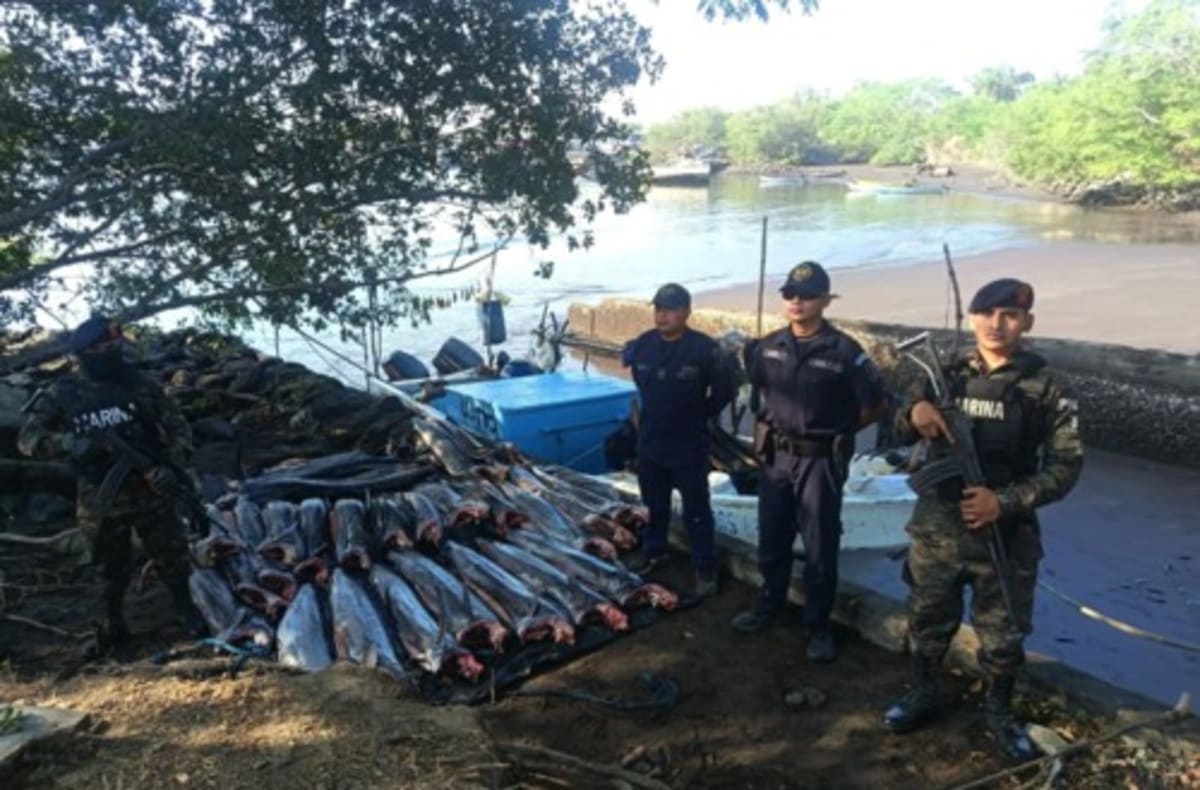
Guatemala's Pacific Naval Command just scored a win for ocean conservation by stopping three crew members from illegally transporting sailfish without permits. The interception protects a species that generates millions in sustainable tourism dollars and plays a crucial role in marine ecosystems.
During a routine patrol along Guatemala's Pacific coast, naval personnel spotted and approached a suspicious vessel. When authorities requested standard documentation, the crew couldn't produce the required permits or identification for their catch.
Sailfish face serious threats in Central American waters. In Guatemala and Costa Rica, commercial fishing for the species is either banned or heavily restricted, with governments prioritizing catch-and-release sport fishing instead. This approach protects fish populations while supporting local economies through tourism.
The stakes are higher than many realize. A recent study by FECOP, a regional conservation organization, found sailfish catches have dropped between 45% and 65% in recent years. Commercial longline fishing is the main culprit, creating excessive bycatch and depleting populations faster than they can recover.
Sport fishermen now need more trips and longer hours to catch and release even a single sailfish. That declining success rate threatens an industry worth millions annually to coastal communities that depend on fishing tourism.
The Ripple Effect
Guatemala's interception represents part of a broader regional awakening to ocean conservation. Countries across Central America have intensified maritime patrols and enforcement in Pacific waters, recognizing that healthy fish populations mean healthy economies.
When authorities escort vessels like this one to port and apply legal sanctions, they send a clear message that protecting marine resources matters. Each successful interception helps endangered species recover while preserving jobs for guides, boat operators, and coastal businesses built around sustainable tourism.
The operation also demonstrates that consistent monitoring works. Regular patrols create real consequences for illegal fishing, making it harder for unauthorized operations to strip the ocean bare.
Guatemala's naval forces will continue investigating this case, verifying the catch's origin and determining appropriate penalties under national environmental law. More patrols are protecting the Pacific waters that sustain both marine life and the people who depend on healthy oceans.
More Images




Based on reporting by Tico Times Costa Rica
This story was written by BrightWire based on verified news reports.
Spread the positivity!
Share this good news with someone who needs it