Guelph Grad Heads to Stanford After Cancer Research Wins
A University of Guelph chemistry student is heading to Stanford this fall after developing cheaper DNA molecules that could make cancer treatment more accessible. His master's research focused on aptamers that cost less to produce than traditional therapies.
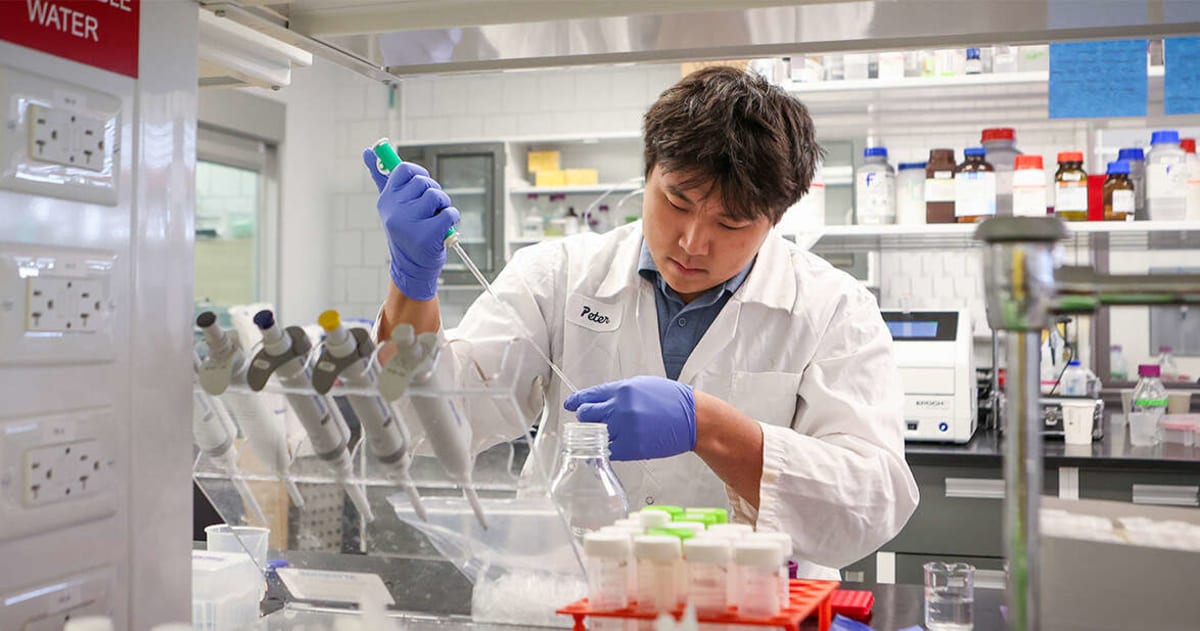
Peter Kim never imagined his curiosity about science would lead him to one of the world's top universities, but this fall he starts a PhD at Stanford after groundbreaking work that could change how we treat cancer.
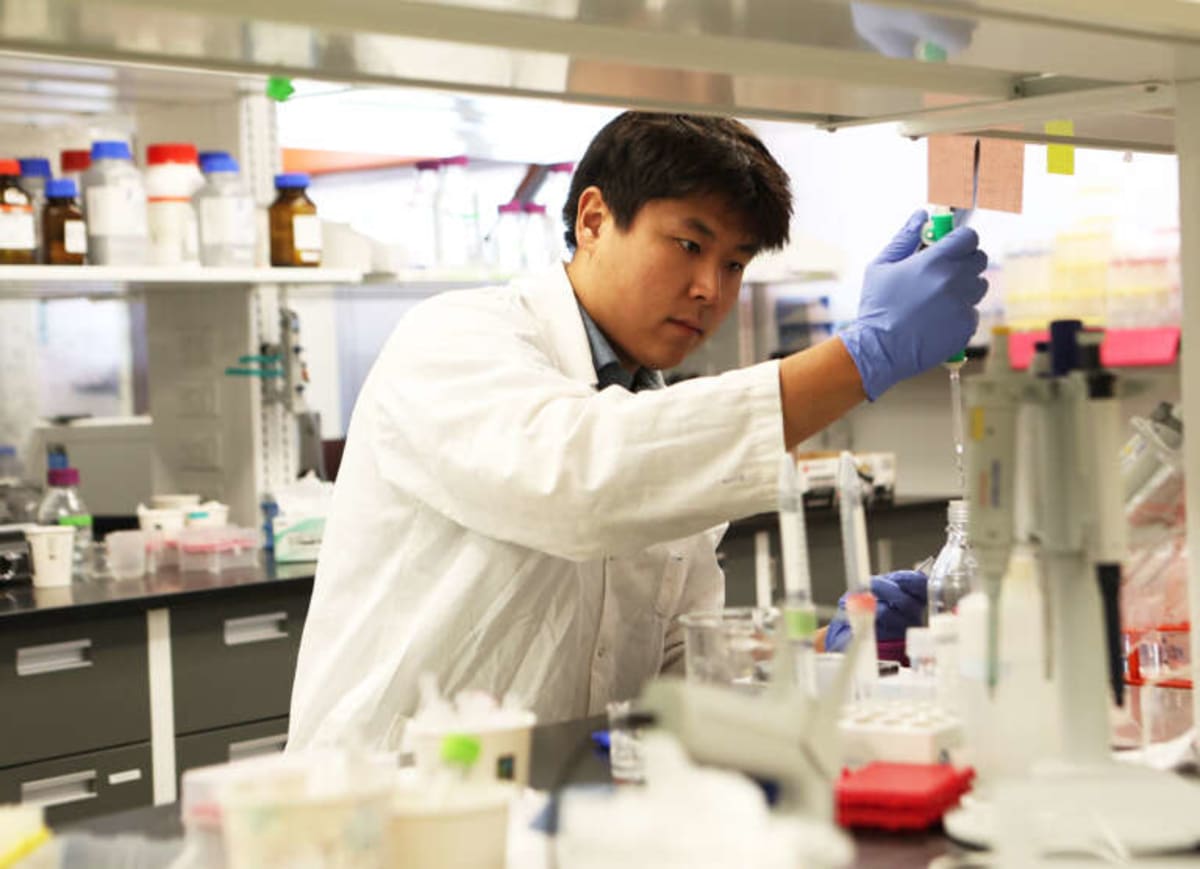
The University of Guelph chemistry graduate just completed his master's degree developing aptamers, specialized DNA strands that bind to proteins linked to cancer and neurodegenerative diseases. What makes his work special is the cost factor.
"Aptamers can be synthesized using chemistry, which makes them less expensive and highly reproducible," Kim explains. "If we can make these molecules cheaper, then we can make treatments more accessible."
That accessibility mission came from an unlikely source. Kim learned about Frederick Banting, the Canadian scientist who discovered insulin and sold the patent for just one dollar so everyone could afford it. The story stuck with him throughout his research career.
His path to Stanford started in high school with passionate teachers who made science feel approachable. His older sister Grace, also a Guelph graduate, gave him an early glimpse into academic research through dinner table conversations about her own work.
At Guelph, Kim found mentors who shaped how he thinks about science. Dr. Rui Huang introduced him to structural biology and built his technical skills. Dr. Derek O'Flaherty taught him to see beauty in complex experiments, not just results.
Why This Inspires
Kim's approach to opportunity offers a lesson for anyone doubting themselves. He remembers hearing scientist Dr. Lewis E. Kay say that if more than 10 percent of your experiments succeed, you're probably not tackling hard enough problems.
That mindset pushed Kim to apply for opportunities he wasn't sure he'd get. "It's not because I lack confidence," he says. "It's because I know that if I only pursue the options I'm guaranteed to receive, I'll never discover what I am truly capable of achieving."
His research sits in the realm of fundamental science, but Kim stays motivated by thinking about future patients. "It's hard to keep pushing through failed experiments, optimizing protocols and staying late to analyze data if you don't believe your work matters," he says.
The graduate student community at Guelph became family during long lab days. "Good science is built not just on hard work and discipline, but also on the friendships and sense of community that make that work worthwhile," Kim reflects.
Working with collaborators at the University of Waterloo, Kim's team successfully developed and characterized their aptamer. The molecules show promise for targeting disease pathways while remaining affordable to produce.
As he prepares to leave Guelph for California, Kim feels bittersweet but excited to work alongside some of the brightest minds in science. His advice for future researchers is simple: "Don't count yourself out before someone else has the chance to say yes."
More Images
Based on reporting by Google: scientific discovery
This story was written by BrightWire based on verified news reports.
Spread the positivity!
Share this good news with someone who needs it