Guernsey Residents Track 205 Hornet Queens This Year
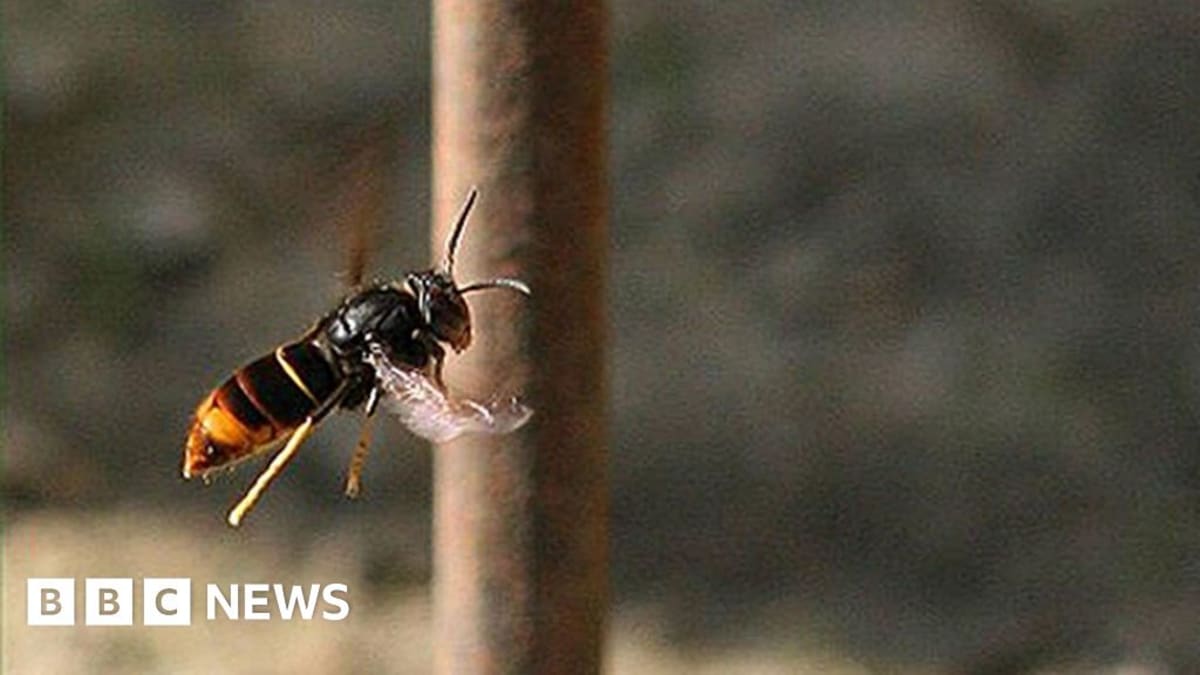
A small island community is winning the fight against invasive Asian hornets through a clever "track don't trample" campaign. By enlisting everyday citizens as hornet detectives, Guernsey has captured over 200 queens and destroyed nine nests in 2024 alone.
Guernsey residents are becoming citizen scientists in a campaign that's protecting their island's honeybees and biodiversity one hornet at a time.
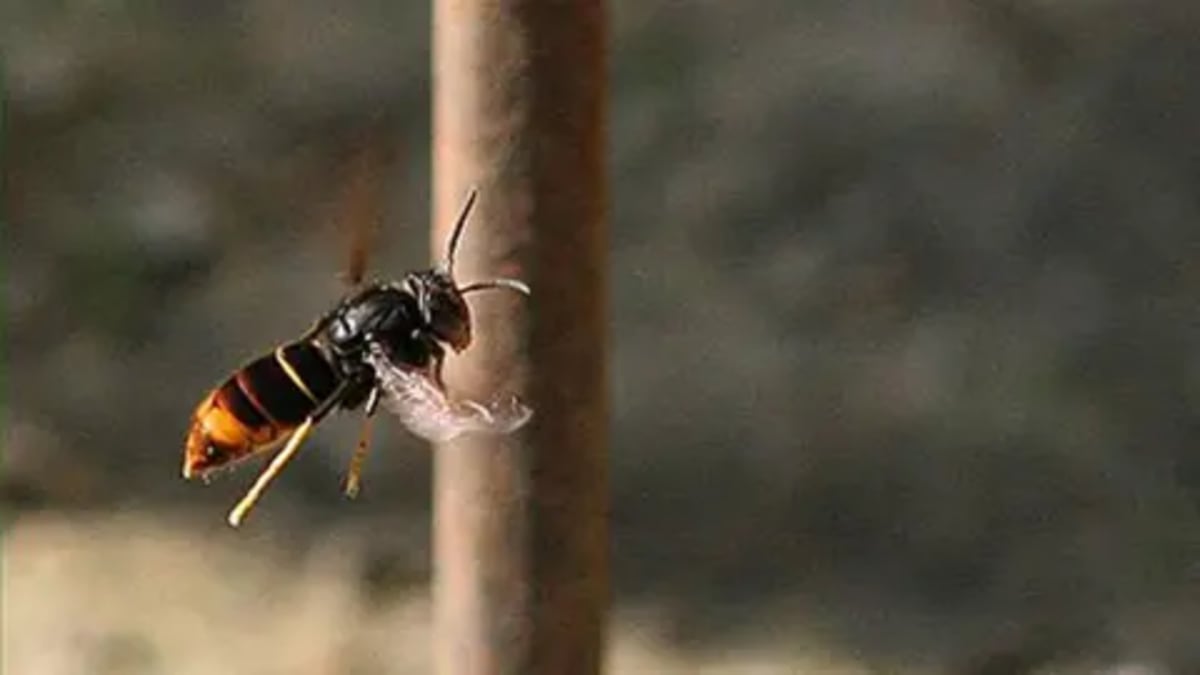
The Channel Island launched a "Track Don't Trample" strategy asking locals to photograph Asian hornets and note their flight direction instead of killing them on sight. This simple approach has already led to 205 queen captures and nine nest removals across Guernsey and Herm this year.
Asian hornets first arrived in southern France in 2004, likely hitching a ride in pottery shipments from Asia. They reached Guernsey's shores in 2017 and quickly became a serious threat to the island's ecosystem.
These invasive insects devour honeybees, which make up 39% of their diet. Without intervention, they could devastate local pollinator populations that keep the island's plants and crops thriving.
The tracking method works because volunteers help officials follow hornets back to their source. Instead of eliminating one insect, authorities can safely destroy entire nests before they explode in size during August and September.
Annelotte Baas-Jehan, the island's Invasive Non-Native Species officer, credits volunteers as the backbone of the program. "Their work is incredibly important," she said, explaining how community reports lead teams straight to nests for safe, efficient removal.
The Ripple Effect
This community-powered conservation shows how ordinary people can make extraordinary impacts when given the right tools. Each photo submitted helps protect thousands of honeybees that pollinate gardens, farms and wild spaces across the islands.
The success demonstrates that invasion biology doesn't require advanced degrees. Armed with smartphones and curiosity, Guernsey residents are defending their home's biodiversity while scientists handle the dangerous nest removal work.
Officials warn islanders to avoid attempting removals themselves, since nests can house up to 2,000 hornets by late summer. The hornets nest in tall trees, hedges, brambles and buildings, making professional removal essential for safety.
The campaign reminds everyone to check carefully before trimming hedges or vegetation during peak hornet season. One cautious glance could mean the difference between a peaceful yard work session and a dangerous encounter.
Guernsey's approach offers a blueprint for other regions facing invasive species challenges: engage your community, make participation simple, and trust that collective action creates real change.
More Images
Based on reporting by BBC Science
This story was written by BrightWire based on verified news reports.
Spread the positivity!
Share this good news with someone who needs it