Guinea-Bissau Bans Fish Meal to Protect Ocean Life
A small West African nation just put fish and communities first by completely banning an industry that threatened coastal ecosystems. Guinea-Bissau's decision protects vital spawning grounds and the people who depend on them.
Guinea-Bissau just took a bold stand for its ocean and the millions who depend on it, issuing a complete ban on fish meal production to protect disappearing fish populations and marine life.
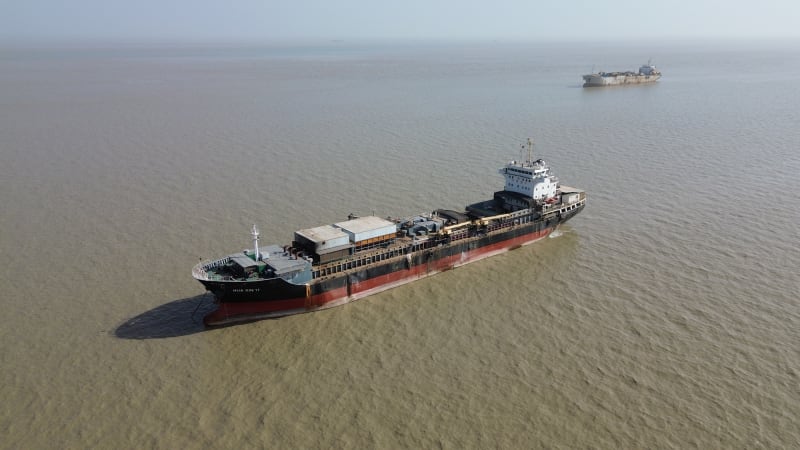
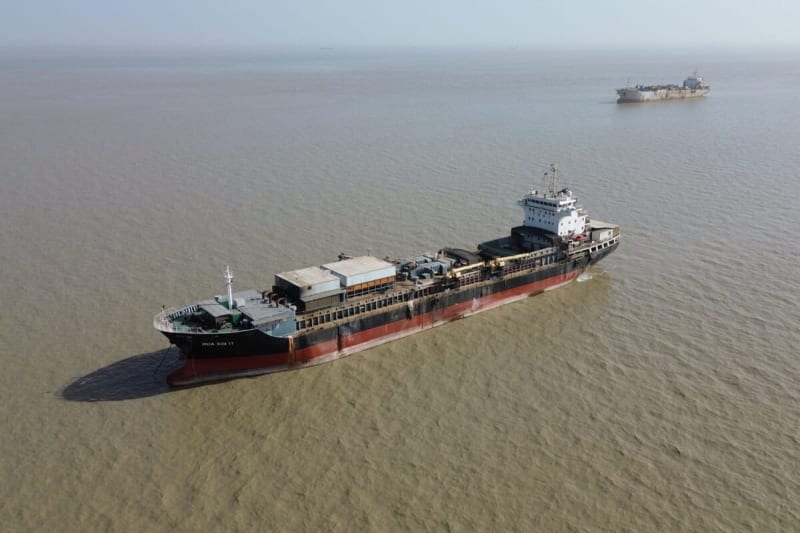
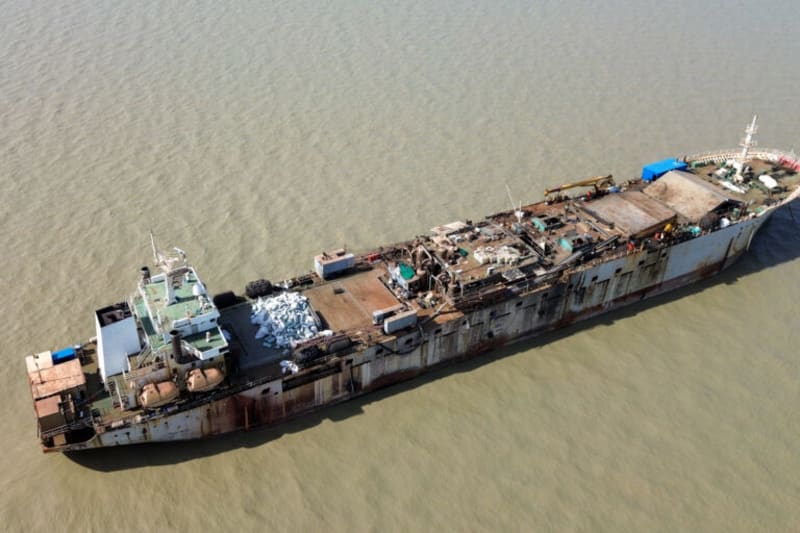
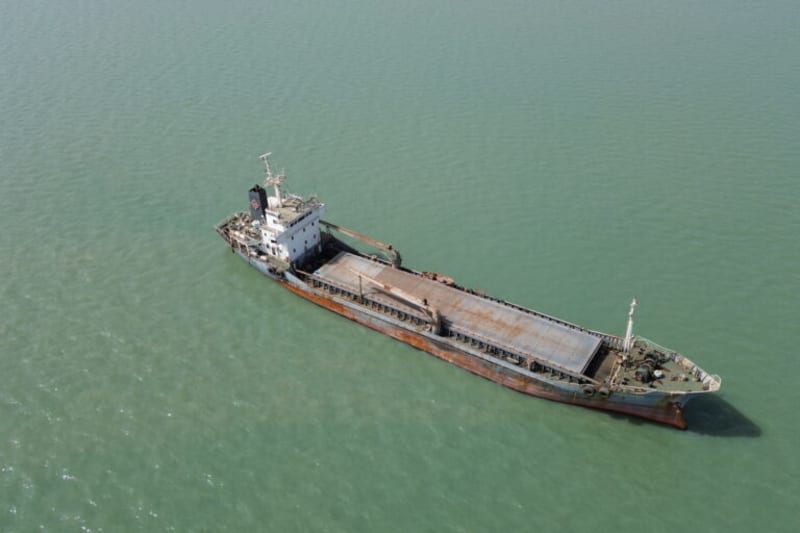
The small West African nation quietly became a hotspot for fish meal factories over the past five years. Two massive Chinese-owned factory ships anchored just 30 miles from the Bijagós Archipelago, a UNESCO Biosphere Reserve home to dolphins, manatees, sea turtles, and dense mangrove forests that serve as crucial spawning grounds for fish migrating along the coast.
Industrial fishing vessels used enormous nets to scoop up entire schools of small fish like sardinella, which local communities rely on for food and income. Instead of feeding people, these fish were ground into meal and oil, mainly for export.
On January 29, Guinea-Bissau's government said enough is enough. The ban covers both offshore factory vessels and land-based facilities, citing the urgent need to protect "small pelagic species as well as the surrounding ecosystem."
Marine researcher Cadija Djaló confirmed what many suspected: the main fish stocks in Guinea-Bissau are under strong pressure and in a worrying state. The country's director of industrial fishing explained the government acted to stop the harmful practice of converting fish meant for human consumption into industrial products, especially when disadvantaged populations need that protein most.
The decision shows particular courage because Guinea-Bissau became a refuge for this industry after neighboring Mauritania introduced stricter regulations in 2021. Rather than chase short-term profits, Guinea-Bissau chose long-term sustainability.
The Ripple Effect
This ban protects far more than Guinea-Bissau's waters. The Bijagós Archipelago's 88 islands and islets serve as critical nesting sites for endangered green and leatherback turtles and provide vital wintering grounds for migratory birds traveling between continents.
Healthy fish populations in these spawning grounds support fishing communities throughout West Africa. When Guinea-Bissau protects its marine ecosystems, it helps replenish fish stocks that migrate along thousands of miles of coastline, benefiting millions of people who depend on the ocean.
The government's swift action after its 2025 transition shows that protecting natural resources and food security can take priority over industrial interests. Other nations watching this industry shift from country to country now have a powerful example of choosing people and planet over profit.
Sometimes the best news comes from saying no to the wrong kind of development and yes to the future.
More Images
Based on reporting by Mongabay
This story was written by BrightWire based on verified news reports.
Spread the positivity!
Share this good news with someone who needs it