Gulf Nations Invest $175B in Africa's Clean Energy Future
Middle Eastern countries are emerging as major players in African clean energy, committing over $175 billion since 2010 to help power a continent where 600 million people still lack reliable electricity. Unlike traditional aid, these investments focus on partnerships and direct project funding rather than debt-heavy loans.
While 600 million Africans still live without reliable electricity, a new financial partnership is lighting up hope across the continent.
The United Arab Emirates and Saudi Arabia have committed more than $175 billion to African clean energy projects since 2010, according to a new report from Clean Air Task Force. Most of that investment has been announced since 2022, marking a dramatic shift in how clean energy gets funded in developing nations.
The approach differs from traditional development aid in a crucial way. Instead of government loans that pile on debt, Gulf countries are making direct investments in solar farms, wind projects, and hydrogen facilities. This model allows African nations to build infrastructure faster while maintaining financial stability.
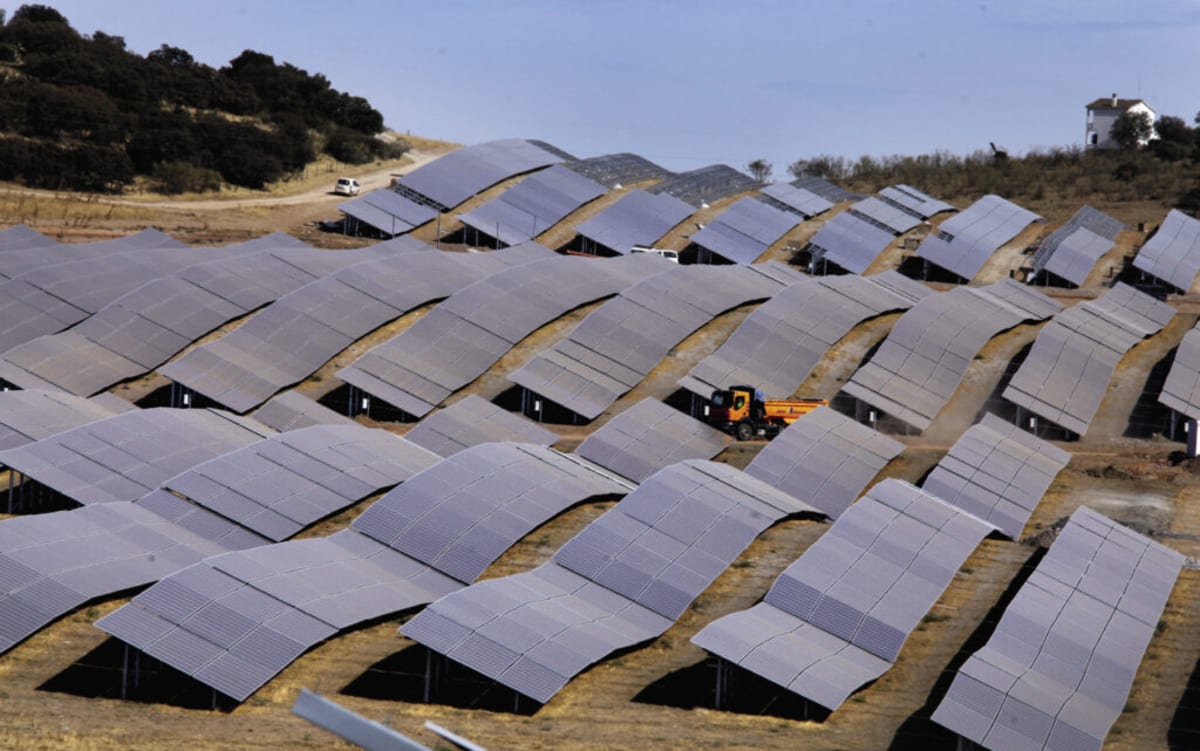
"Africa has the resources and the ambition to meet its energy needs, but what it lacks is patient capital willing to take on the required risks," said David Yellen, Director of Climate Policy Innovation at CATF. The UAE's Masdar and Abu Dhabi Fund for Development have spread investments across solar, wind, geothermal, and green hydrogen projects from North to Southern Africa.
Saudi Arabia has followed suit through ACWA Power and the Saudi Fund for Development, focusing on large-scale renewable and hydrogen projects in Egypt, South Africa, and Morocco. The timing couldn't be better as traditional sources of development finance from the U.S., Europe, and China face increasing constraints.
The challenge remains significant. Africa receives only 2 percent of global clean energy investment despite needing roughly $133 billion annually by 2030 to meet development and climate goals. The cost of capital for African energy projects averages 15.6 percent, more than triple the rate in Western Europe and the United States.
The Ripple Effect spreads beyond just powering homes. These investments are building transmission grids, supporting industrial growth through geothermal and nuclear energy, and creating jobs in renewable sectors. The report emphasizes that success depends on spreading investment beyond the handful of countries that typically receive development aid, reaching nations with the greatest energy access gaps.
Co-author Nada Hamade notes the opportunity to "diversify both where and how they invest, ensuring their support reaches the places and projects that need it most." By partnering with a broader range of African countries and investing in workforce development and shared ownership, Gulf investors could reshape how the world approaches development finance.
The model proves that clean energy investment can work as genuine partnership rather than charity, creating shared value while advancing climate goals and economic development across an entire continent.
Based on reporting by Google: clean energy investment
This story was written by BrightWire based on verified news reports.
Spread the positivity!
Share this good news with someone who needs it