Gulf States Invest $102B in Africa's Clean Energy Future
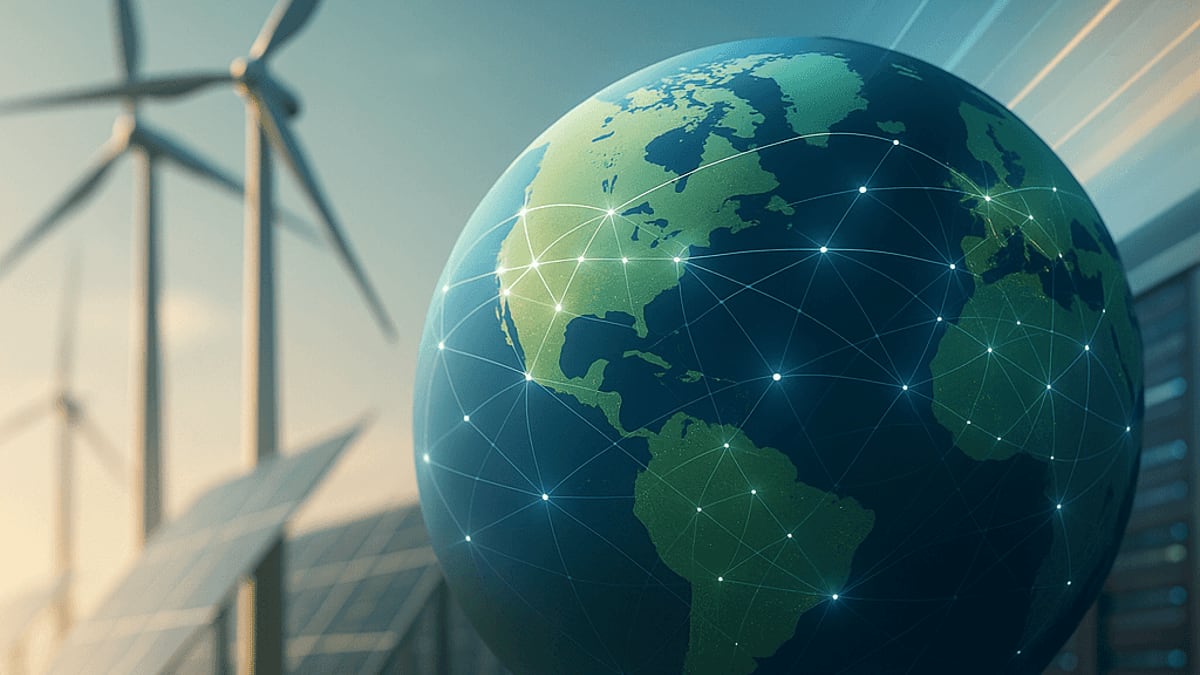
Despite regional tensions, Middle Eastern nations are pouring over $100 billion into African renewable energy projects, betting on the continent's growing power needs and mineral resources. The investments represent a strategic shift as oil-rich nations prepare for a clean energy future.
While conflicts create uncertainty across global markets, wealthy Gulf nations are doubling down on a different kind of power in Africa: clean energy that could light up 600 million lives.
Middle Eastern countries have invested more than $101 billion in African renewable energy projects through 2024, according to the Clean Air Task Force. The United Arab Emirates, Saudi Arabia, Qatar, Kuwait and Bahrain are leading the charge, focusing on North Africa, Southern Africa and parts of East Africa.
The timing reveals an important truth about how these nations view the future. Oil and gas powerhouses are looking beyond their traditional energy exports, recognizing that the world is moving toward sustainable power sources.
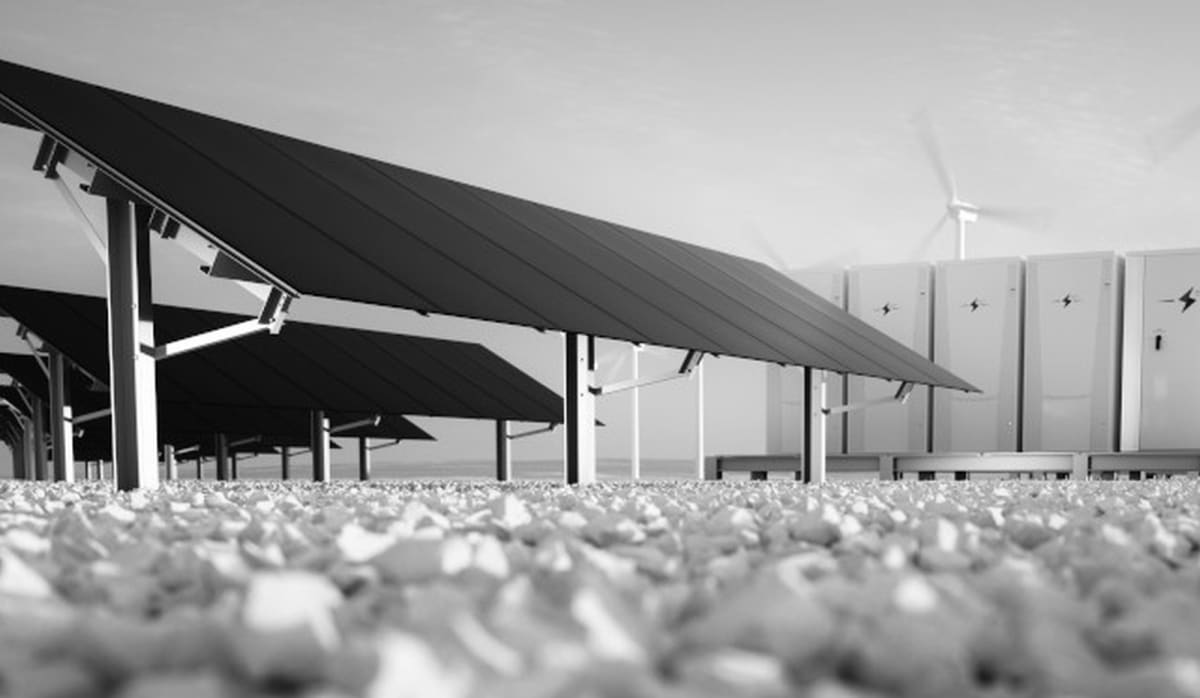
Africa needs the help desperately. Around 600 million people on the continent still lack electricity access, while millions more deal with unreliable service. Private investors are stepping in where government budgets can't reach, funding solar farms, wind projects and hybrid developments across multiple regions.
"Africa remains one of the few regions where demand growth is unequivocal," said Matthew Tilleard, chief executive of CrossBoundary Energy in Nairobi. His company develops renewable energy projects across the continent. Short-term disruptions may slow individual deals, but the biggest opportunities require long-term thinking.
The Ripple Effect
These investments reach far beyond keeping lights on. Africa sits at the center of multiple global transformations, including surging demand for cobalt, lithium and other minerals essential for batteries and advanced technology.
Renewable power plants built near mines or industrial operations give investors strategic access to critical supply chains. It's a smart play that connects clean energy generation with the materials needed for electric vehicles, smartphones and renewable energy storage worldwide.
Energy analyst Joel Okanda points out an unexpected benefit of current tensions. Supply chain disruptions from regional conflicts actually strengthen the case for renewable energy by exposing how fragile traditional fuel transportation can be.
State-owned companies from Gulf nations hold massive capital and understand the energy transition happening globally. Diversifying into renewables positions them for tomorrow's economy, not just today's.
The strategy isn't perfect everywhere. West Africa has received less investment than other regions, partly due to currency instability and regulatory challenges. Investors also consider whether functional electricity markets exist where power can actually be sold and paid for reliably.
But the momentum continues building. These are projects years in the making, designed for decades of operation. Political analysts expect the investments to weather short-term regional tensions because the strategic returns matter more than temporary market jitters.
For millions of Africans, this wave of funding could mean the difference between darkness and opportunity, between economic stagnation and growth powered by the sun and wind.
More Images


Based on reporting by Google: clean energy investment
This story was written by BrightWire based on verified news reports.
Spread the positivity!
Share this good news with someone who needs it