Gut Bacteria Actively Control Your Immune System
Scientists discovered that friendly gut bacteria can inject proteins directly into human cells, actively controlling immune responses. This breakthrough explains how the microbiome influences conditions like Crohn's disease.
Your gut bacteria aren't just sitting there. They're actively sending signals into your cells that control how your immune system works.
Scientists at Helmholtz Munich have discovered something remarkable: common, harmless bacteria in your digestive system can inject their own proteins straight into human cells. This direct communication actively shapes immune responses and metabolism in ways researchers never understood before.
For years, scientists knew the gut microbiome affected health, but they couldn't explain how. The connection between gut bacteria and diseases like Crohn's was clear, but the mechanism remained mysterious.
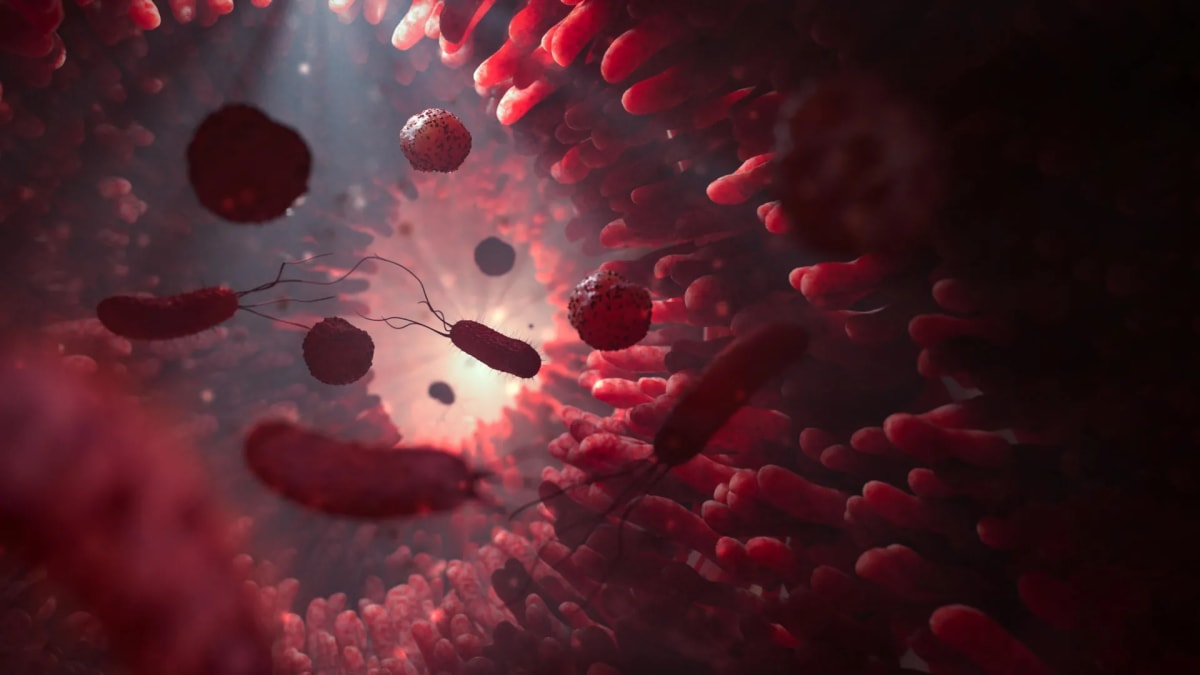
Now we know the answer. Many friendly gut bacteria carry tiny injection systems that work like microscopic syringes, delivering bacterial proteins directly into our cells.
"This fundamentally changes our view of commensal bacteria," says Prof. Pascal Falter-Braun, who led the study at Helmholtz Munich. "These non-pathogenic bacteria are not just passive residents but can actively manipulate human cells."
Scientists previously thought only harmful bacteria like Salmonella had these injection abilities. Finding them in helpful bacteria rewrites the playbook on how our bodies and microbiomes work together.
The research team mapped over a thousand interactions between bacterial proteins and human proteins. They found these injected proteins specifically target pathways that regulate immunity and prevent overactive immune responses that lead to autoimmune disease.
The breakthrough gets even more interesting. Researchers discovered that genes for these bacterial injectors appear more frequently in people with Crohn's disease, a condition causing chronic intestinal inflammation.
This finding suggests that certain bacterial proteins might contribute to disease development. It transforms years of observational data into actionable science, pointing toward potential new treatments.
Why This Inspires
This discovery moves microbiome science from correlation to causation. Instead of just knowing that gut bacteria matter, scientists can now identify exactly which proteins do what, opening doors to targeted therapies.
The research reveals an elegant system where bacteria and human cells communicate through direct protein exchange. It's a partnership millions of years in the making, and understanding it could revolutionize how we treat inflammatory and autoimmune diseases.
Future research will explore how specific bacterial proteins work in different tissues and disease settings. The goal is developing precise interventions that restore healthy bacteria-immune system communication.
After decades of knowing the microbiome mattered, science finally understands how it works.
Based on reporting by Health Daily
This story was written by BrightWire based on verified news reports.
Spread the positivity!
Share this good news with someone who needs it