Gut Bacteria Compound Boosts Cancer Treatment in Mice
Scientists at the University of Michigan turned a compound made by gut bacteria into an oral drug that helps immune cells fight cancer more effectively. The breakthrough could make existing cancer treatments work better for more patients.
A compound naturally produced in your gut when you eat fiber just helped mice eliminate cancer tumors completely.
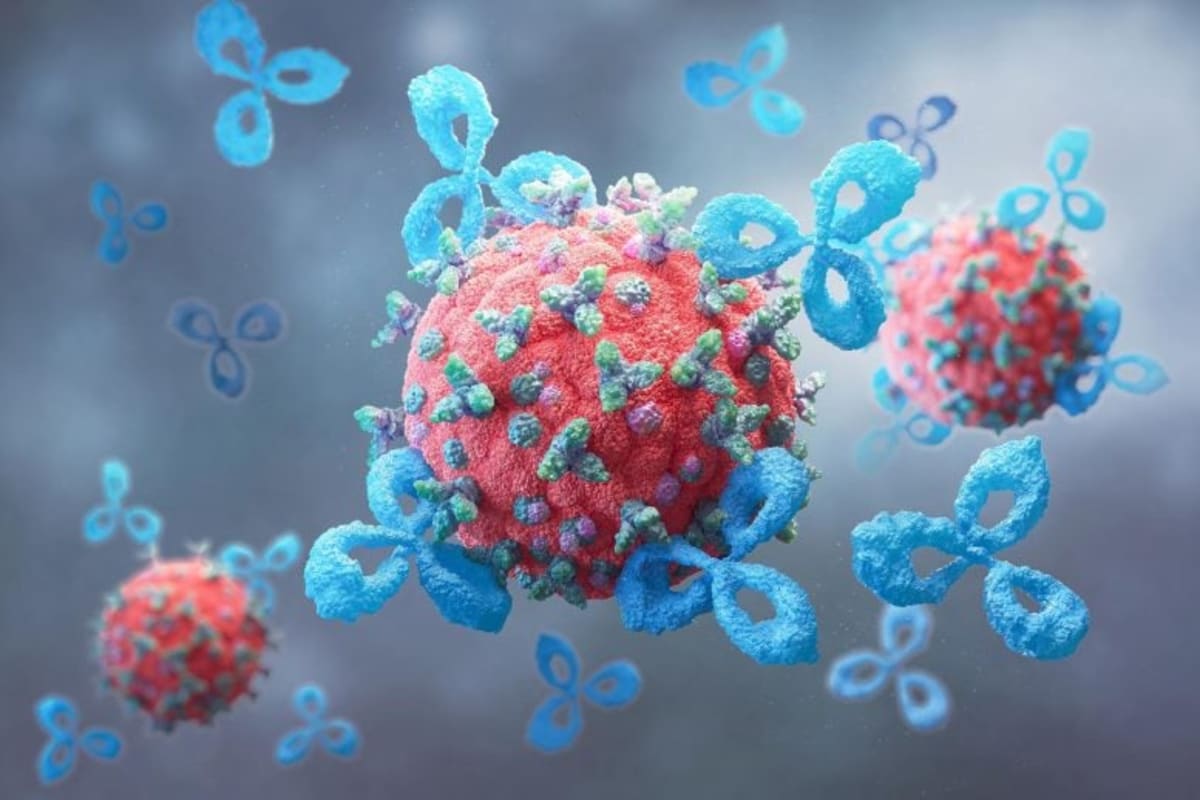
Researchers at the University of Michigan discovered that a substance called DHB, made by gut bacteria breaking down dietary fiber, strengthens the immune system's ability to fight cancer. They turned it into an oral drug that worked alongside existing cancer treatments to wipe out tumors in mice with melanoma, breast cancer, and colorectal cancer.
The work tackles a stubborn problem with current immunotherapy. Checkpoint blockade therapy works by releasing the immune system's natural brakes so T cells can attack cancer, but many patients don't respond well. Over time, their T cells lose steam and stop fighting effectively.
DHB changes that. The compound helps T cells develop into memory T cells, which multiply rapidly and maintain long-term immune responses. Think of them as the immune system's special forces that remember how to fight specific threats.
Getting DHB to work as a medicine required creative problem solving. Natural compounds like DHB get absorbed poorly and leave the body quickly. The research team wrapped it in a protective nanoemulsion shell and converted it into a prodrug, an inactive form that only becomes active after reaching target tissues.
The Bright Side
The results exceeded expectations. When mice received the oral prodrug alongside checkpoint therapy, their tumors disappeared completely. Even better, the animals developed lasting immune memory that could prevent cancer from returning.
The benefits extended beyond just checkpoint therapy. DHB also improved CAR T-cell treatments, which modify a patient's own immune cells to target cancer. This versatility suggests the compound could enhance multiple types of cancer treatment.
Lead researcher James Moon calls it the first time anyone has developed natural microbial metabolites into an oral immunotherapy formulation. His team is now screening other beneficial compounds produced by gut bacteria and exploring whether their nanomedicine approach could treat autoimmune diseases.
The connection between gut health and cancer treatment continues to surprise scientists. What seemed like simple dietary fiber breakdown now holds promise for helping more patients respond to life-saving treatments.
Human clinical trials will determine whether these mouse results translate to people, but the research opens an exciting path forward for making cancer immunotherapy more effective.
Based on reporting by Google News - Scientists Discover
This story was written by BrightWire based on verified news reports.
Spread the positivity!
Share this good news with someone who needs it