Gut Bacteria Could Help Turn Fat Into Calorie Burners
Scientists discovered how specific gut bacteria work with diet to transform energy-storing fat into calorie-burning fat in mice. The breakthrough reveals a new biological pathway that could lead to treatments for obesity and diabetes.
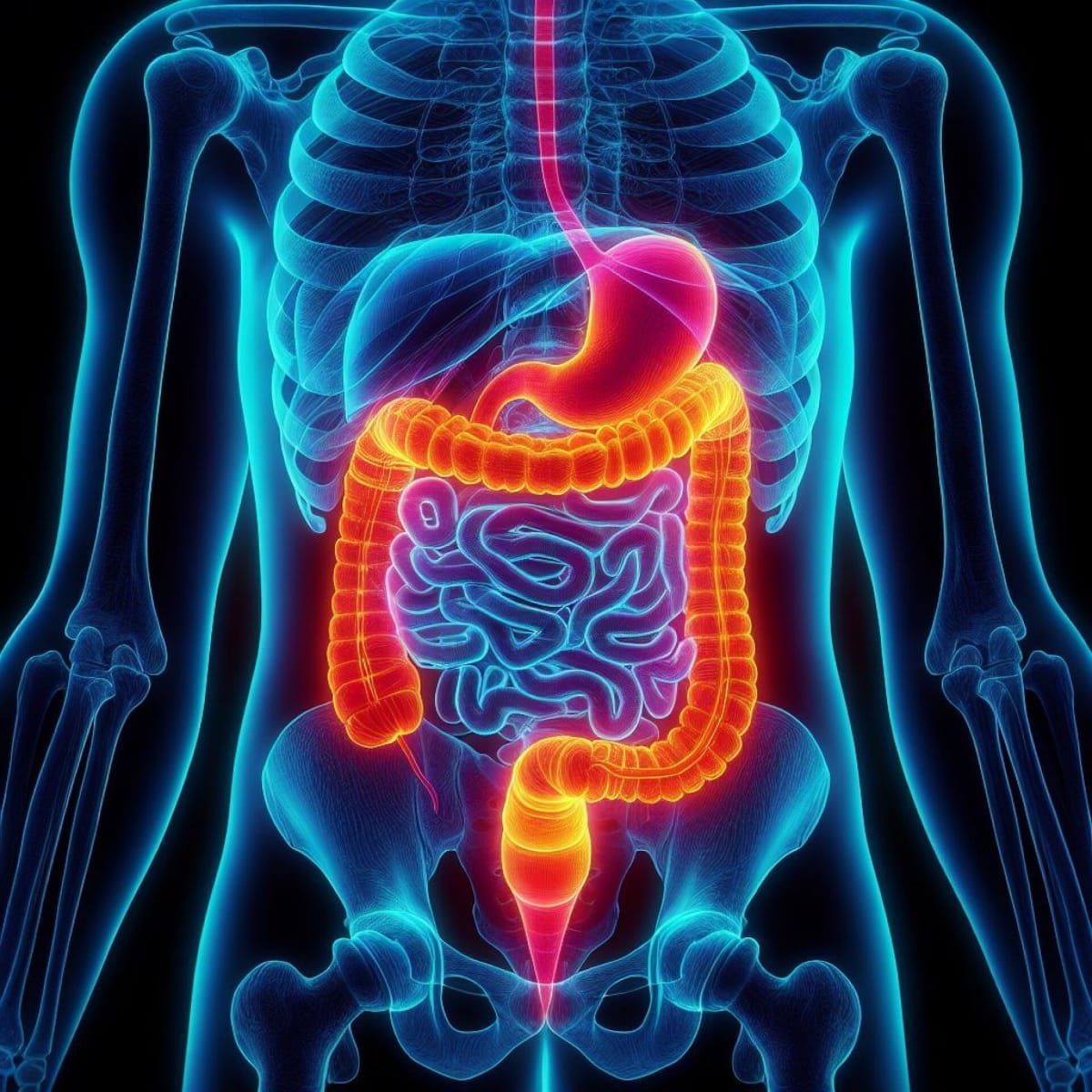
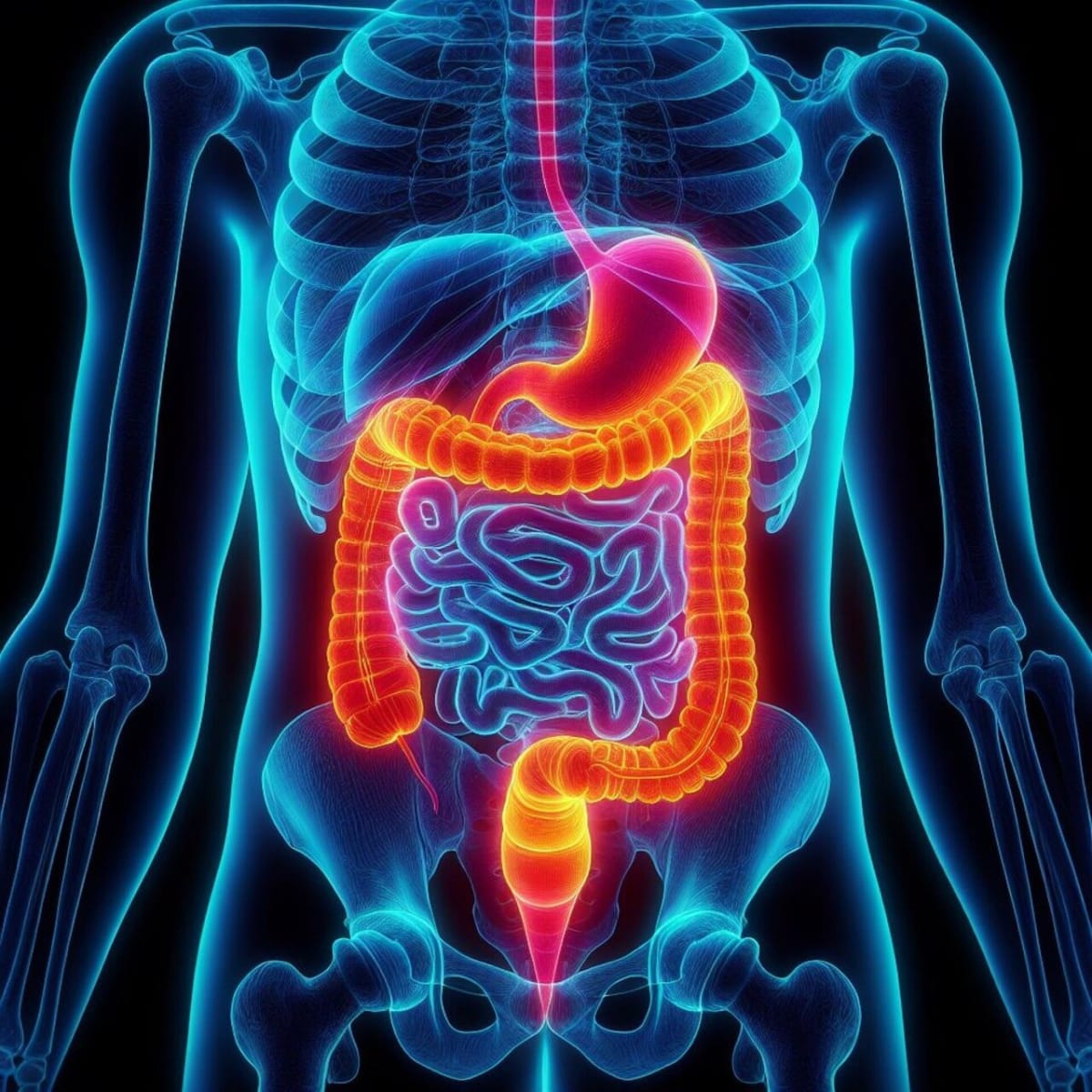
Your gut bacteria might hold the key to changing how your body burns fat.
Scientists at City of Hope, the Broad Institute, and Keio University discovered that certain gut microbes can flip a metabolic switch in mice. Working together with diet, these bacteria transform white fat that stores calories into beige fat that burns energy.
The study, published in Nature, shows that when mice ate a low-protein diet, their gut bacteria sent chemical signals throughout the body. These signals told fat cells to stop storing energy and start burning it instead.
"Fat tissue is not fixed—it's surprisingly adaptable," said Dr. Kenya Honda, co-senior author of the study. "We found that certain gut bacteria can sense what the host is eating and translate that information into signals that tell fat cells to burn energy."
The researchers tested their theory by comparing normal mice to germ-free mice with no gut bacteria. When both groups ate the same low-protein diet, only mice with gut bacteria developed the calorie-burning beige fat. The diet alone wasn't enough.
The team identified four specific bacterial strains that triggered this transformation. When these microbes were given to mice along with the diet, the animals converted white fat into beige fat, gained less weight, showed better blood sugar control, and had lower cholesterol.
The bacteria worked like a relay team rather than a single switch. They sent one signal that changed bile acids to nudge fat cells toward burning calories. Then they sent a second signal that caused the liver to release a metabolism-boosting hormone called FGF21. Both signals had to work together for fat burning to happen.
Why This Inspires
This discovery opens new doors for treating metabolic diseases that affect millions of people worldwide. Rather than relying on extreme diets or probiotic supplements that have largely failed in the past, scientists can now design therapies targeting these specific biological pathways.
The research team emphasizes this doesn't mean people should drastically cut protein from their diets. The low-protein diet used in mice was lower than what's safe for humans. Instead, the real opportunity lies in understanding these pathways well enough to create treatments that safely mimic their benefits.
Obesity and metabolic disease are major risk factors for cancer, diabetes, and heart disease. By revealing how gut microbes and diet reshape fat tissue, this study adds to our growing understanding of how metabolism, inflammation, and disease risk connect.
"This work highlights the gut microbiome as an active decision-maker in the body," Honda said. "It doesn't just respond to diet—it interprets it."
The discovery represents a fundamental shift in how scientists think about weight management and metabolic health. Your gut bacteria aren't just passive passengers—they're active partners in how your body processes food and burns energy.
More Images
Based on reporting by Medical Xpress
This story was written by BrightWire based on verified news reports.
Spread the positivity!
Share this good news with someone who needs it