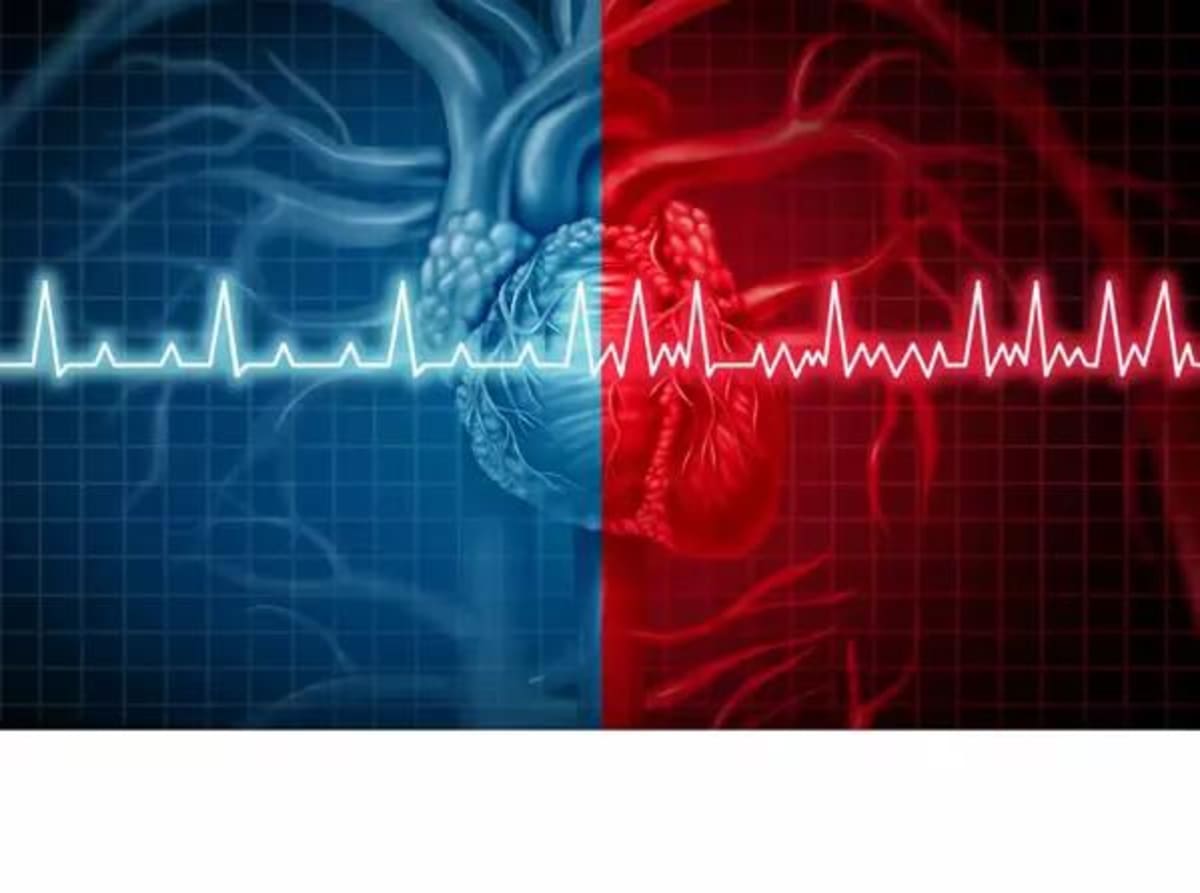
Gut Bacteria Discovery Could Prevent Heart Rhythm Disease
Cleveland Clinic researchers discovered how a compound from red meat consumption raises atrial fibrillation risk, opening the door to prevention through diet changes. The breakthrough could help millions manage heart health before rhythm problems even start.
Scientists just identified a specific way your diet might be affecting your heart's electrical system, and the discovery could change how doctors prevent irregular heartbeats.
Cleveland Clinic researchers found that TMAO, a compound created when gut bacteria digest nutrients in red meat and other animal products, directly alters the heart's electrical environment. When TMAO levels rise in your blood, your heart becomes more susceptible to abnormal rhythms.
The research team analyzed blood samples from more than 5,000 people undergoing heart procedures and confirmed their findings through laboratory studies. Dr. Robert Koeth, who led the study published in the Journal of Clinical Investigation, says the results point toward a major shift in treatment.
Atrial fibrillation affects at least 2.7 million Americans and causes symptoms like fatigue, heart palpitations, breathing trouble and dizziness. Current treatments focus on managing the condition after it develops, often through medications or procedures that create scar tissue to improve electrical signaling.
But this discovery suggests something different: the possibility of preventing the condition before it starts.
The Ripple Effect
This breakthrough builds on over a decade of Cleveland Clinic research linking TMAO to cardiovascular problems. Previous studies connected high TMAO levels to increased risk of chronic kidney disease, heart attacks and strokes.
Now that connection has expanded to include atrial fibrillation, and TMAO testing has become widely available for clinical use. Doctors can measure your levels and potentially recommend dietary changes before heart rhythm problems develop.
The research represents a fundamental shift from reactive treatment to proactive prevention. Instead of waiting for irregular heartbeats to appear and then managing them, people might soon adjust their diets based on TMAO levels to reduce risk entirely.
Dr. Koeth emphasized the practical implications: most current atrial fibrillation treatments manage existing conditions, but these findings suggest intervening much earlier through dietary choices. That means the power to reduce risk might be as simple as what you choose to eat.
The study joins a growing body of evidence showing how deeply the gut microbiome influences heart health. As researchers continue uncovering these connections, the path from your plate to your heart becomes clearer and more actionable for millions of people.
Based on reporting by Google News - Researchers Find
This story was written by BrightWire based on verified news reports.
Spread the positivity!
Share this good news with someone who needs it


%3Amax_bytes(150000)%3Astrip_icc()%3Afocal(999x0%3A1001x2)%2Fmichael-j-fox-1-16107b4a149a485e83a78fedd03d5096.jpg)