Gut Bacteria May "Train" Your Intestine to Fight Disease
Scientists discovered that a compound from fiber-fed gut bacteria can teach your intestine to fight inflammation for weeks, even after the compound is gone. This breakthrough could reshape how we prevent and treat inflammatory bowel disease.
Your gut bacteria might be doing something far more powerful than scientists ever imagined: teaching your intestine to stay healthy long after you've finished that fiber-rich meal.
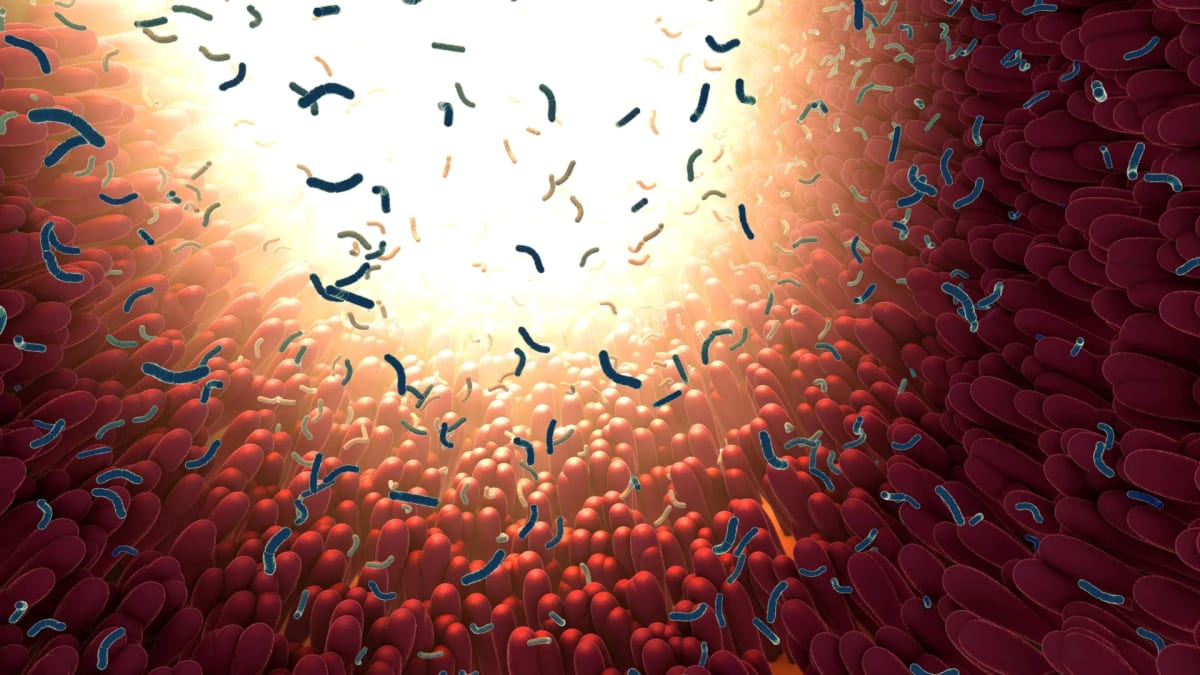
Researchers at Northwestern Medicine just uncovered how a compound called butyrate, created when gut bacteria digest dietary fiber, leaves a lasting protective memory in the cells lining your intestine. Even two weeks after butyrate exposure ended, mice still showed strong anti-inflammatory defenses and were significantly more resistant to intestinal disease.
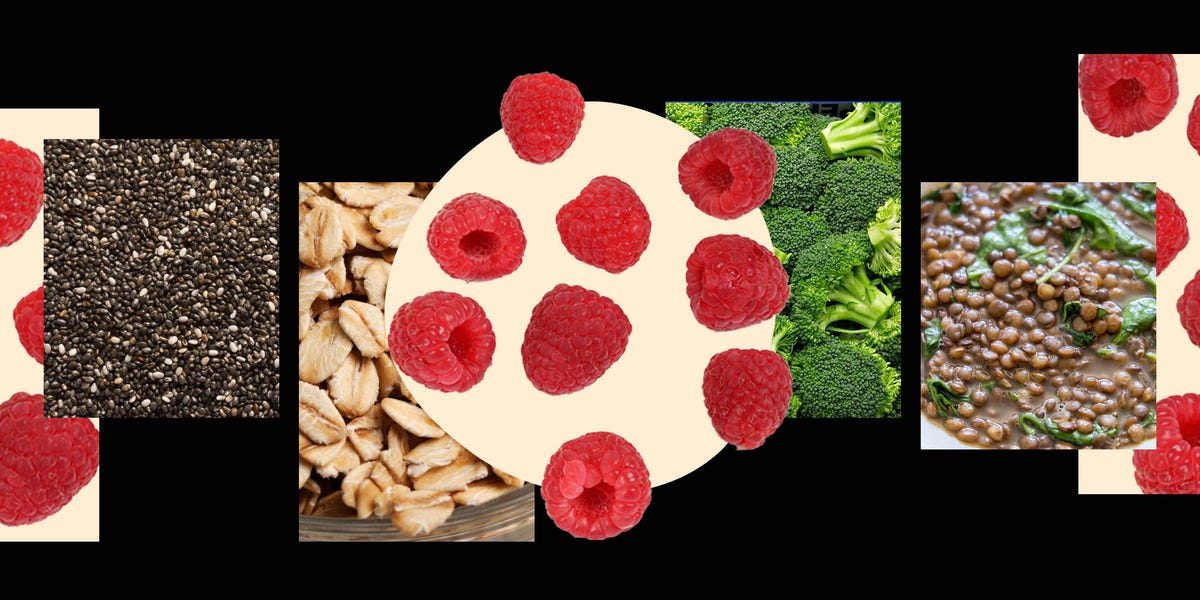
The discovery centers on butyrate, a substance your gut microbes produce when breaking down fiber from foods like whole grains, fruits, and vegetables. Scientists have long known butyrate fights inflammation, but they couldn't explain how it worked since the compound gets absorbed so quickly by intestinal cells.
The Northwestern team, led by Dr. Tianming Yu and Dr. Yingzi Cong, found that butyrate doesn't need to stick around to be effective. Instead, it reprograms the cells lining your intestine to keep producing anti-inflammatory signals weeks later.
In their experiments, mice given butyrate in their drinking water for a limited time showed lasting benefits. Two weeks after treatment stopped, their immune cells were still producing high levels of IL-10, a molecule that calms inflammation. When researchers exposed these mice to chemicals that normally trigger severe intestinal inflammation, the previously treated mice lost less weight, had lower inflammatory markers, and experienced far less tissue damage.
The protective effect worked even in germ-free mice that have no gut bacteria at all. This proved the lasting benefit came from changes in intestinal cells themselves, not from alterations to the microbiome.
The research team traced the mechanism to a metabolite called N1-acetylspermidine. When butyrate interacts with intestinal lining cells, it triggers lasting genetic changes that keep these cells producing the protective compound. These modified cells then communicate with immune cells, training them to maintain an anti-inflammatory state.
The Ripple Effect
This discovery flips a fundamental assumption about how your gut works. Scientists previously viewed intestinal lining cells as short-lived responders that react quickly but forget just as fast. These findings reveal they're more like diligent students, storing lessons from beneficial gut bacteria and applying them over time.
The implications reach far beyond the laboratory. Inflammatory bowel diseases like Crohn's disease and ulcerative colitis affect millions of people worldwide, causing chronic pain, fatigue, and serious complications. If dietary fiber can train the gut to resist inflammation, it could offer a simple, natural way to prevent flare-ups or reduce disease severity.
The research also suggests that timing matters. Brief periods of high-fiber intake might create windows of protection that last far longer than the diet itself. Future treatments could potentially use butyrate or similar compounds strategically to reprogram intestinal defenses before inflammation takes hold.
What makes this particularly exciting is how accessible the solution could be. While pharmaceutical interventions are often expensive and come with side effects, increasing dietary fiber is something most people can do today. Whole grains, beans, fruits, and vegetables naturally feed the bacteria that produce butyrate.
This research proves that the relationship between your gut bacteria and your health runs deeper than anyone knew, with today's fiber potentially protecting tomorrow's wellness.
Based on reporting by Google News - Scientists Discover
This story was written by BrightWire based on verified news reports.
Spread the positivity!
Share this good news with someone who needs it