Gut Bacteria Molecule Protects Hearts, Scientists Find
Scientists discovered that a molecule produced by gut bacteria talks directly to the brain to protect hearts from damage caused by high blood pressure. The breakthrough could lead to new treatments for heart failure that work by restoring this natural protective signal.
Your gut bacteria might be quietly protecting your heart from one of the world's biggest health threats, and scientists just figured out how.
Researchers at the Max Delbrück Center in Berlin discovered that a specific molecule made by gut bacteria communicates directly with the brain to keep hearts healthy during high blood pressure. When this protective signal disappears, hearts become stiff and struggle to relax between beats, a major cause of heart failure.
The team used transparent zebrafish larvae to watch this process unfold in real time. When they stressed the fish with low-salt water to trigger high blood pressure, the gut bacteria populations changed dramatically and stopped producing enough indole-3 acetic acid, a compound made from tryptophan in food.
Without this molecule, everything went wrong. Fish raised completely germ-free showed even worse blood pressure spikes and more severe heart damage when stressed, proving that healthy gut bacteria actively shield the cardiovascular system.
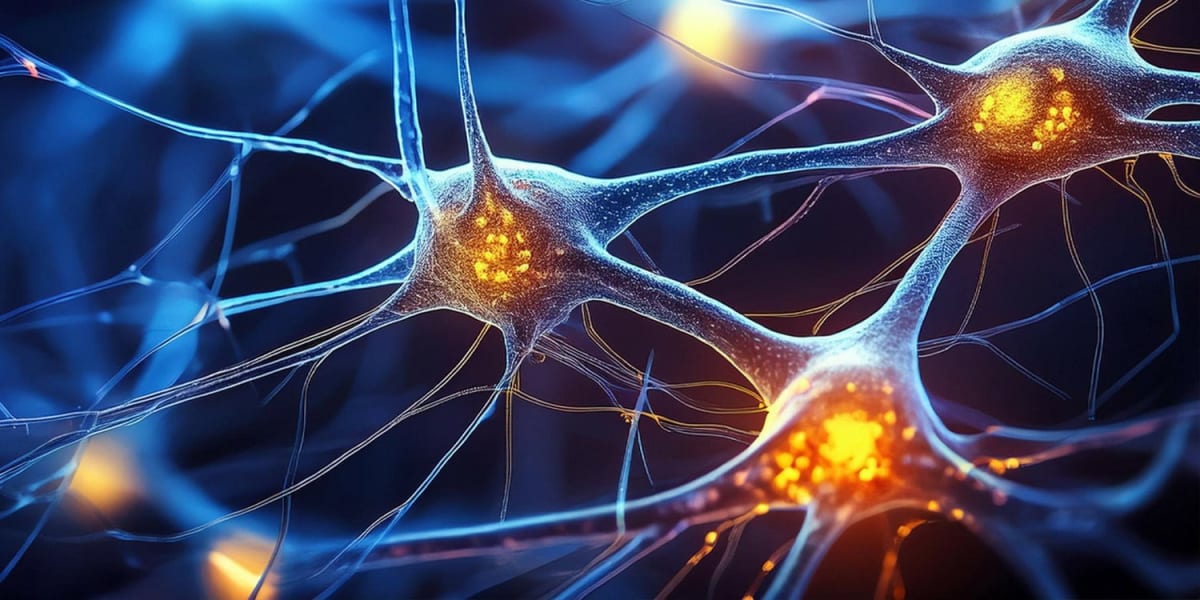
The scientists found the missing link in the brain. A cluster of specialized neurons called hypocretin neurons went into overdrive during high blood pressure, flooding the heart with stress signals. These brain cells have a specific receptor that normally responds to indole-3 acetic acid from the gut, acting like a brake pedal on the stress response.
When the researchers gave stressed fish supplements of indole-3 acetic acid directly into their digestive tracts, the results were remarkable. The fish maintained normal blood pressure and healthy heart function despite the stressful conditions. Their heart muscle cells stayed the right size, and their hearts continued relaxing properly between beats.
The molecule worked by calming down those overactive brain neurons. When scientists blocked the receptor that detects indole-3 acetic acid, the protective effects vanished completely, confirming the exact pathway from gut to brain to heart.
Why This Inspires
This research transforms how we understand heart health. High blood pressure affects 1.3 billion people worldwide, and heart failure remains a leading cause of death. Instead of just treating symptoms with blood pressure medications, doctors might one day restore the body's own protective signals.
The study also validates what many researchers suspected: our gut bacteria do far more than digest food. They produce molecules that travel through our bloodstream and talk to distant organs, including the brain, creating a sophisticated internal communication network we're only beginning to understand.
Principal investigator Suphansa Sawamiphak explained that hypertension involves complex interactions between the digestive, nervous and cardiovascular systems. By identifying the specific molecular messengers connecting these systems, scientists can now explore targeted treatments that work with the body's natural defenses rather than against them.
The discovery opens doors to probiotic therapies, dietary interventions or supplements designed to boost indole-3 acetic acid levels in people with high blood pressure. Clinical trials in humans will determine whether this gut-brain-heart connection works the same way in people as it does in fish.
For now, the research offers hope that nature already equipped us with powerful heart protection, and science is learning how to turn it back on.
Based on reporting by Google News - Scientists Discover
This story was written by BrightWire based on verified news reports.
Spread the positivity!
Share this good news with someone who needs it