Gut Bacteria Talk Directly to Human Cells, Study Finds
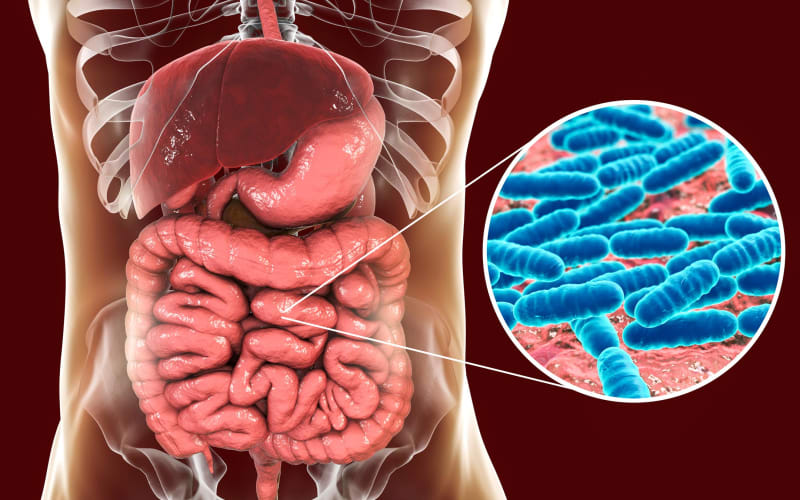
Scientists have discovered that healthy gut bacteria can inject their own proteins directly into human cells, actively shaping immune responses in ways never seen before. This groundbreaking find could explain why certain gut microbiome changes are linked to diseases like Crohn's.
Your gut bacteria are doing something remarkable that scientists just discovered: they're talking directly to your cells by injecting proteins into them.
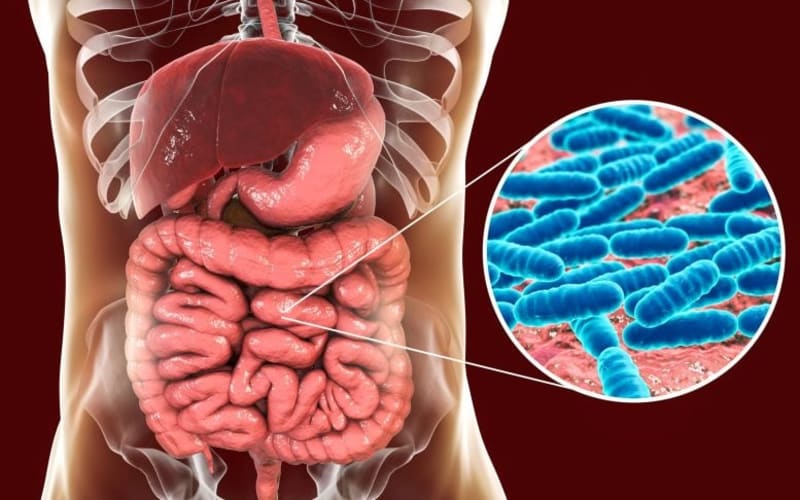
Researchers at Helmholtz Munich found that common, harmless bacteria living in healthy human guts have tiny molecular structures that work like microscopic syringes. These structures let bacteria deliver their own proteins straight into human cells, where they can influence how your immune system responds.
Until now, scientists thought only disease-causing bacteria like Salmonella had these injection systems. Finding them in friendly gut bacteria changes everything we thought we knew about how microbes interact with our bodies.
"This fundamentally changes our view of commensal bacteria," says Prof. Pascal Falter-Braun, who led the study published in Nature Microbiology. "It shows that these non-pathogenic bacteria are not just passive residents but can actively manipulate human cells."
The team mapped over a thousand interactions between bacterial proteins and human proteins to understand what these injected molecules actually do. They found that bacterial proteins specifically target pathways involved in immune regulation and metabolism, including signals that control inflammation.
This discovery offers the first concrete mechanism explaining how gut bacteria might contribute to inflammatory bowel diseases. The researchers found that genes for these injection proteins are more common in the microbiomes of people with Crohn's disease.
For years, doctors have known that gut bacteria populations look different in people with inflammatory conditions, but they couldn't explain why. This study shifts the conversation from simple correlation to actual biological cause.
The Bright Side
This breakthrough opens doors to entirely new treatment approaches. If scientists can understand exactly which bacterial proteins help or harm immune responses, they could develop targeted therapies that work with your microbiome rather than against it.
The discovery also raises fascinating evolutionary questions. Did these injection systems originally help bacteria and humans coexist peacefully, only to be hijacked later by harmful pathogens? Or did friendly bacteria adapt pathogenic tools for beneficial purposes?
The research team is now working to understand how individual bacterial proteins function in specific tissues and disease contexts. Their goal is translating these insights into precise prevention and treatment strategies for inflammatory diseases.
What started as a question about correlation has become a roadmap for understanding one of the most direct ways our microscopic passengers shape our health.
More Images
Based on reporting by Google News - Scientists Discover
This story was written by BrightWire based on verified news reports.
Spread the positivity!
Share this good news with someone who needs it