Gut Health Linked to Brain Protection, Harvard Study Shows
Scientists are discovering your gut bacteria may hold the key to preventing Alzheimer's and Parkinson's decades before symptoms appear. New research reveals how trillions of microbes in your digestive system communicate directly with your brain.
Your gut might be your brain's best friend, and scientists are just beginning to understand how powerful that friendship really is.
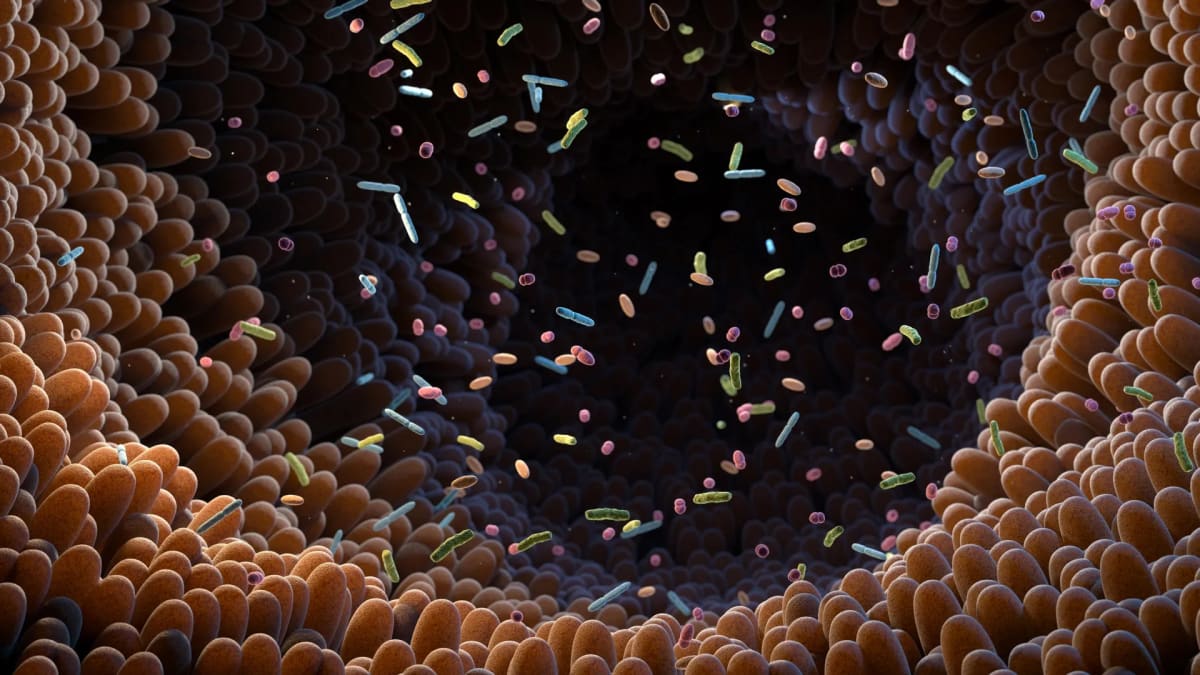
Dr. Laura Cox, a researcher at Harvard Medical School and Brigham and Women's Hospital, studies the trillions of microbial cells living in our digestive systems. These tiny organisms do far more than help us digest food. They produce vitamins, train our immune systems, and send signals directly to our brains through metabolism and immune pathways.
Her team is uncovering exciting connections between gut health and neurodegenerative diseases. The findings could change how we think about preventing conditions like Alzheimer's and Parkinson's.
Take Parkinson's disease, where the evidence is particularly strong. Cox explains that constipation symptoms can appear 20 years before a Parkinson's diagnosis. The misfolded proteins that cause the disease may actually start in the gut and travel up the vagus nerve to the brain.
Even more promising, researchers have found that GLP-1 drugs, currently used for diabetes and weight management, might help prevent Alzheimer's disease. These medications affect the gut barrier and immune interactions while having direct effects on the brain. Since researchers sometimes call Alzheimer's "Type 3 diabetes" due to its connection with insulin resistance, early intervention with GLP-1s could offer protection years before disease onset.
The research extends beyond disease prevention into everyday health. Cox's team discovered that pregnant mothers develop gut bacteria similar to their babies, with higher levels of beneficial bacteria like those found in yogurt. During breastfeeding, mothers may even respond to their infants' changing needs by adjusting their milk composition throughout the day.
Morning breast milk contains more cortisol to help babies stay alert, while evening milk has higher melatonin levels to promote sleep. Mothers who pump can now label their milk by time of day to help regulate their baby's sleep patterns.
Why This Inspires
This research represents a fundamental shift in how we understand brain health. Instead of waiting for diseases to develop, we might prevent them by nurturing the ecosystem in our guts. Cox's work suggests we can move beyond generic health advice toward personalized treatments based on what each person's unique microbiome is producing or lacking. The idea that we can influence our neurological health through something as accessible as diet and gut health offers hope that's both scientifically grounded and practically achievable.
The best news? Scientists are working on ways to analyze your specific gut microbiome to create targeted interventions, bringing us closer to truly personalized medicine that keeps both your gut and brain healthy for decades to come.
Based on reporting by Google News - Health
This story was written by BrightWire based on verified news reports.
Spread the positivity!
Share this good news with someone who needs it