Gut Health Treatment Shows Promise for Kids with Autism
New research explores how resetting gut bacteria may help children with autism manage digestive issues and behavioral symptoms. Early results show up to 80% reduction in gastrointestinal distress, though experts urge caution.
When S. Hameed's eight-year-old son struggled with severe constipation, food intolerance, and anxiety alongside his autism, she discovered an unexpected treatment option: resetting his gut bacteria.
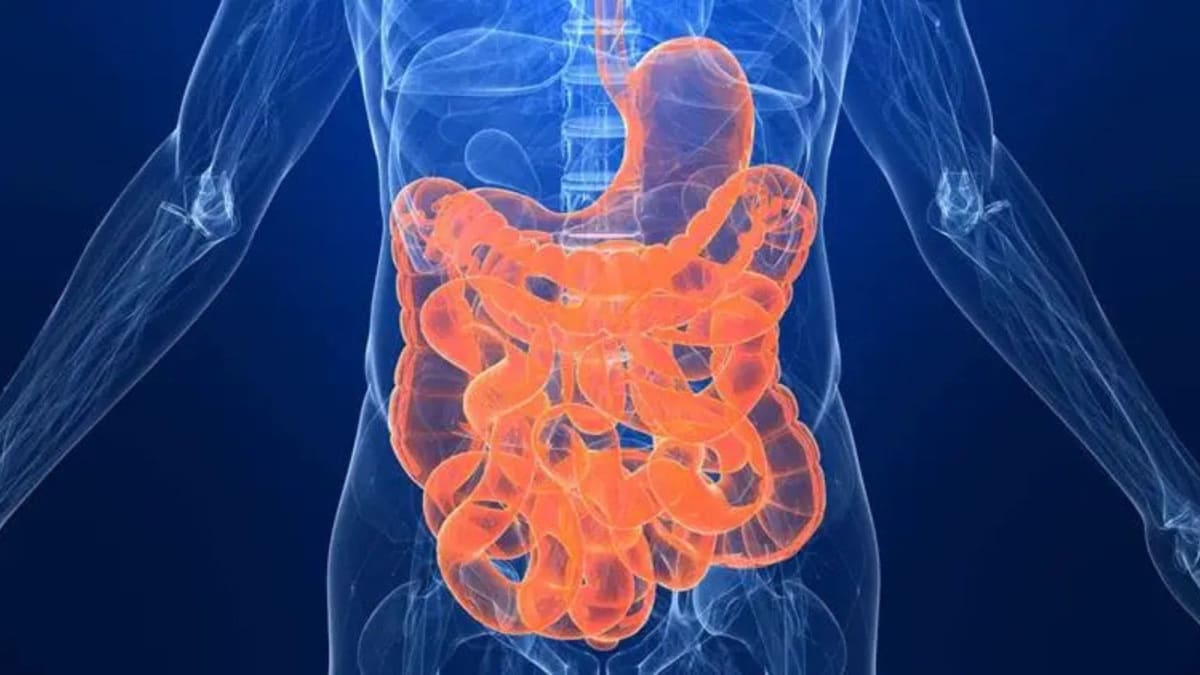
Last September, the Canada-based mother brought her son to a Hyderabad research facility for fecal microbiota transplantation (FMT), a procedure that transfers healthy gut bacteria from donors to patients. The results surprised her. "His constipation has reduced, he is calmer and his eating has improved," she says.
Her experience reflects growing scientific interest in the gut-brain connection for children with autism, a neurodevelopmental condition affecting social interaction and communication. Researchers are discovering that the two-way highway between our digestive system and brain might hold new answers for managing autism symptoms.
Dr. Chandrasekhar Thodupunuri from the Resplice Autism Research Foundation explains that children with autism frequently deal with constipation, bloating, and food sensitivities. These gut problems can worsen behavioral symptoms and significantly impact daily life.
The science behind this connection is fascinating. Gut bacteria produce essential brain chemicals like serotonin, dopamine, and GABA. Beneficial strains like Bifidobacterium and Lactobacillus help regulate mood, focus, and social behavior by protecting the brain barrier and reducing inflammation.
The vagus nerve acts as a superhighway carrying signals from gut to brain, directly influencing emotions and social processing. When harmful bacteria overgrow, they release toxins that enter the bloodstream and reach the brain, potentially affecting development in young children.
The Bright Side
Early studies of FMT show genuine promise. Preliminary observations from 56 children at the Hyderabad center suggest real improvements in gut health, with some research indicating up to 80% reduction in digestive distress and lasting gains in social interaction and communication. These findings are currently registered with the Indian Council of Medical Research and awaiting peer review.
Better gut health appears to create a positive cascade. Improved digestion enhances nutrient absorption, energy levels, and sleep quality, which can reduce anxiety and irritability in children already facing daily challenges.
However, medical experts emphasize careful optimism. Dr. Nitin Chawla, Head of Pediatrics at KIMS Gachibowli, notes that autism is complex with genetic and environmental factors. "While early observations suggest FMT may offer benefits including improvements in behavior and sleep, the data has not yet undergone sufficient scientific scrutiny," he explains.
Risks exist too. FMT requires strict donor screening and protocols to prevent infection. Since autism exists on a spectrum, responses to any intervention vary widely among children.
Researchers are also examining whether environmental factors like agrochemical exposure during pregnancy might influence early brain development and gut bacteria formation. These disruptions could be linked to digestive conditions sometimes seen in children with autism.
The work continues to balance hope with scientific rigor, seeking treatments that genuinely improve quality of life for families navigating autism's daily challenges.
Based on reporting by Indian Express
This story was written by BrightWire based on verified news reports.
Spread the positivity!
Share this good news with someone who needs it