Gut Test Predicts Parkinson's Years Before Symptoms
Scientists discovered a simple gut bacteria test can reveal Parkinson's risk years before tremors begin. The breakthrough could help millions catch the disease early enough to slow its progression.
Imagine catching Parkinson's disease before a single tremor appears. Scientists at University College London just made that possibility real with a gut bacteria test that spots warning signs years ahead of symptoms.
The research team analyzed gut microbes from over 1,400 people across the UK, Korea, Turkey, and Italy. They found that 176 different bacterial species showed distinctive patterns in people with Parkinson's compared to healthy individuals.
Here's what makes this truly exciting: people carrying a high-risk gene variant but showing zero symptoms already had gut microbiomes resembling an early stage of Parkinson's. Their bacterial makeup fell somewhere between perfectly healthy individuals and those with active disease.
Professor Anthony Schapira, who led the study published in Nature Medicine, explains the urgency. Parkinson's is now the fastest-growing neurodegenerative disease worldwide in both cases and deaths. Current treatments can only manage symptoms once they appear, but researchers desperately need ways to intervene earlier.
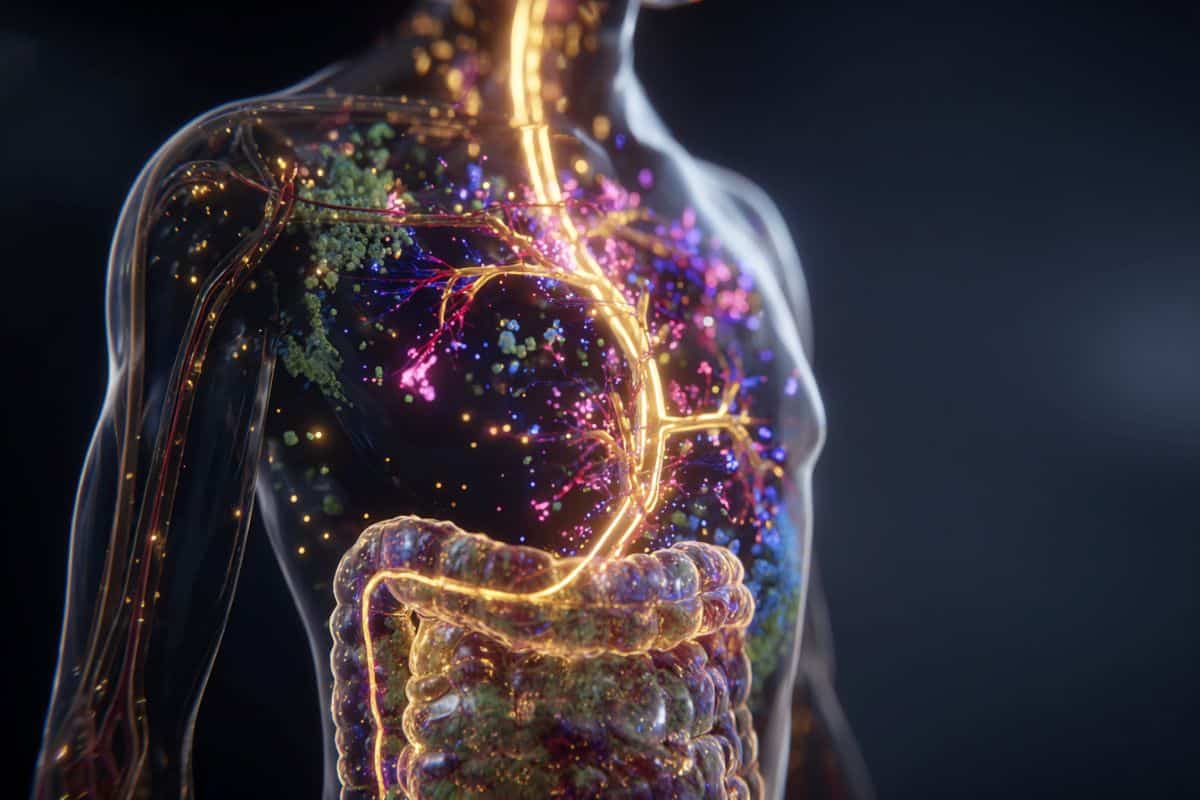
The gut-brain connection strengthens with each new study. This research confirms that changes in digestive tract bacteria aren't just a side effect of Parkinson's. They're an early warning system flashing red long before the brain shows obvious damage.
The findings held up across dramatically different populations, proving diet and cultural differences don't erase the signature. A small number of seemingly healthy control participants also showed the risky bacterial pattern, suggesting they might develop Parkinson's later without knowing their current risk.
Diet emerged as a potential protective factor too. People eating more balanced, varied meals were less likely to have gut microbiomes suggesting elevated Parkinson's risk. This hints that simple dietary changes might help prevent the disease.
The Ripple Effect
UCL researchers are already testing whether targeting gut bacteria can slow Parkinson's progression. Some trials involve repurposing common cough medicines to alter these critical pathways.
If gut testing becomes standard screening, millions could receive early support before disability sets in. People at risk could try protective dietary changes, join clinical trials for preventive treatments, or simply plan their futures with more information.
The research opens doors researchers barely knew existed a decade ago. Understanding which bacteria protect against Parkinson's and which promote it could lead to probiotic treatments, targeted medications, or personalized diet plans that keep the disease from ever taking hold.
A simple stool sample might soon become as routine as checking blood pressure, giving people the chance to fight back before Parkinson's lands its first blow.
More Images



Based on reporting by Google News - Health
This story was written by BrightWire based on verified news reports.
Spread the positivity!
Share this good news with someone who needs it