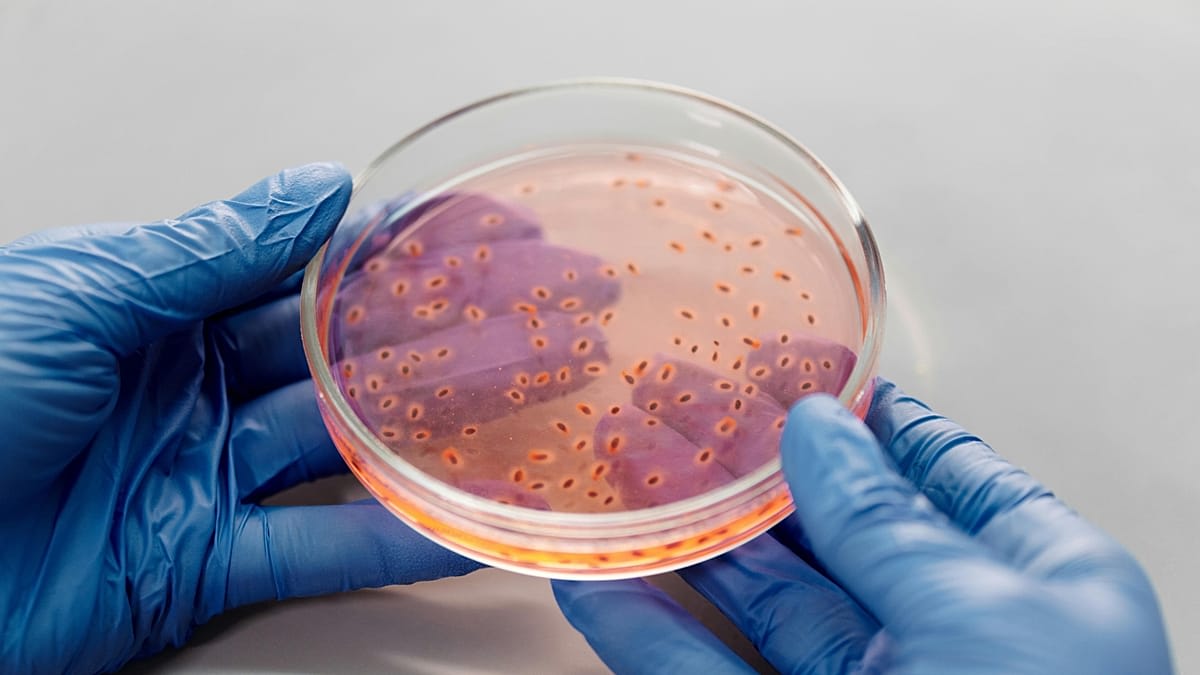
Gut Viruses Evolve New Defense Against Superbugs
Scientists discovered that some gut viruses deliberately generate genetic diversity to outsmart bacteria, opening a promising new path in the fight against drug-resistant infections. The finding could help make treatments work better when antibiotics fail.
Imagine if a virus could change its own genetic code on purpose to stay one step ahead of its enemy. Scientists just discovered that's exactly what some viruses in your gut are doing, and it could help us win the war against superbugs.
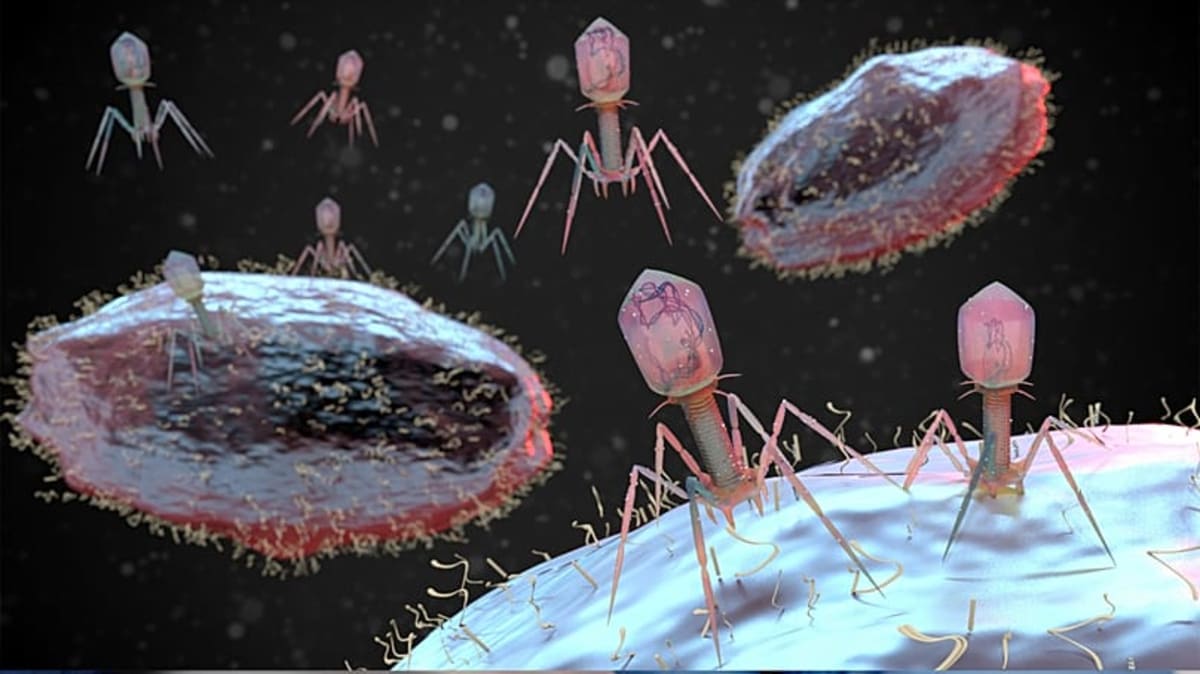
Researchers at Michigan State University found that bacteriophages (viruses that kill bacteria but leave human cells alone) can rapidly create genetic variations among their offspring. Instead of producing identical copies of themselves, these viruses make a diverse collection of offspring with different traits, boosting the odds that some will survive when bacteria fight back.
The discovery happened almost by accident. The team was studying how E. coli bacteria defend themselves against phage T2, a virus that normally infects them. They gave the bacteria a defense system that could recognize and destroy the virus's DNA.
But the protection didn't last. Within hours, the phages started winning again, and the researchers couldn't figure out why.
When they sequenced the resistant viruses, they found the answer. Certain regions of the phage genome acted as genetic "hotspots" that mutated thousands of times faster than the rest of their DNA. These hotspots allowed the viruses to repeatedly alter key genes as they replicated.
"Instead of hijacking their hosts to mass produce exact copies of themselves, they are actually using these mutation hotspots to make a zoo," said Chris Waters, a faculty member in Michigan State's Ecology, Evolution, and Behavior program. The viruses were essentially hedging their bets.
The researchers found similar mutation hotspots in other E. coli phages too, suggesting this evolutionary trick is widespread among gut viruses.
Why This Inspires
This research arrives at a crucial moment. As antibiotic-resistant infections become harder to treat, scientists are desperately searching for alternatives. Phage therapy (using viruses to kill bacteria) was popular in the 1920s but fell out of favor when antibiotics became available.
Now it's making a comeback. Unlike antibiotics that kill good and bad bacteria alike, phages can target specific bacterial strains with precision. The problem has been that bacteria can evolve resistance to phages just like they do to drugs.
But understanding how phages naturally overcome bacterial defenses could change the game. Scientists might be able to exploit these evolutionary strategies to make phage treatments more resilient and effective.
"If we can harness these kinds of evolutionary tricks, we might be able to make more effective phage therapies in response to the antibiotic resistance crisis," Waters said.
The team acknowledges that resistance will never disappear completely. But by understanding how bacteria protect themselves and how phages fight back, scientists might be able to minimize it significantly.
What started as a puzzle about why viruses kept winning has turned into a potential blueprint for saving lives.
More Images



Based on reporting by Euronews
This story was written by BrightWire based on verified news reports.
Spread the positivity!
Share this good news with someone who needs it