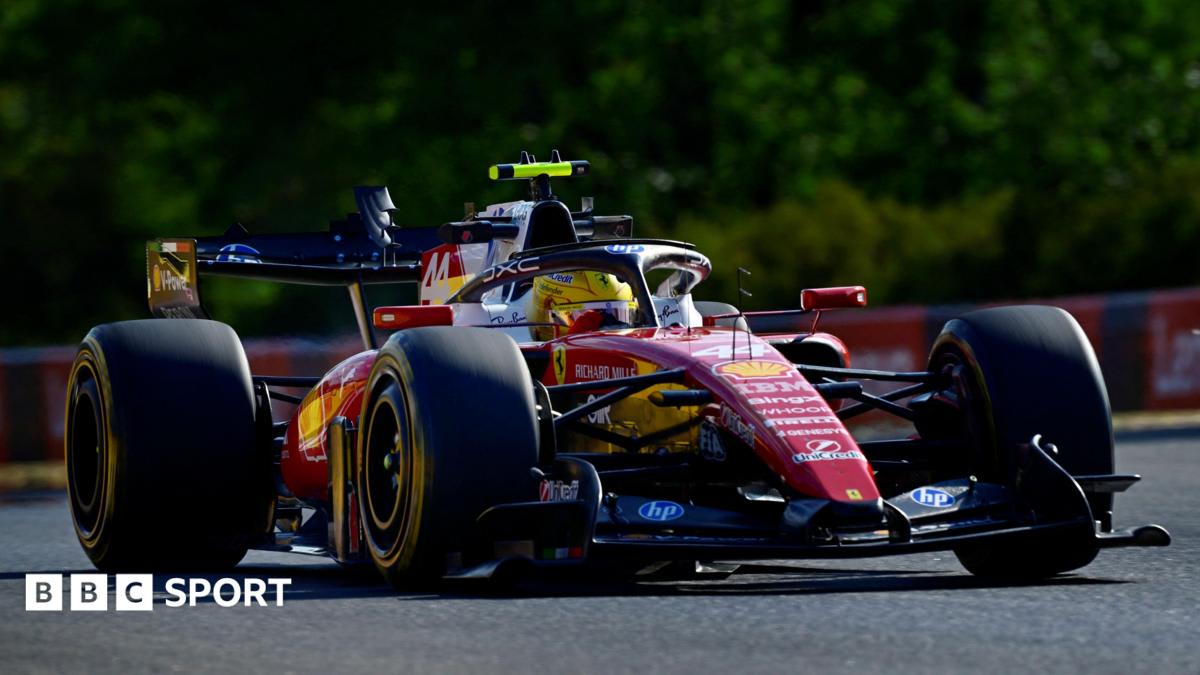
Hamilton Ditches Simulator, Gets Best Ferrari Finish
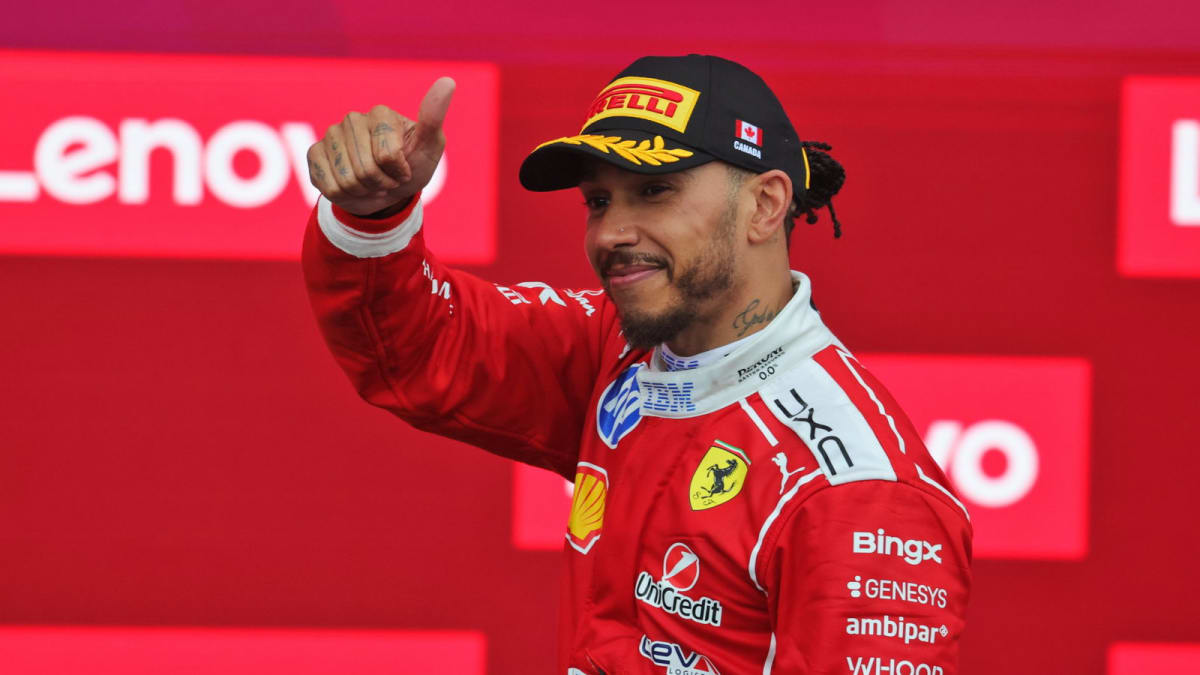
Lewis Hamilton snagged second place in Montreal after trusting his instincts over high-tech training tools. The racing legend's old-school approach paid off in his strongest Ferrari weekend yet.
At 41 years old, seven-time world champion Lewis Hamilton just proved that sometimes experience beats technology.
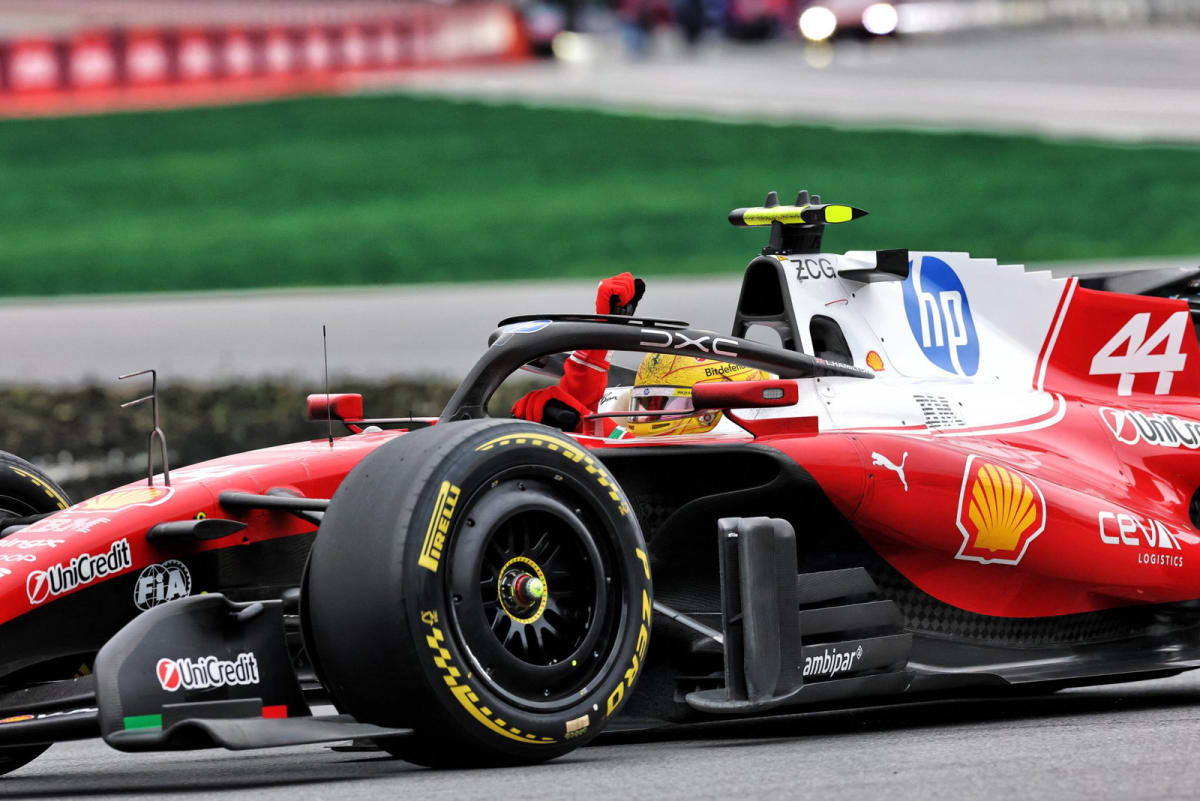
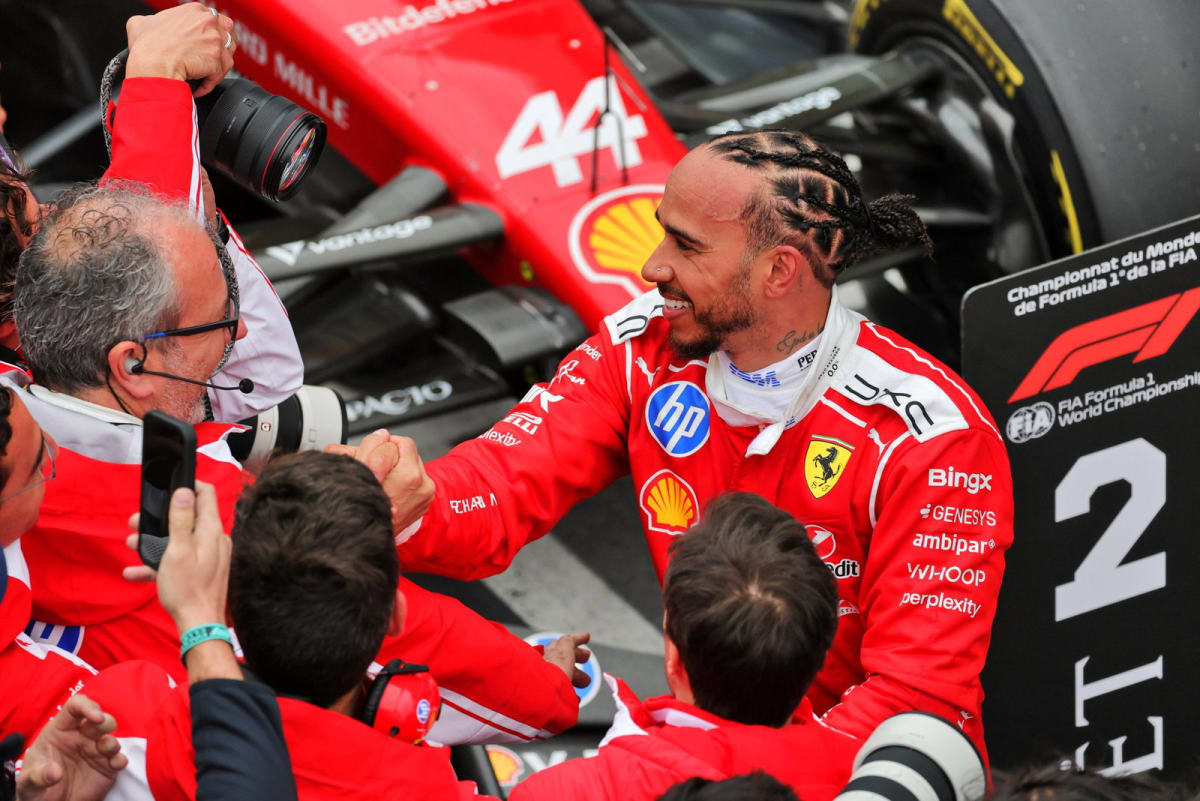
The British racing icon claimed his best finish as a Ferrari driver at the Canadian Grand Prix in Montreal, taking second place after overtaking rival Max Verstappen in the final laps. But the real story isn't what happened on the track. It's what Hamilton didn't do before the race.
For the first time this season, Hamilton skipped Ferrari's advanced racing simulator entirely. Instead, he relied on his two decades of Formula 1 experience and close collaboration with his race engineer to prepare for the weekend.
"The two best races I've had, I didn't use a simulator," Hamilton explained after the race. "I'm old school. I'm probably better without it."
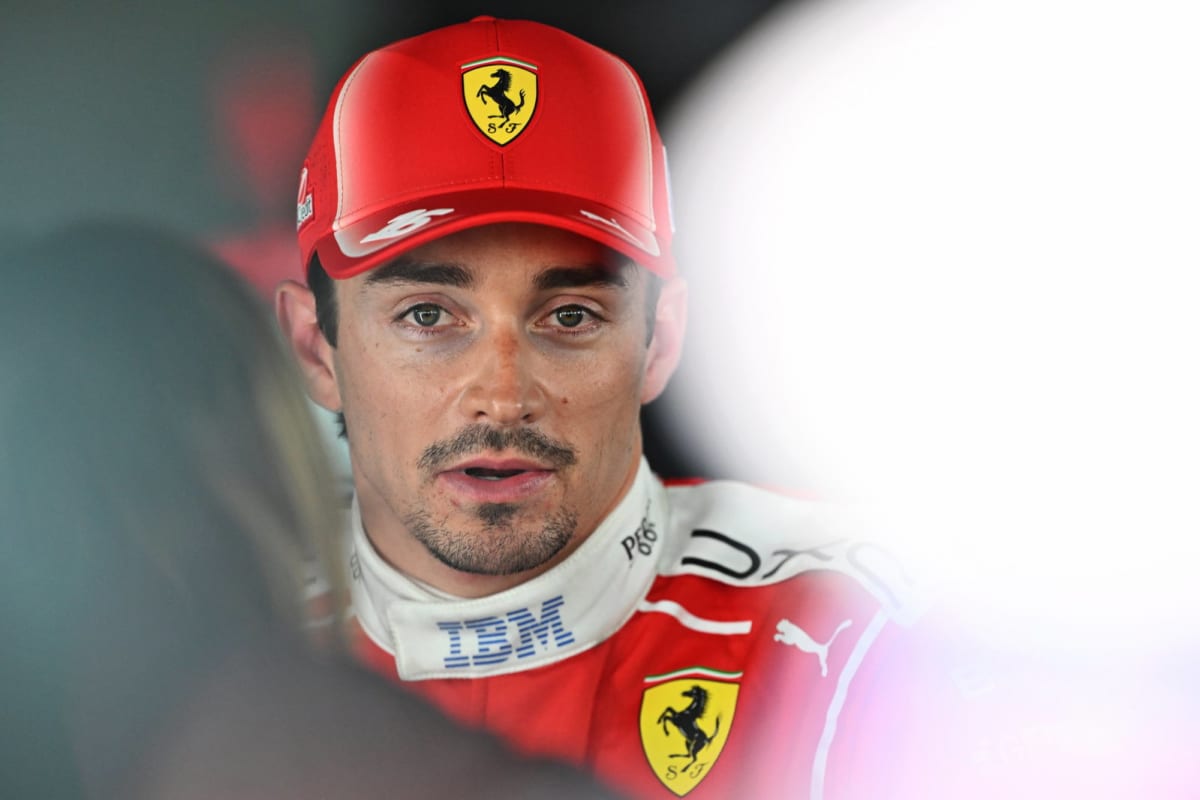
The gamble worked spectacularly. Hamilton outperformed his Ferrari teammate Charles Leclerc throughout the entire weekend and led the team's charge from fifth position on the starting grid. He described the experience as having "so much fun out there" during every single lap.
Why This Inspires
Hamilton's success sends a powerful message about trusting yourself, even when cutting-edge tools are available. After what he called a "rollercoaster" 17 months at Ferrari, the veteran driver had to dig deep and request significant changes to his preparation routine.
Team principal Fred Vasseur supported Hamilton's unconventional approach, "moving mountains" to make his driver comfortable. That trust between old-school intuition and team flexibility created the breakthrough Hamilton needed.
The racer isn't completely dismissing simulators forever. He sees potential value in using them for data correlation after real races, helping improve the technology for future drivers. But for his own race prep, Hamilton is sticking with what brought him seven world championships.
"It's not a necessity," he said about simulator training. "It's a tool that can be powerful. But for me, I'm old school."
His engineer and support team worked through mountains of data to find the perfect car setup, proving that human collaboration and experience can still outperform pure technology. Hamilton finally felt able to "attack all the corners" with confidence he'd been missing.
This weekend marks a turning point for Hamilton at Ferrari, showing that sometimes the best innovation is knowing when to trust the wisdom you've already earned.
More Images
Based on reporting by Google News - Canada Breakthrough
This story was written by BrightWire based on verified news reports.
Spread the positivity!
Share this good news with someone who needs it