Hamirpur Artisans Keep 100-Year-Old Shoe Craft Alive
In a small Uttar Pradesh town, craftsmen like Shyam Babu are preserving a century-old tradition of handmade leather shoes that can be worn on either foot. Their Nagra jutis tell a story of cultural identity stitched into every pair.
In Sumerpur, a town in Hamirpur district, Uttar Pradesh, skilled hands are keeping a dying art alive one shoe at a time.
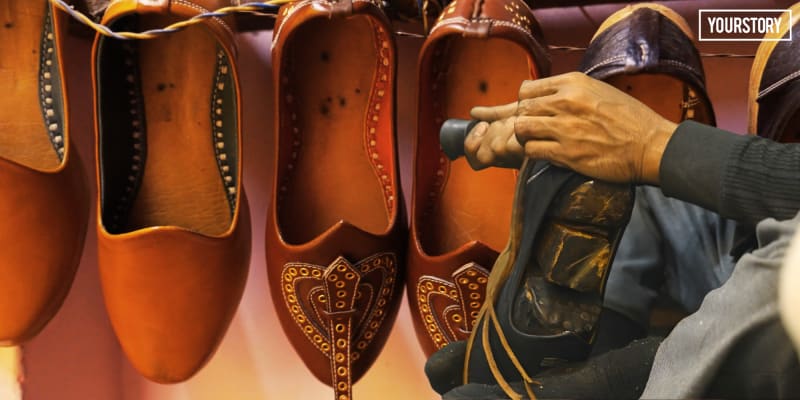
Shyam Babu and fellow artisans craft Nagra jutis, traditional handmade leather shoes that have defined the region's identity for generations. Unlike mass-produced footwear, each pair is cut, stitched, shaped, and finished entirely by hand using techniques passed down through families.
The shoes carry a unique feature that sets them apart: they have no left or right foot. The traditional straight design means wearers can slip either shoe on either foot, a practical choice rooted in generations of craftsmanship.
The making process is meticulous and unchanged by time. Artisans start by selecting thick hides for soles and softer goat or sheep leather for uppers. They trace patterns based on size, cut the pieces, then carefully stitch the upper to the sole.
Each pair is placed on a wooden frame to hold its shape, pressed for structure, then smoothed and detailed by hand. While older versions were heavy and built for rough terrain, modern Nagra jutis are lighter and more comfortable for everyday wear without losing their traditional character.
Skills aren't learned in classrooms but absorbed at home through watching, practicing, and repeating. Young craftsmen grow up seeing their fathers and grandfathers work the leather, their hands memorizing each step before they ever make their first pair.
The craft faces modern challenges. Raw materials now come from distant markets in Agra, Kanpur, and Jalandhar rather than local sources. This dependence on external supply chains adds vulnerability to an already fragile livelihood.
The Ripple Effect
Recognition under India's One District One Product (ODOP) program has given Nagra jutis new visibility through exhibitions and promotional platforms. The framework helps connect these artisans with buyers beyond their immediate region, creating pathways to markets that once seemed unreachable.
For Shyam Babu, the craft's survival depends on two things: steady demand and fair earnings. When craftsmen can make a living wage, the next generation sees value in continuing the tradition rather than abandoning it for factory work.
Each pair of Nagra jutis carries more than just craftsmanship. It carries cultural continuity, family legacy, and the quiet determination of artisans who choose tradition in a world racing toward automation.
The shoes may be designed without left or right, but the path forward for these artisans is clear: preserve the skill, adapt to comfort, and trust that buyers will recognize authenticity when they see it.
More Images

Based on reporting by YourStory India
This story was written by BrightWire based on verified news reports.
Spread the positivity!
Share this good news with someone who needs it