Harvard Scientists Find 3 Ways to Age Healthier
Scientists at Harvard are uncovering real ways to help people stay healthier as they age, from intermittent fasting to social connection. The research could transform how we experience our later years.
Growing old doesn't have to mean growing sick, and Harvard researchers are proving it with breakthroughs that could change everything about aging.
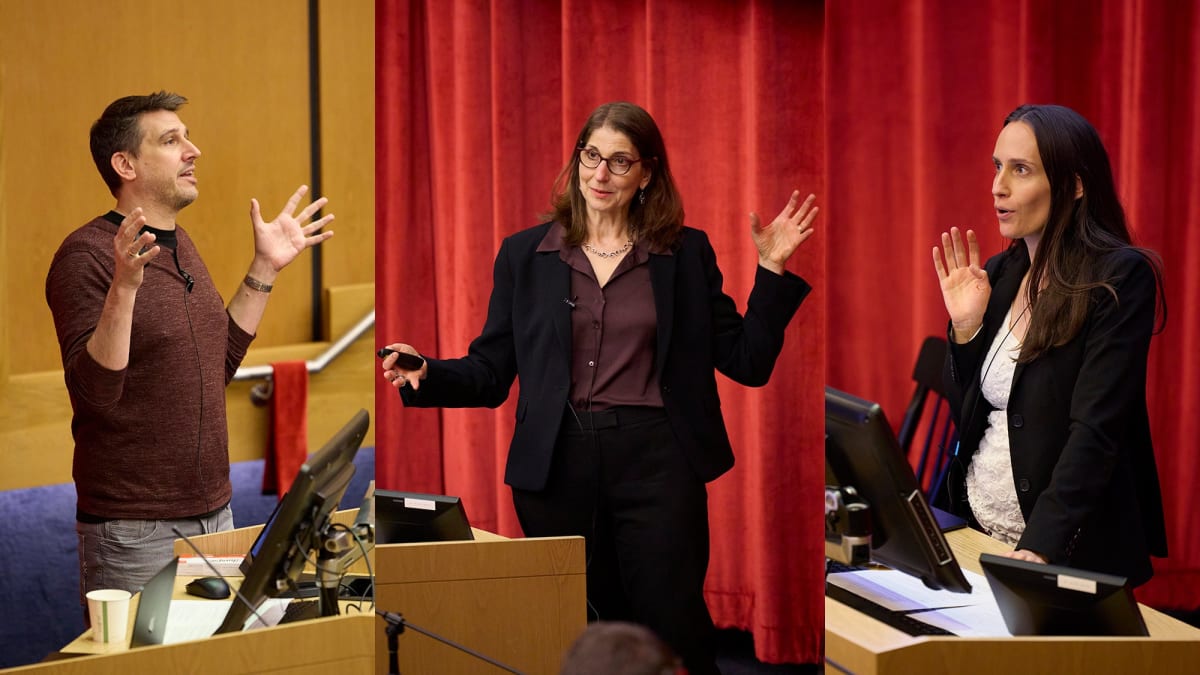
At a groundbreaking seminar in May, three Harvard scientists from totally different fields shared how their work is converging on the same exciting truth: we can do something about aging. They're not just adding years to life but life to years.
William Mair studies tiny worms that normally live two weeks. By tweaking their metabolism, he's extended their lifespan to 10 weeks while keeping them youthful and energetic for most of that time. The worms share similar genes with humans, making them perfect for understanding what really drives aging at the cellular level.
His lab focuses on metabolic flexibility, which is your body's ability to switch between burning carbs when you eat and burning fat when you fast. This flexibility works great when you're young but falters as you age. Mair believes restoring this switch could prevent many age-related diseases.
Courtney Peterson is taking that research from worms to humans with real clinical trials. She studies intermittent fasting, where people eat only during certain hours each day. After fasting for at least 14 hours, your body flips what she calls "the metabolic switch" and starts burning fat for fuel.
The results are promising. People lose 5 to 7 percent of their body weight over six to 12 months, but more importantly, they see improvements in blood pressure, blood sugar levels, and metabolic flexibility. Peterson is now planning a five-year study across multiple U.S. centers to test whether these dietary changes can actually slow the aging process itself.
Laura Kubzansky adds a crucial piece to the puzzle: your social life matters just as much as your diet. She studies how loneliness, depression, and social connection affect aging at the biological level. Her research shows that the quality of your relationships and emotional wellbeing directly influence how your body ages.
Why This Inspires
This isn't science fiction or empty promises about anti-aging creams. Three researchers from completely different fields are arriving at the same destination from different paths, and they're all finding real, actionable ways to age better.
Dean Jorge Chavarro called it "a great opportunity to move beyond silos" and build something greater together. That collaboration is exactly what makes this exciting. When a molecular biologist, a nutrition scientist, and a social scientist all point toward similar solutions, it's worth paying attention.
The goal isn't just living longer but staying independent, healthy, and vibrant well into old age.
What started with two-week-old worms could soon help millions of people enjoy their golden years with energy and health to spare.
More Images



Based on reporting by Google News - Researchers Find
This story was written by BrightWire based on verified news reports.
Spread the positivity!
Share this good news with someone who needs it