Hawaii Charts Path to Clean Energy Without Fossil Fuels
Hawaii is proving islands can ditch fossil fuels for good, using sunshine at home and imported clean fuels for planes and ships. The state's new energy plan shows how to decarbonize everything from homes to tourism without relying on natural gas.
📺 Watch the full story above
Hawaii just mapped out how to power an island paradise without burning the planet, and the blueprint is surprisingly straightforward.
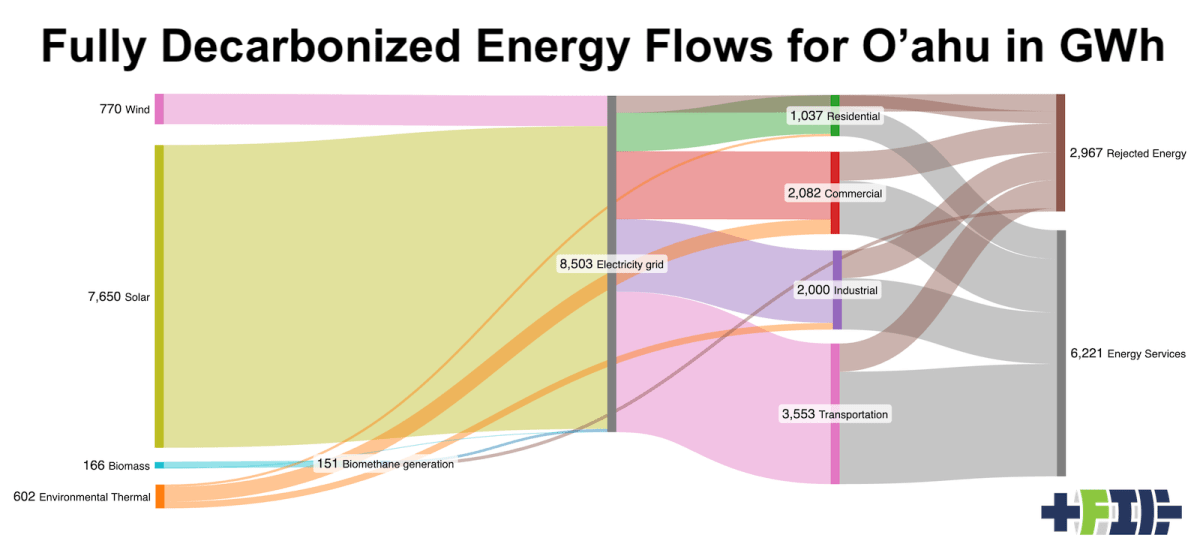
The Aloha State's latest energy strategy tackles the trickiest part of going green: keeping planes flying and ships moving while ditching fossil fuels everywhere else. On Oahu, the plan calls for solar panels to handle most electricity needs, with batteries storing sunshine for nighttime use and a small biomethane backup for emergencies.
The domestic grid part is nearly solved. Homes, buildings, cars, and local boats can all run on electricity generated from sun and wind. The real challenge comes from long-haul flights and cargo ships that cross oceans, because those still need energy-dense liquid fuels.
Here's where Hawaii's approach gets clever. The state is separating problems that are often lumped together. Natural gas keeps getting pitched as a catch-all solution, but Hawaii's planners realized it only makes sense for some uses, and not the ones that matter most for cutting carbon.
For cargo ships arriving with goods, the answer is hybrid engines running on clean alcohols like biomethanol or ethanol. Since fuel costs spread across thousands of tons of cargo, slightly pricier clean fuel barely affects the price of imported products. Ships can also add batteries to cut fuel use before even switching fuel types.
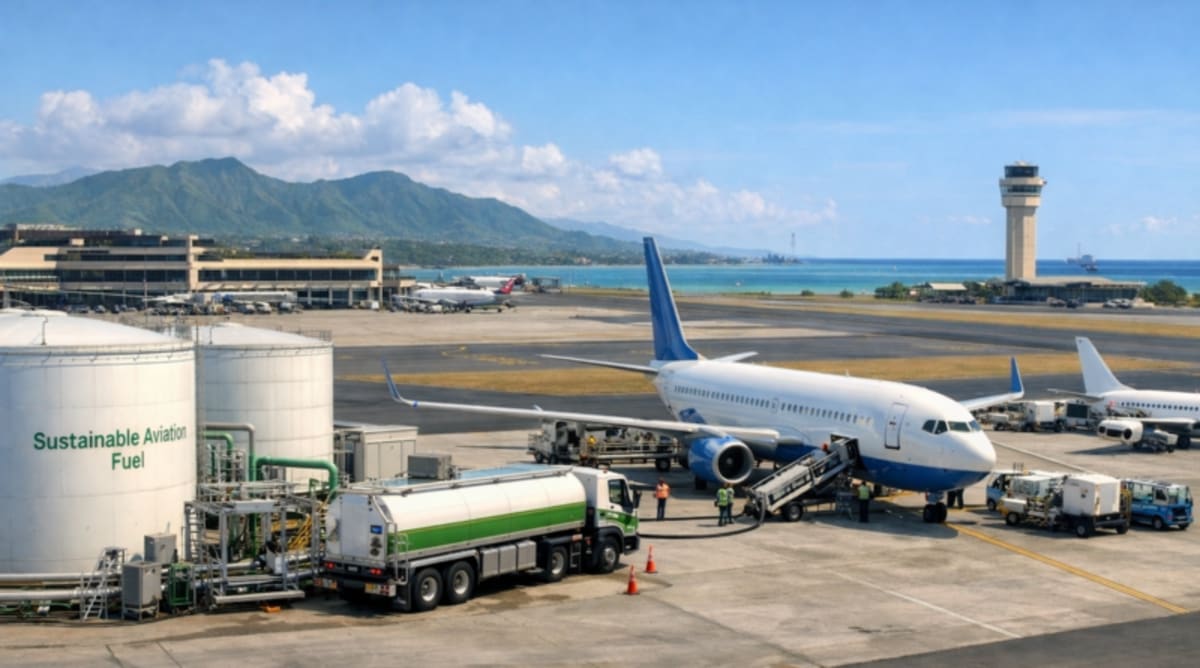
Aviation tells a different story. Planes can't run on batteries for trips from the mainland, and hydrogen creates too many safety and storage headaches. That leaves sustainable aviation fuel, which costs more but works in existing planes without modification.
Why This Inspires
Hawaii's plan matters far beyond its shores. Every coastal region and island nation faces the same puzzle: how to stay connected to the world while protecting the climate. By treating different transportation needs separately rather than forcing one solution everywhere, Hawaii shows a path forward that's both practical and ambitious.
The state is even creating tax credits to support importing and blending sustainable aviation fuel at Honolulu Airport. That's important because tourism drives Hawaii's economy, and keeping flights affordable while going green requires planning now.
What makes this approach work is honesty about trade-offs. Clean shipping fuel might cost more, but it won't break the economy. Clean aviation fuel will definitely raise ticket prices, which could change who visits and when. Hawaiian leaders are thinking through these ripple effects instead of pretending they don't exist.
The natural gas industry has promoted LNG as a climate solution for ships, but real-world measurements show methane leaking from ship engines erases most carbon benefits. Hawaii looked at the evidence and chose a different path.
Solar panels soaking up Hawaiian sunshine, batteries charged and ready, sustainable fuels arriving by ship for outgoing planes—this is what energy independence actually looks like for an island in 2025. No fossil fuel dependency, no methane leaks, just clean power matched to each job.
Hawaii is proving that paradise doesn't have to choose between protecting its beauty and staying connected to the world.
More Images
Based on reporting by CleanTechnica
This story was written by BrightWire based on verified news reports.
Spread the positivity!
Share this good news with someone who needs it