Hawaii Court Protects Rare Bees, Pauses Resort Build
A state judge halted a luxury hotel project on Oahu's North Shore to protect seven species of native Hawaiian yellow-faced bees found nowhere else on Earth. The ruling marks a major conservation win, requiring developers to update their environmental review and safeguard the last wild coastal habitat for these endangered pollinators.
A tiny bee just saved one of Hawaii's last wild shorelines.
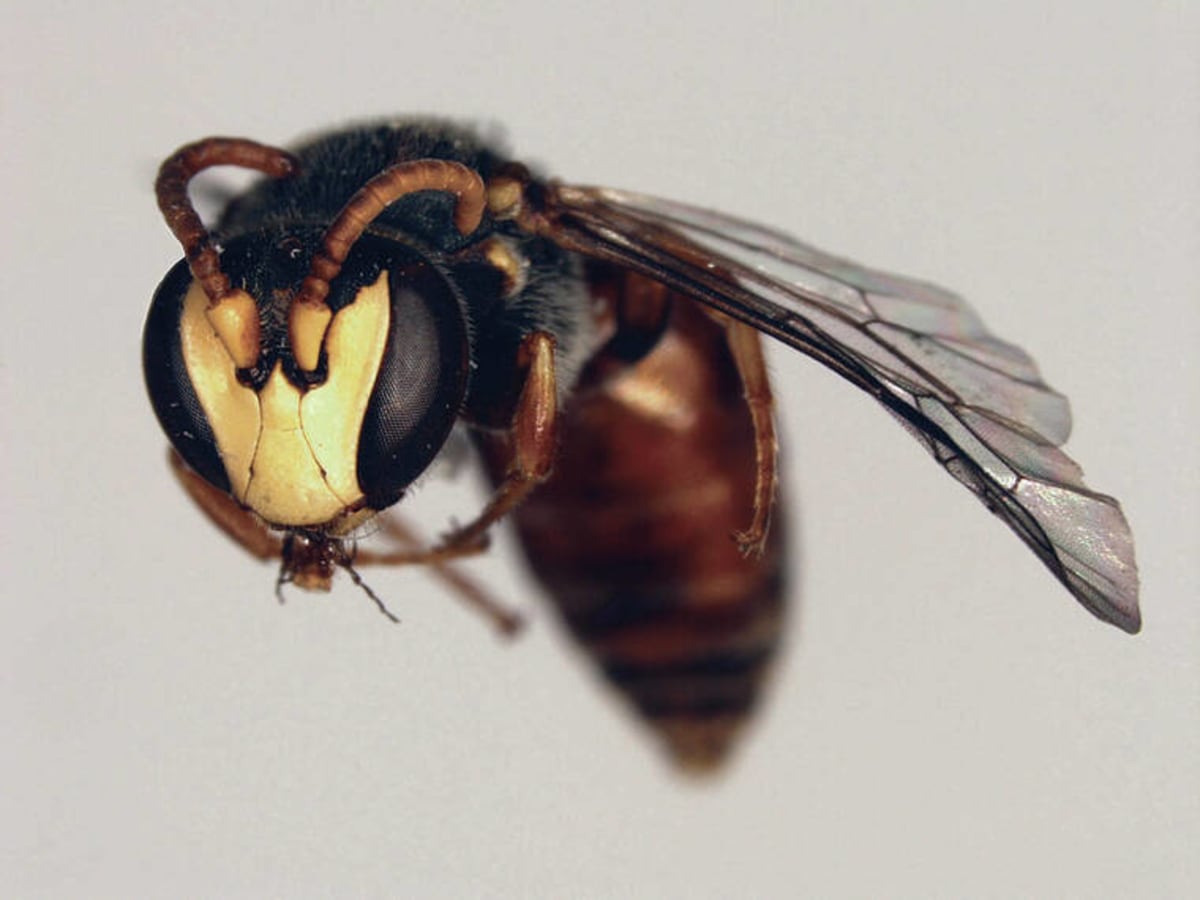
In a landmark decision on July 14, a Hawaiian state judge blocked construction of a 375-room hotel at Turtle Bay to protect the habitat of seven endangered yellow-faced bee species. These bees evolved only on Hawaii's islands and exist nowhere else in the world.
The bees made history in 2016 when they became the first bee species ever protected under the U.S. Endangered Species Act. Now they've made history again by stopping a major resort expansion.
The ruling centers on a five-mile coastal stretch near the Ritz-Carlton at Turtle Bay. This rare wild shoreline hosts endangered Hawaiian monk seals, threatened green sea turtles, albatross mating grounds, and crucial coastal dunes where the yellow-faced bees thrive.
The court found that Host Hotels and city officials failed to take a "hard look" at environmental changes since the last review 13 years ago. The old environmental impact statement didn't account for the bees' endangered status, increased wildlife sightings, or rising sea levels.
Earthjustice filed the lawsuit on behalf of conservation groups and community organizations. Their argument was simple: protecting endangered species habitat isn't optional, regardless of previous development agreements.
The judge ordered developers to prepare a new environmental study examining the full impact on the coastal conservation lands. The review will include public input, field studies, and evaluation by both city and state officials.
The Ripple Effect
The decision protects more than just bees. The 634 acres of coastal land and nearly 470 acres of agricultural land upstream shelter an interconnected web of rare Hawaiian wildlife. Native coastal plants like naupaka provide essential bee habitat while stabilizing dunes that protect seal pupping sites.
The win has inspired even more conservation action. On July 8, the Honolulu City Council approved spending up to $14 million to acquire a conservation easement on an additional 170 acres nearby. This land includes more of Oahu's last intact coastal dune ecosystems.
The Trust for Public Land and North Shore Community Land Trust proposed the purchase. Now the Office of Hawaiian Affairs plans to take ownership and stewardship of this culturally and ecologically significant area called Ke Kipuka O Kalaeuila.
Hawaii is known as "the endangered species capital of the world," home to more threatened and endangered species than any other U.S. state. This ruling sends a clear message that developers must account for endangered species protections, even on projects with previous approvals.
The court did allow some already-permitted construction to continue on the resort's Kahuku side. But the decision establishes that protecting rare wildlife takes precedence over development timelines.
For the tiny yellow-faced bees pollinating native flowers along Oahu's North Shore, their survival just became a little more certain.
More Images



Based on reporting by Google: species saved endangered
This story was written by BrightWire based on verified news reports.
Spread the positivity!
Share this good news with someone who needs it