Hawaii Eliminates Colon Cancer Screening Costs
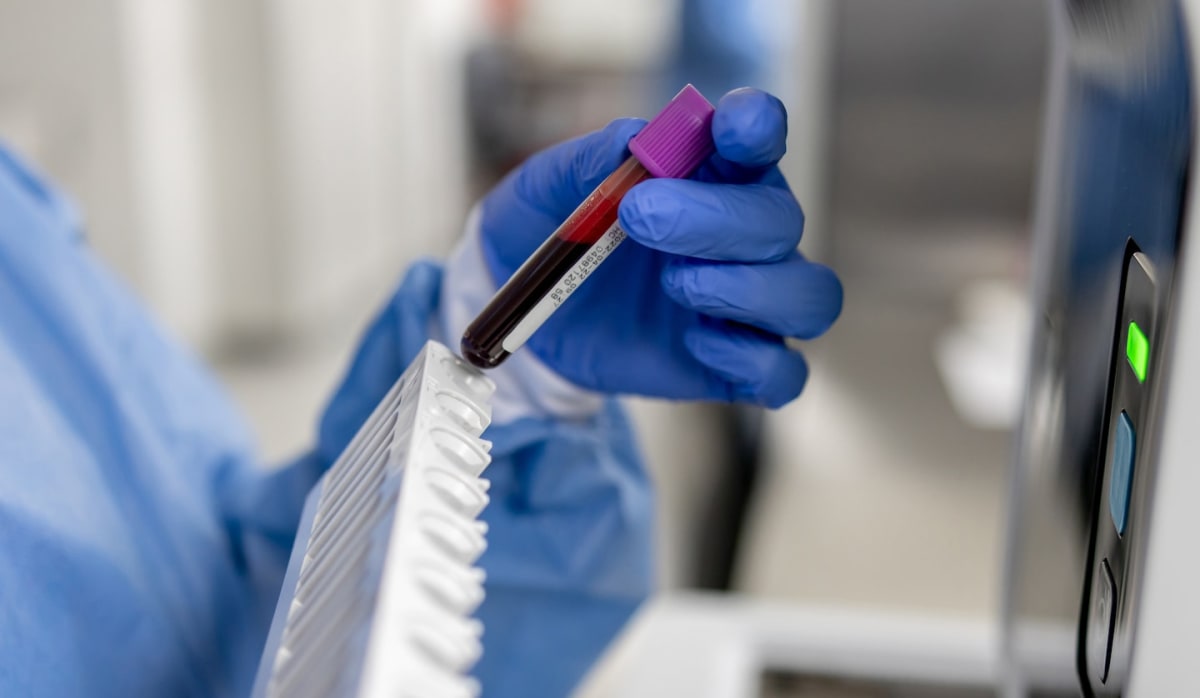
Hawaii just became the first state to cover all follow-up colonoscopy costs after positive screening tests, removing financial barriers that kept thousands from life-saving care. The new law also creates a $1.8 million fund to help uninsured residents access screenings that can catch this preventable cancer early.
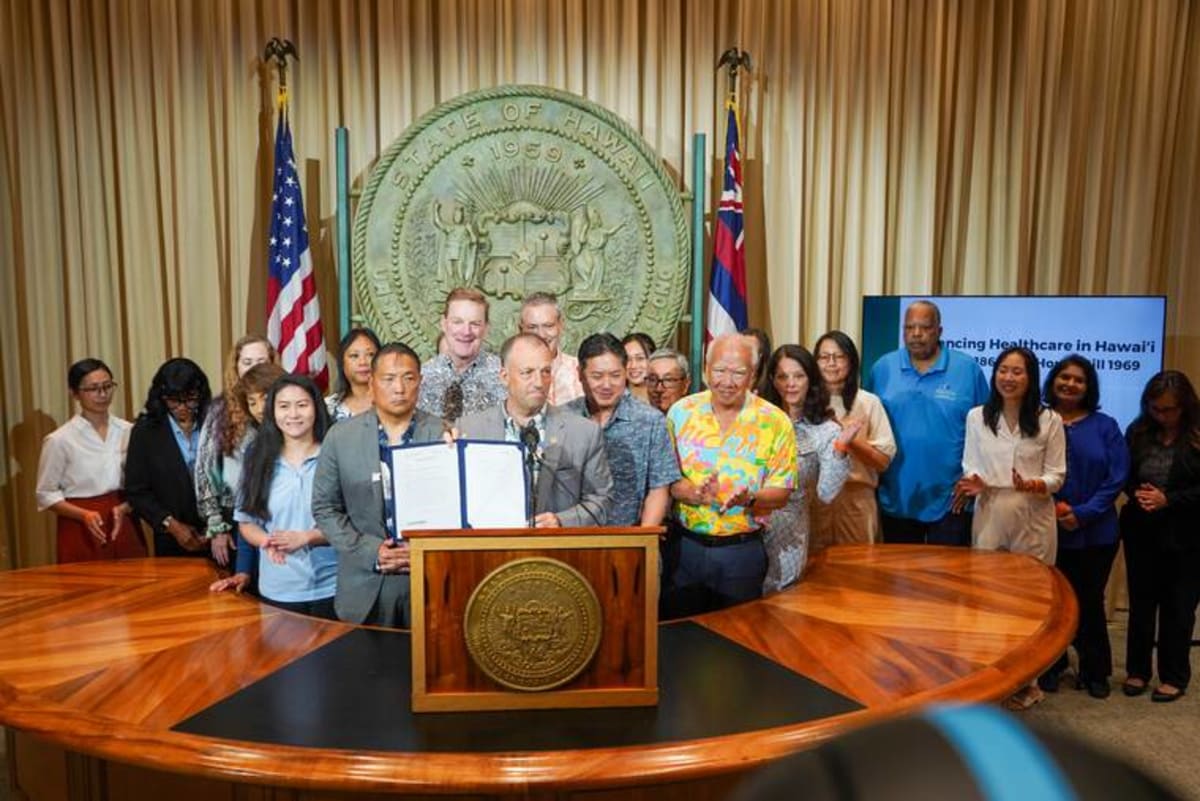
Hawaii residents no longer have to choose between their health and their wallet when it comes to colon cancer screening. Governor Josh Green signed House Bill 1969 into law on July 9, eliminating co-payments and out-of-pocket costs for follow-up colonoscopies after positive test results.
The timing couldn't be more critical. Colon cancer kills about 225 Hawaii residents every year, making it the second-leading cause of cancer deaths in the state. But here's the hopeful part: it's one of the most preventable cancers when caught early.
"This is a cancer that can be prevented," said Green, a former emergency room doctor. He urged residents to get screened long before symptoms appear, when treatment is most effective.
The new law does more than just cover insurance gaps. It establishes a state-funded assistance program with $1.8 million allocated for the upcoming fiscal year. This fund will help uninsured and underinsured residents access screenings that typically cost between $1,500 and $4,500.
State Representative Cory Chun, who introduced the bill, emphasized why this matters. "The disease often goes undetected without presenting symptoms," he said. "This means delaying screening can have deadly consequences."
The legislation comes as colorectal cancer shows alarming new trends. Cases among people younger than 50 have increased nearly 3.5% annually in Hawaii from 2013 to 2022. Nationally, it's the only major cancer with rising mortality rates in the under-50 age group.
Health officials responded by lowering the recommended screening age from 50 to 45 in 2021. Now everyone between 45 and 75 should get screened, using methods ranging from simple home stool tests to colonoscopies that can detect and remove precancerous polyps before they become dangerous.
The Ripple Effect
This law creates a powerful chain reaction across Hawaii's healthcare landscape. When cost stops being a barrier, more people get screened. When more people get screened, cancer gets caught earlier. When cancer gets caught earlier, lives get saved and treatment becomes less invasive and expensive.
The American Cancer Society Cancer Action Network called it a major step forward. "Those without insurance are far more likely to be diagnosed at later stages when treatment can be less effective," said Cynthia Au, the network's government relations director. "This bill will help ensure more people get screened and treated earlier, when outcomes are best."
The measure also arrives as new Medicaid policies threaten to leave more Hawaii residents without coverage next year, making the assistance fund even more vital for protecting vulnerable communities.
With 840 Hawaii residents projected to be diagnosed with colon cancer this year, this law transforms a deadly statistic into an opportunity for early intervention and survival.
Based on reporting by Google News - New Treatment
This story was written by BrightWire based on verified news reports.
Spread the positivity!
Share this good news with someone who needs it