Hawaii Group Plants 5.4M Trees Across Three Continents
A Hawaii-based organization just doubled its forest restoration work, planting over 5 million native trees across Africa, Latin America, and Southeast Asia in 2025. The model puts local communities in charge and proves large-scale reforestation can work when done right.
While climate news often feels overwhelming, one organization spent 2025 proving that restoring forests at massive scale is possible when communities lead the way.
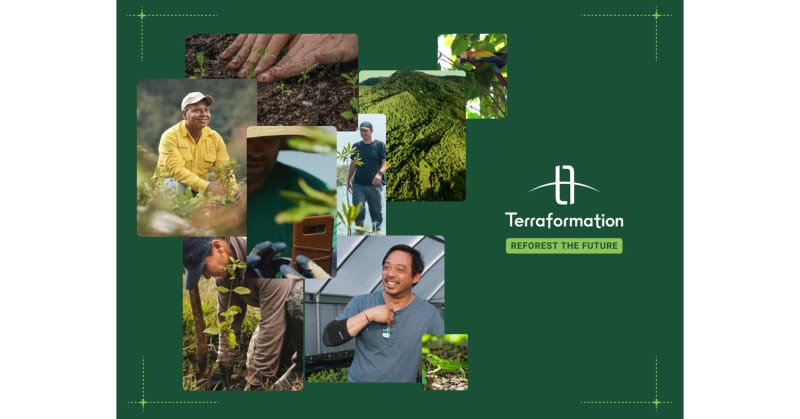
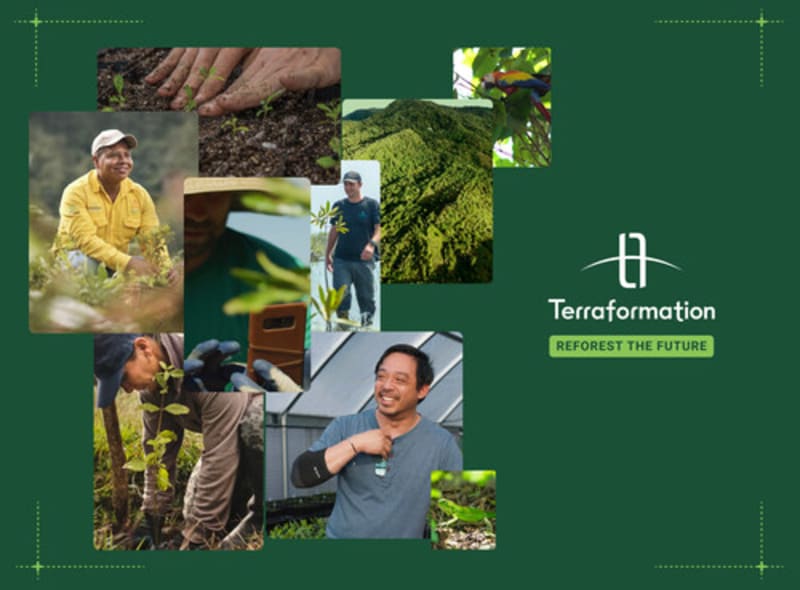
Terraformation, based in Kailua-Kona, Hawaii, worked with partners across three continents to plant 5.4 million native trees last year. That's more than double the 2.3 million they planted in 2024.
The numbers tell a story of genuine momentum. The organization restored 2,155 hectares of land, bringing back 447 native plant species in the process. By the end of the year, two of their projects had entered validation under internationally recognized carbon standards, a crucial step toward proving these forests deliver real climate benefits.
What makes this approach different is who's doing the work. Every project is designed and led by local communities, not outside experts parachuting in with plans. In Cameroon, the Iroko project pays community members for protecting and restoring ecosystems, directly linking forest health to family incomes.
Founder Yishan Wong is clear about the strategy. "The world doesn't need another promise about trees," he said. "It needs proof that reforestation can be done right, at scale, and under real scrutiny."
The organization isn't keeping its methods secret either. Terraformation offers free access to Terraware, an open-source platform that helps forest restoration teams anywhere manage their projects. The idea is simple: capacity, not ideas, is what limits forest restoration right now.
In 2025, the organization secured funding for active projects and won the Keeling Curve Prize for innovative climate finance. They also launched partnerships with governments in Ghana and Cameroon and funded mangrove restoration across Indonesia and the Philippines.
President Jad Daley explains why the community-first approach matters for the long term. "Forests persist when communities are full partners in their success," he said. "Community-first design isn't a nice-to-have. It's how you reduce risk and grow forests that last."
The Ripple Effect
Beyond carbon capture, these projects create lasting economic opportunities in regions where forest loss has undermined livelihoods for generations. When restoration becomes infrastructure rather than charity, communities have every reason to protect what they've planted for decades to come.
The organization's ultimate goal is ambitious: help enable the tripling of global reforestation by 2030 and support the restoration of one trillion biodiverse trees across tropical forests. As climate impacts accelerate and 2025 broke temperature records, solutions that deliver immediate community benefits while addressing long-term climate stability are exactly what the world needs more of.
More Images


Based on reporting by Google News - Reforestation
This story was written by BrightWire based on verified news reports.
Spread the positivity!
Share this good news with someone who needs it