Hawaii Races Toward 100% Clean Energy by 2045
Hawaii is transforming from one of America's most oil-dependent states into a renewable energy trailblazer, targeting 100% clean electricity and net-negative carbon emissions by 2045. The island state is proving energy independence is possible, even in the middle of the Pacific Ocean.
Imagine powering an entire state without a drop of domestic oil or gas. Hawaii is making that dream real, and the results are already showing.
The island chain spent decades shipping in every gallon of fuel to keep lights on and planes flying. But in 2015, Hawaii became the first US state to commit to 100% renewable electricity by 2045. Three years later, officials went even bigger, pledging to make the entire economy carbon neutral.
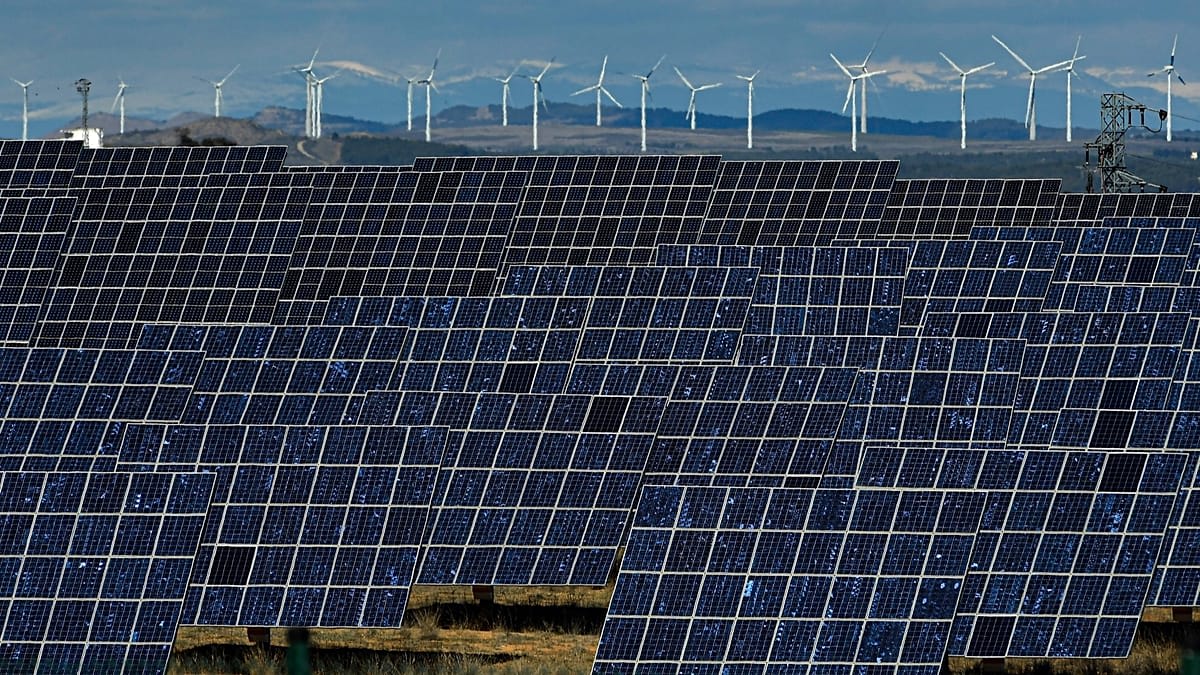
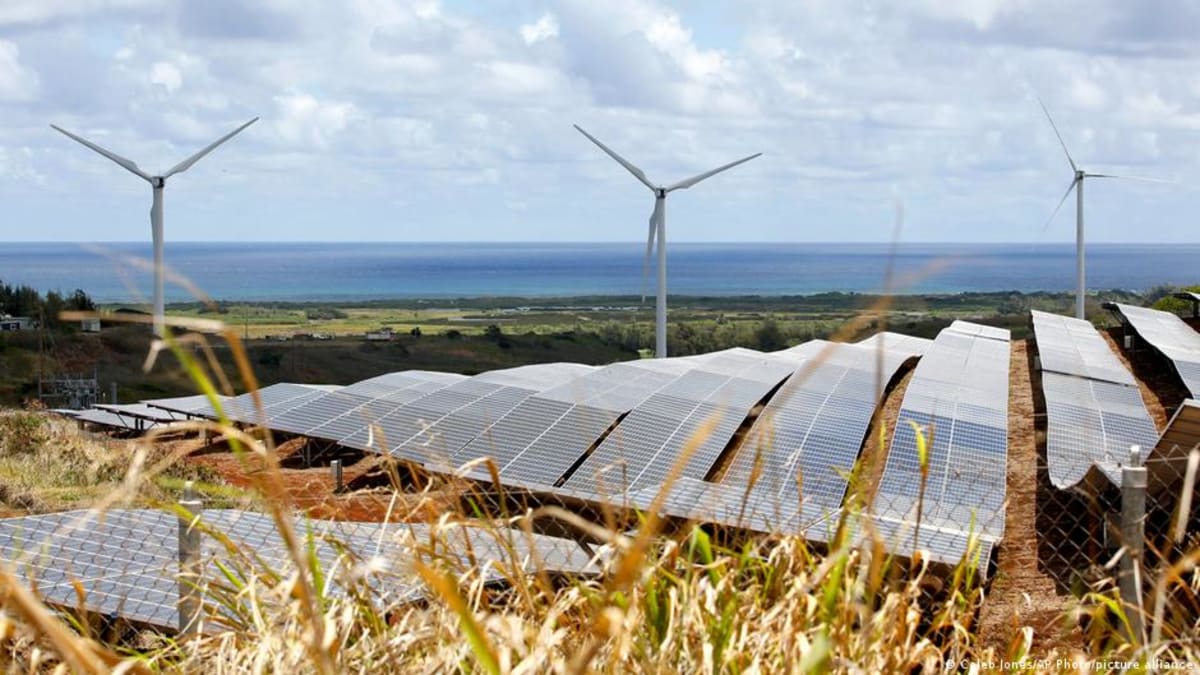
Today, about half of homes on the island of Oahu have rooftop solar panels turning sunshine into power. Wind turbines spin above volcanic landscapes while geothermal plants tap the Earth's heat below.
"The goal is to minimize, or wholly eliminate, dependence on imported energy," says Peter Sternlicht of Sustainable Energy Hawaii. For a state that once imported every barrel of oil, that's revolutionary.
The Big Island of Hawaii already hit 30% geothermal power at its peak in 2017. Even after a volcanic eruption disrupted operations, officials plan to expand geothermal capacity by 20% before 2027.
The challenges are real but not insurmountable. Oahu's dense population and limited land make building massive solar farms tricky. Hawaiian Electric is modernizing the grid while recovering from 2023's devastating wildfires that exposed vulnerabilities in aging power infrastructure.
Aviation presents the toughest puzzle since nearly 10 million tourists fly to Hawaii each year. Sustainable aviation fuel and more efficient planes will help, though fully electric flights remain years away. The state is betting on a mix of solutions rather than one silver bullet.
The Ripple Effect
Hawaii's ambitious plan is lighting a path for other island nations and coastal regions facing similar challenges. A 2022 state report shows the transition is achievable if solar, wind, and battery storage roll out at unprecedented speed while buildings get energy efficiency upgrades.
The state already funds clean energy programs through taxes on imported fuel, turning old problems into new solutions. Proposed carbon taxes could accelerate the shift even further by making fossil fuels less attractive than homegrown renewables.
Mark B. Glick, Hawaii's chief energy officer, sees the bigger picture: "We're prioritizing grid modernization, efficient generation, and major private-sector investment to support large-scale renewables." Translation: public vision plus private money equals real change.
Young activists are keeping pressure on too. A youth-led climate lawsuit forced Hawaii to commit to decarbonizing transportation by 2045, proving grassroots energy can match the power coming from solar panels.
With global oil markets rattled by international conflicts, Hawaii's bet on energy independence looks smarter every day. Twenty years might seem ambitious to remake an entire state's energy system, but Hawaii is showing the world it can be done.
Based on reporting by DW News
This story was written by BrightWire based on verified news reports.
Spread the positivity!
Share this good news with someone who needs it