Hawaii Scientists Discover 10 New Moth Species
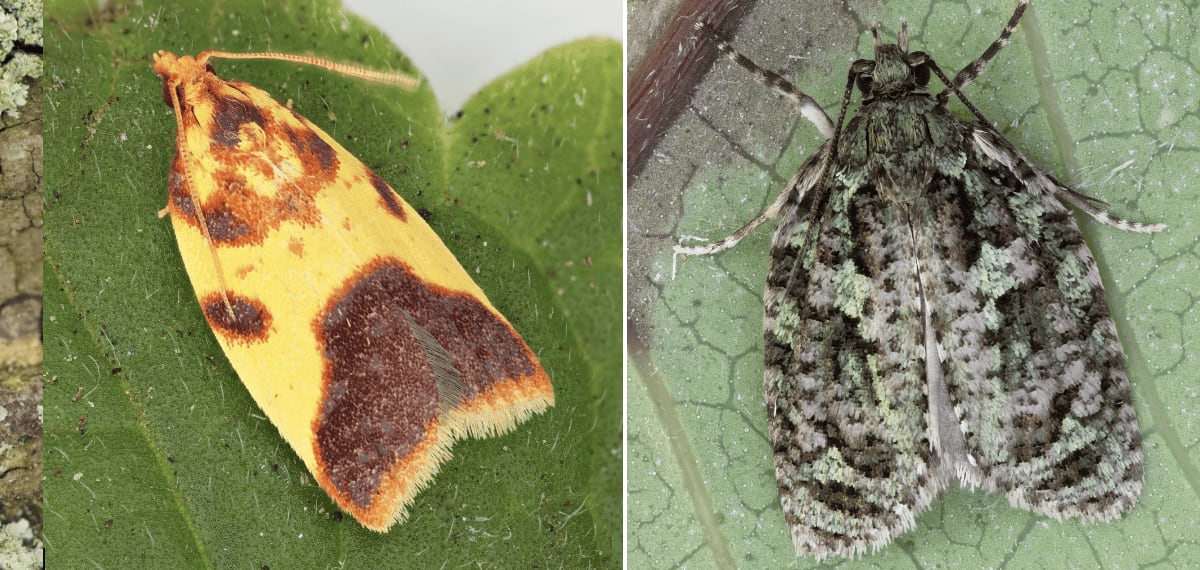
Researchers in Hawaii just described 10 new moth species and 7 new genera, revealing how much we still don't know about the islands' incredible biodiversity. Some discoveries honor Hawaiian culture, while others highlight urgent conservation needs.
Scientists in Hawaii have uncovered 10 new species of moths and seven entirely new genera, a discovery that reveals thousands of years of evolutionary history hidden in plain sight.
The findings highlight how much remains unknown about Hawaii's biodiversity. Lead researcher Kyhl Austin from the University of Hawaii calls the islands "a world-renowned laboratory for evolution," and these discoveries prove insects crossed thousands of miles of open ocean to reach Hawaii far more frequently than anyone imagined.
Finding a new species in Hawaii happens so often that "nobody turns their head," says study co-author Daniel Rubinoff, an entomologist at the University of Hawaii. But discovering seven new genera is extraordinary. Genera represent much broader evolutionary groupings than species, meaning these moths diverged from their ancestors millions of years earlier than previously thought.
The team combined old-fashioned detective work with cutting-edge science. They examined century-old museum collections gathering dust and trekked into remote wilderness areas. Using detailed anatomical examination, high-resolution imaging, and genetic testing, they revealed a hidden world of moth diversity.
Several new moths honor Hawaiian culture and landscape. Iliahia lilinoe is named for Lilinoe, the goddess of mists on Maui's Haleakalā volcano. Six species belong to the new genus Iliahia, named for their host plant ʻiliahi, the Hawaiian word for sandalwood.
The sandalwood connection tells a sobering story. In the early 19th century, Hawaiian kings forced people to harvest sandalwood trees to trade with the English for weapons. The wood was then exported to China, devastating the sandalwood population and the moths that depended on it.
Today, one newly described moth called I. pahulu is already critically endangered. It exists only in a small stand of 30 sandalwood trees on the island of Lānaʻi. Some newly described species are already considered extinct, known only from museum specimens collected over 100 years ago.
Why This Inspires
This discovery shows that even in one of the most studied ecosystems on Earth, nature still holds countless secrets. The researchers' dedication to understanding these tiny creatures honors both scientific curiosity and Hawaiian heritage. Their work gives us the knowledge we need to protect what remains.
Entomologist Karl Magnacca, who wasn't involved in the study, calls it "a really important contribution" since many native Hawaiian insect groups haven't been examined in about 100 years.
"We are naming species just as they are disappearing," Rubinoff says, a reminder that discovery and conservation must go hand in hand.
More Images




Based on reporting by Mongabay
This story was written by BrightWire based on verified news reports.
Spread the positivity!
Share this good news with someone who needs it