Hawaii Seawater Cooling Could Cut Island Energy Use by 3%
Hawaii is pioneering ocean-based air conditioning that uses cold deep water instead of electricity-hungry chillers. The innovative system could slash cooling costs while helping the island reach its clean energy goals.
📺 Watch the full story above
Imagine cooling entire city blocks with the ocean's natural chill instead of power-hungry air conditioners. That's exactly what Hawaii is working toward with a breakthrough approach to keeping buildings comfortable.
The island of Oahu faces a cooling challenge. In its tropical climate, air conditioning devours about one-third of all electricity used, roughly 2,200 gigawatt-hours annually. Hotels in Waikiki, office towers in downtown Honolulu, and sprawling shopping centers run cooling systems nearly around the clock.
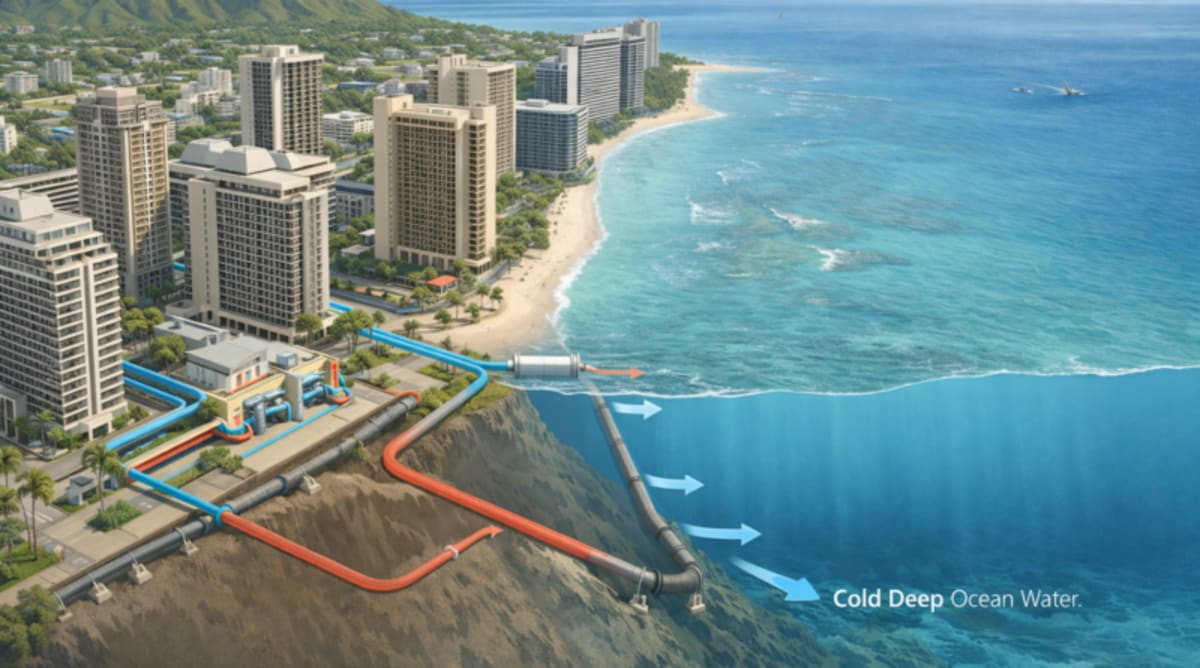
Now engineers have found an elegant solution hiding in plain sight. Cold water sits at the bottom of the Pacific Ocean, just offshore. By pumping that naturally chilled deep water to land and running it through heat exchangers, buildings can stay cool without conventional refrigeration cycles that gulp electricity.
The concept isn't just theoretical. Feasibility studies examined downtown Honolulu, Waikiki, and the developing Kakaako district, which sit close to the shoreline. These dense neighborhoods contain more than 50,000 tons of cooling demand that could tap into ocean-based systems.
The energy savings are remarkable. Even accounting for modern efficient chillers, seawater cooling could reduce electricity consumption by 150 to 170 gigawatt-hours per year in those districts alone. That's enough power to supply thousands of homes.
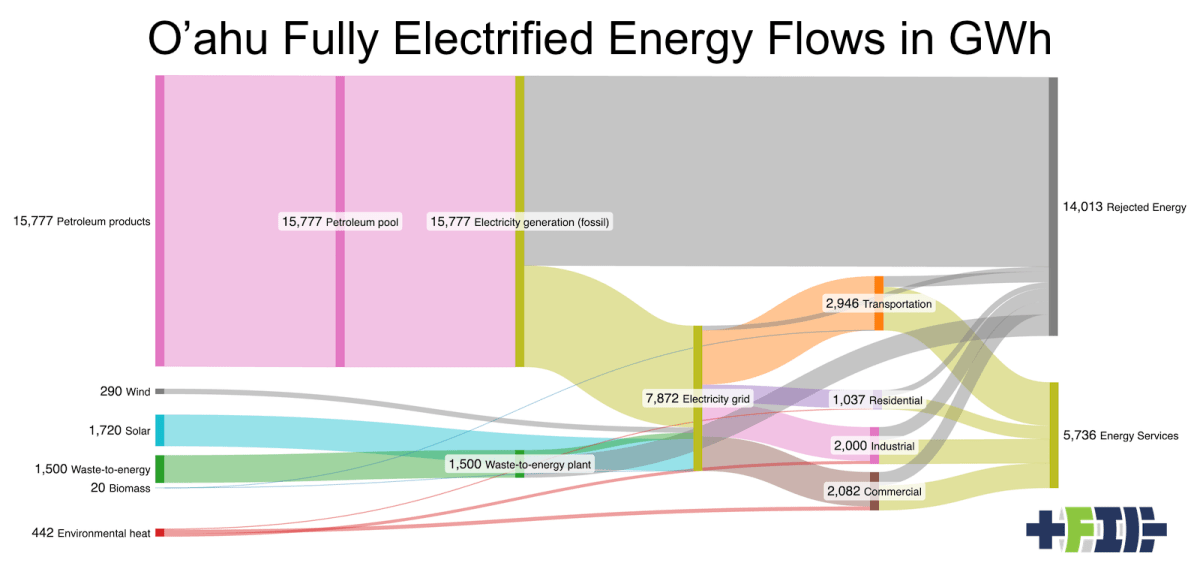
This matters beyond just lower utility bills. Hawaii is working to fully electrify its energy system, replacing fossil fuels with clean electricity from solar, wind, and other renewable sources. The transition requires smart thinking about reducing demand, not just adding more generation capacity.
The Ripple Effect
When cooling takes such a big bite out of electricity use, finding ways to naturally chill buildings creates breathing room for the entire grid. The energy saved from seawater cooling represents about 3% of Oahu's total projected electricity needs in a fully electrified future.
That freed-up capacity means fewer solar panels to install, less battery storage to build, and lower infrastructure costs overall. Communities get the same comfort with a lighter environmental footprint.
The approach works because Hawaii's geography provides steady access to cold deep water year-round. What starts as a solution for island cooling could inspire coastal cities worldwide facing similar climate challenges.
Engineers have studied this technology for decades, refining designs and proving feasibility. Now the pieces are falling into place to turn ocean cooling from concept into reality, one district at a time.
Hawaii continues showing that climate solutions don't require sacrifice or discomfort, just creative thinking about the natural resources already within reach.
More Images
Based on reporting by CleanTechnica
This story was written by BrightWire based on verified news reports.
Spread the positivity!
Share this good news with someone who needs it