Hawaiian Elder Brings Indigenous Voice to Ocean Mining Talks
A Native Hawaiian leader is bringing traditional wisdom to international negotiations that could determine the future of the world's deepest ocean ecosystems. His presence marks a historic shift toward including Indigenous perspectives in global environmental decisions.
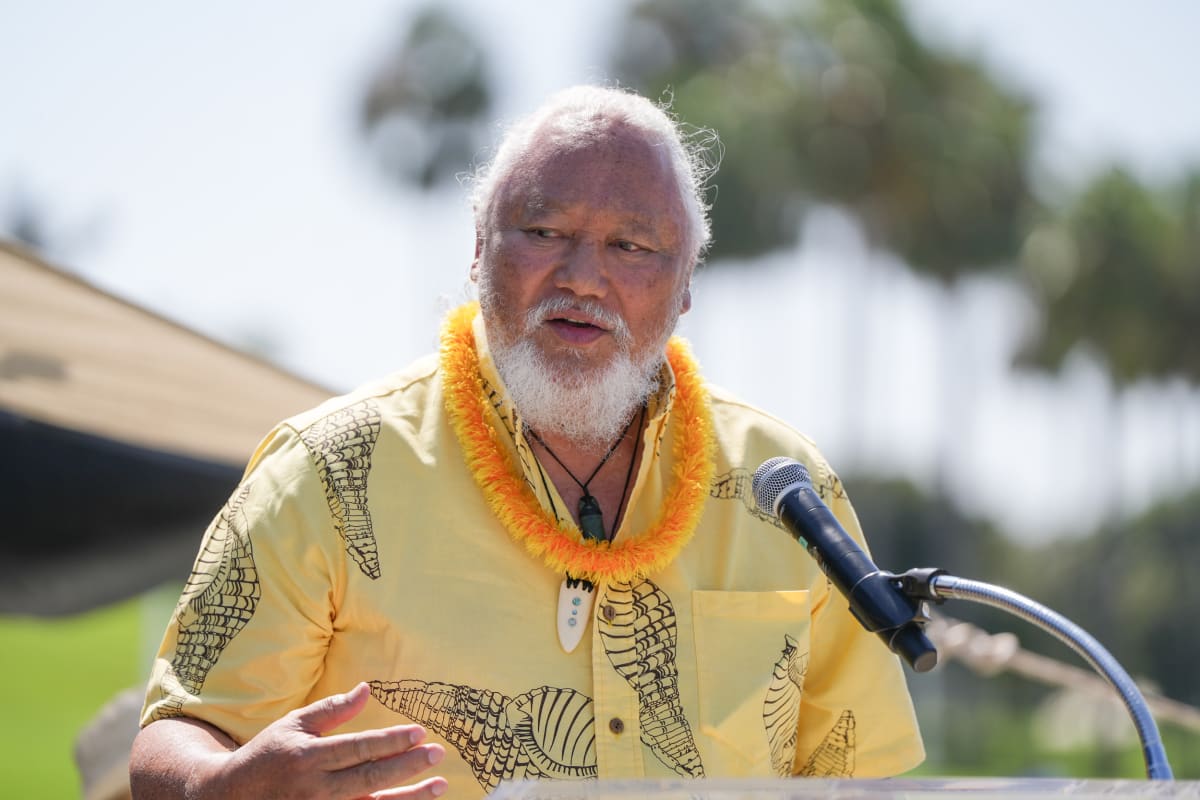
When Solomon Pili Kaho'ohalahala first watched video demonstrations of deep-sea mining machinery at work, he wept. The massive equipment tore into the ocean floor, churning up clouds of sediment that turned the water murky for miles.
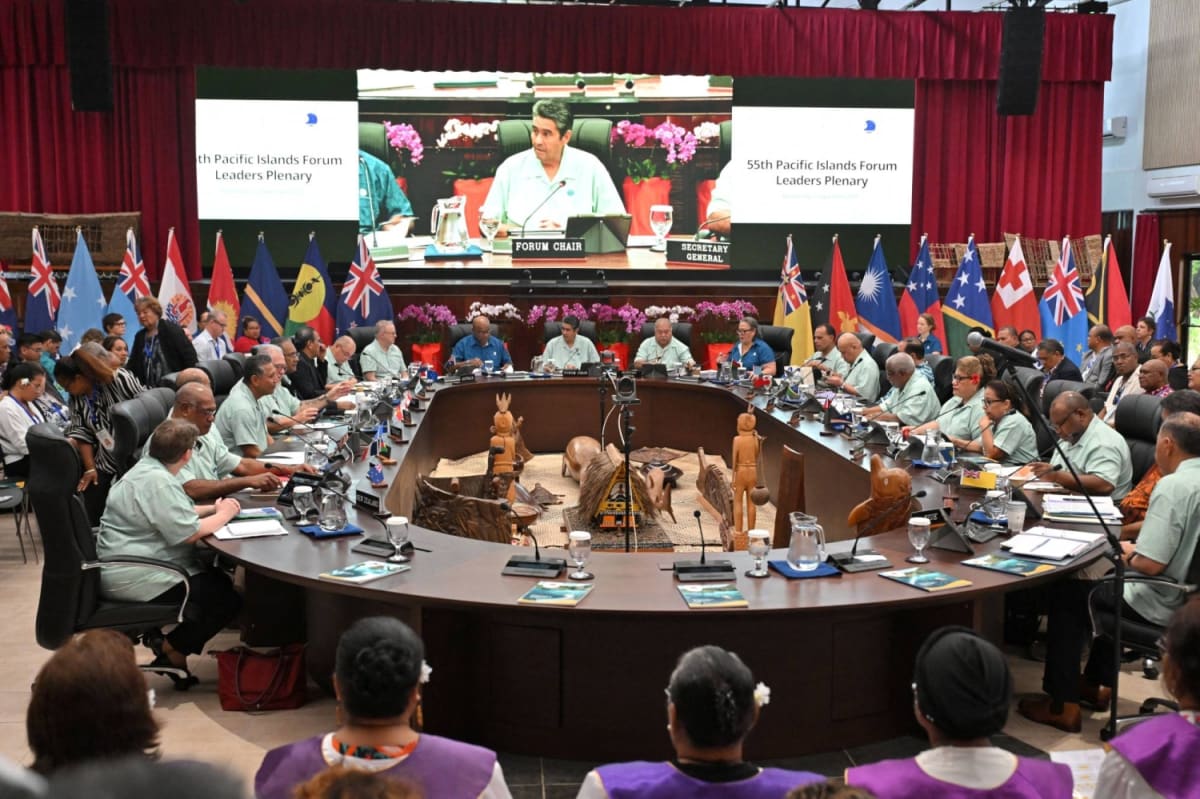
Now the seventh-generation Native Hawaiian elder, known as "Uncle Sol," is attending international talks in Jamaica to make sure Indigenous voices shape the rules before mining begins. This week, delegates from around the world gathered at the International Seabed Authority to develop regulations for deep-sea mining in international waters.
The stakes are massive. Mining companies want to extract potato-sized mineral nodules from the Clarion-Clipperton Zone, a 2.3-million-square-mile area of ocean floor between Hawaii and Mexico. These nodules contain metals needed for electric vehicle batteries and other green technologies.
Uncle Sol works with the Maui Nui Makai Network, which protects marine ecosystems across three Hawaiian islands using traditional knowledge. He helped launch One Oceania, an initiative bringing Pacific Islander voices to these crucial negotiations.
"Most deep-sea mining activities are focused within the waters of Oceania," Uncle Sol explained. The Pacific is home to countless Indigenous communities whose lives and cultures are tied to the ocean.
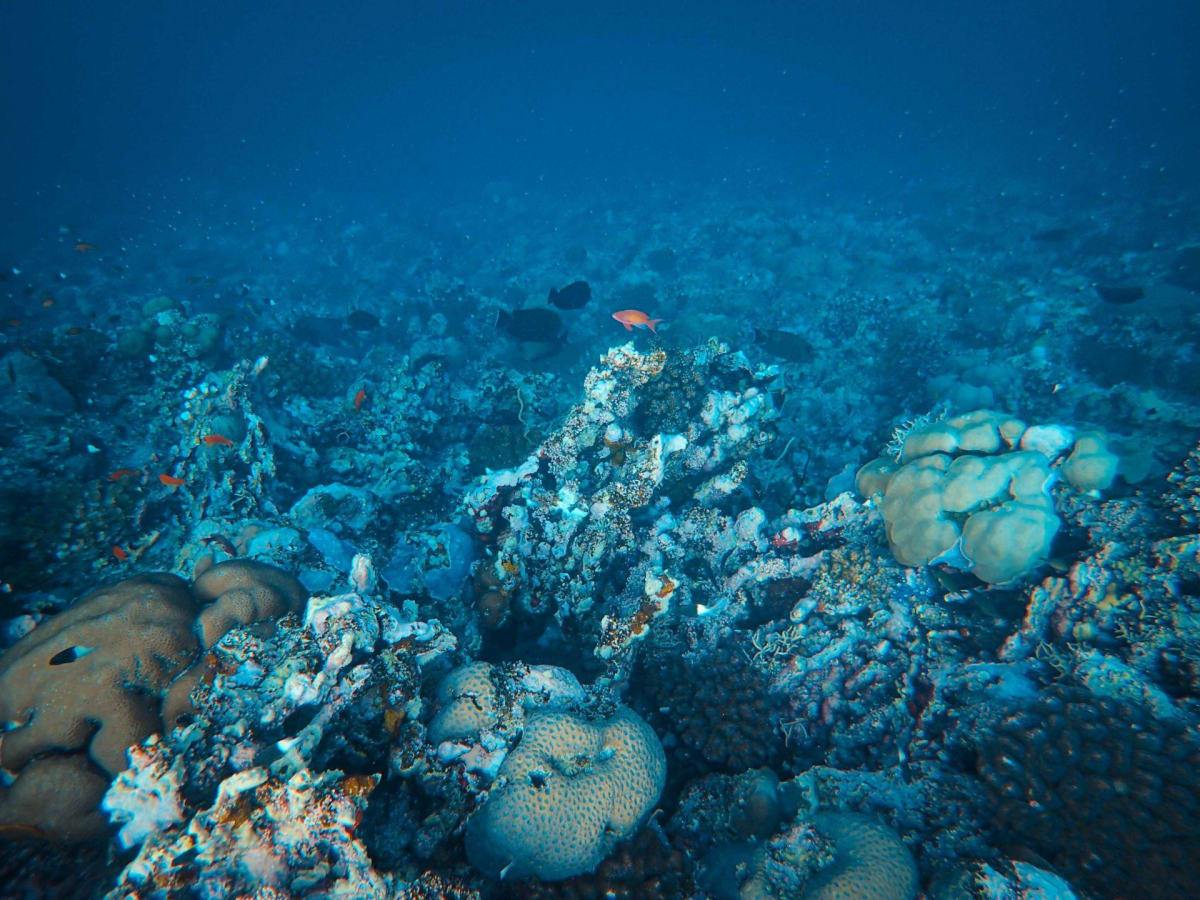
The proposed mining process disturbs him deeply. Machines would scrape the ocean floor, collect nodules, lift them to ships on the surface, and dump waste back into the water. No one knows what damage this could cause to ecosystems we barely understand.
Why This Inspires
For the first time in history, rules for industrial ocean mining are being written before mining begins. ISA Secretary-General Leticia Carvalho emphasized this unique opportunity: "Without rules, there are no enforceable protections."
What makes this moment truly hopeful is who's at the table. Indigenous leaders like Uncle Sol are ensuring that traditional ecological knowledge and cultural values inform these decisions, not just industrial interests.
His work represents a growing recognition that Indigenous peoples, who have sustainably managed their environments for generations, deserve a central role in protecting shared global resources. Their presence transforms these negotiations from purely technical discussions into conversations about our collective responsibility to the ocean.
Uncle Sol has attended these meetings for four and a half years, patiently raising concerns about impacts on both physical places and cultural beliefs. His persistence is creating space for wisdom that honors the ocean as sacred, not just as a resource to extract.
The ocean connects us all, and now the people who know it best are helping write its future.
Based on reporting by Inside Climate News
This story was written by BrightWire based on verified news reports.
Spread the positivity!
Share this good news with someone who needs it