Hawks Teach Drones a New Trick for Dodging Obstacles
Scientists discovered how Harris's hawks morph their wings mid-flight to slip through tight spaces, shifting from unstable to stable flight in seconds. This natural engineering trick could revolutionize how drones navigate crowded environments.
Watch a hawk thread through tree branches at full speed and you're seeing something drones can't do yet. Scientists just figured out how birds pull off this incredible feat, and it could transform the future of flying robots.
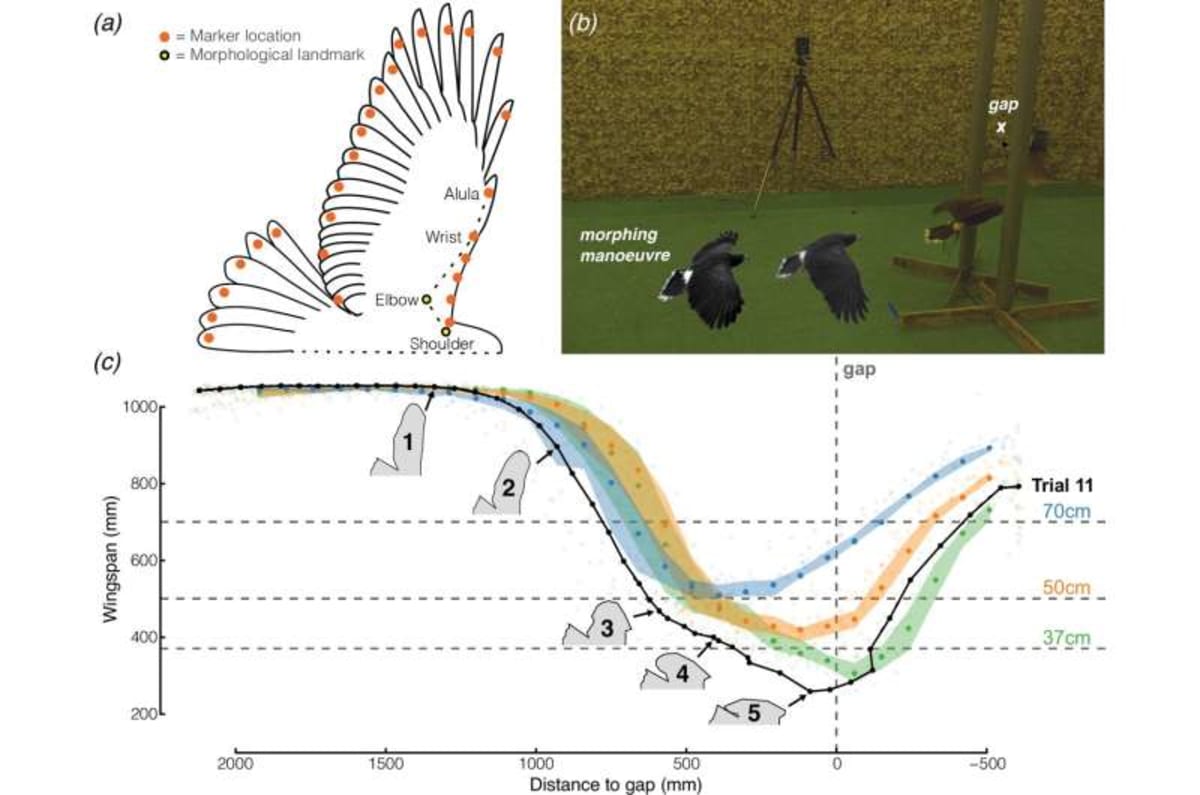
Researchers at Oxford University and UC Davis filmed Harris's hawks gliding through narrow gaps using motion capture technology. These desert birds, known for hunting as a team around cacti and mesquite trees in the American Southwest, tuck their wings tight as they navigate obstacles.
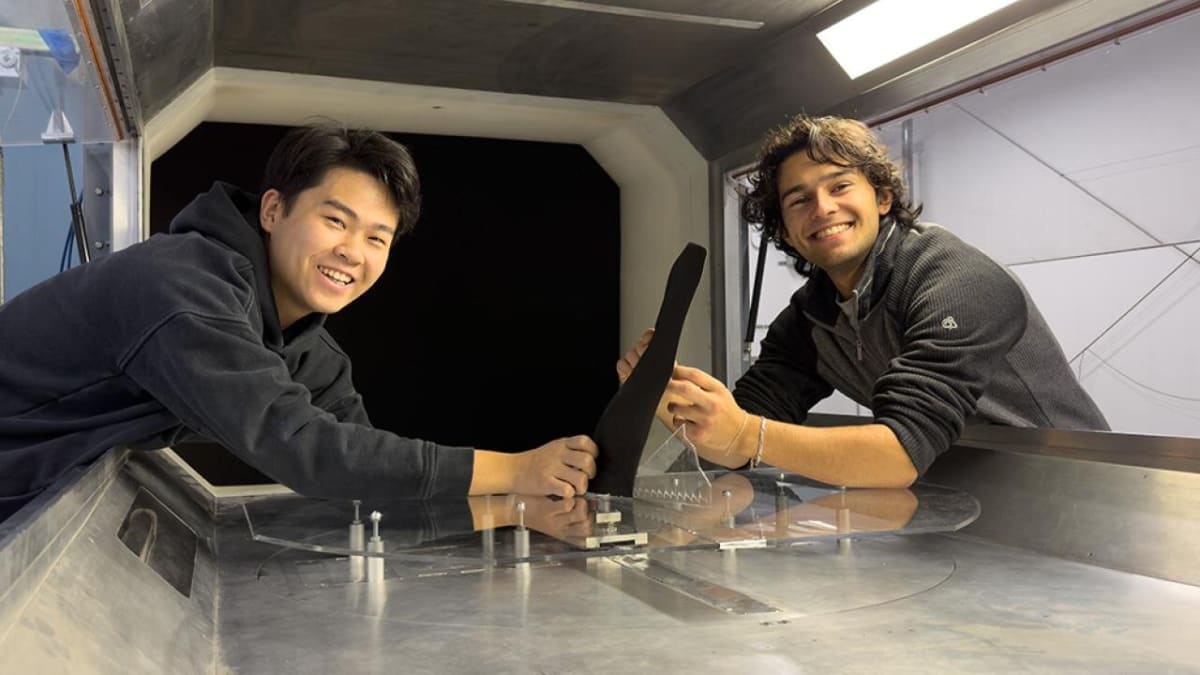
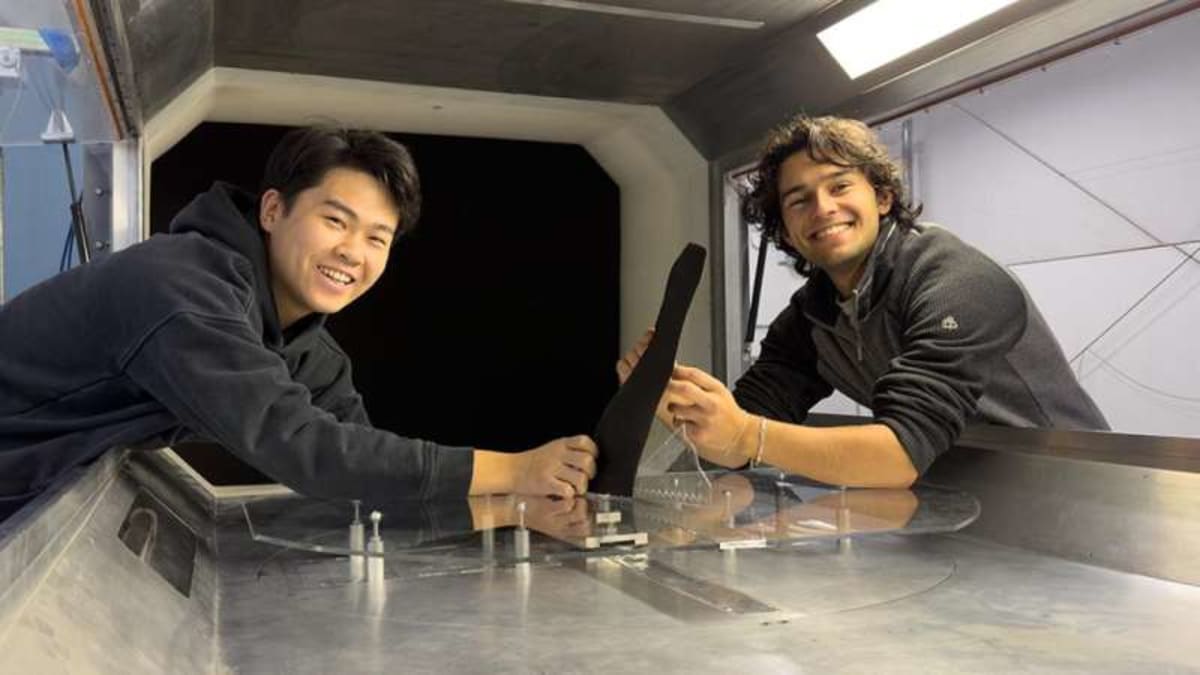
The team placed soft poles in a flight hall to create narrow openings, encouraging the birds to adjust mid-flight. After analyzing the footage frame by frame, they built 3D-printed models of hawk wings at different points during the maneuver and tested them in wind tunnels.
What they discovered surprised them. When hawks tuck their wings, they completely shift their aerodynamic state from unstable to stable in a split second.
In flight, being unstable means you're highly maneuverable, like a fighter jet banking hard. Being stable means you hold a steady course without wobbling. Traditional aircraft don't switch between these states the way birds do naturally.
This shape-shifting ability gives hawks incredible control. They can be agile when hunting prey, then instantly stabilize to zip through tight spaces without crashing.
The findings, published in the Journal of the Royal Society Interface, suggest a new approach for designing drones that need to fly through forests, buildings, or disaster zones. Current drones struggle with obstacles because they can't adapt their shape and stability on the fly like birds can.
UC Davis just opened the Center for Animal Flight and Innovation, a specialized facility with motion capture and high-speed cameras dedicated to studying how birds fly. The center will help engineers translate millions of years of natural evolution into smarter drone designs.
Why This Inspires
Nature has been perfecting flight for 150 million years, and we're still learning from it. Every time scientists decode another trick from the animal kingdom, we gain solutions to human challenges we've struggled with for decades. Hawks hunting in the Sonoran Desert don't know they're teaching us how to build better search-and-rescue drones or delivery robots that can navigate cities safely.
The smartest engineering sometimes means watching closely and letting nature be the teacher.
More Images

Based on reporting by Phys.org - Technology
This story was written by BrightWire based on verified news reports.
Spread the positivity!
Share this good news with someone who needs it