HBO's The Pitt Gets Autism in the Workplace Right
A hit medical drama worked with autism experts to create one of TV's most authentic neurodivergent characters. Dr. Mel King shows viewers what real representation looks like.
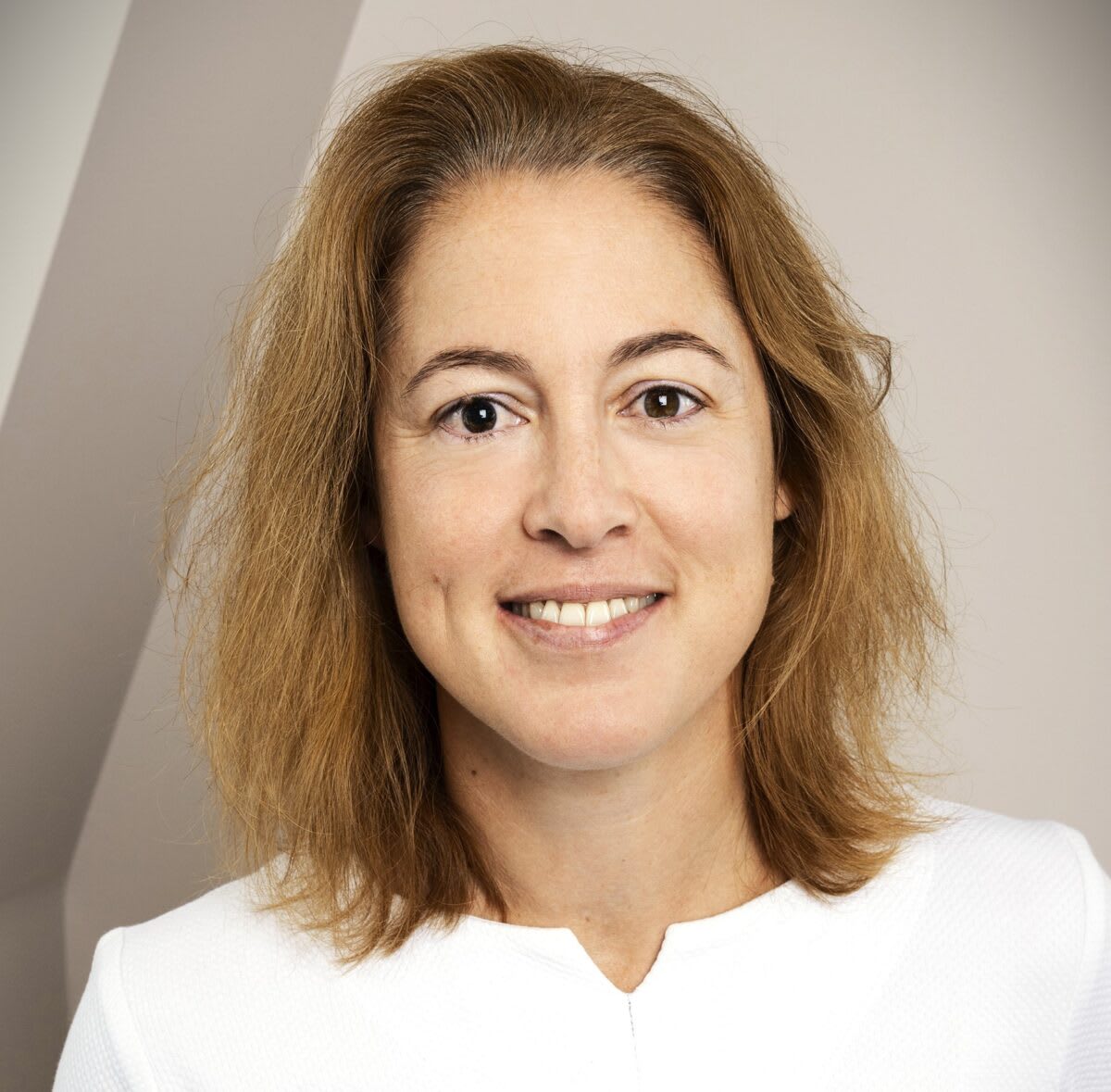
When developmental pediatrician Dr. Wendy Ross joined a Zoom call in early 2024, she spotted Noah Wyle in the corner of her screen and realized this project was something special. The writers of a new medical drama wanted her help creating an autistic doctor character, and they had one clear goal: no stereotypes allowed.
That collaboration resulted in Dr. Mel King, a breakout character on HBO's The Pitt. The show averaged 10 million viewers per episode and won three Emmy Awards in its first season.
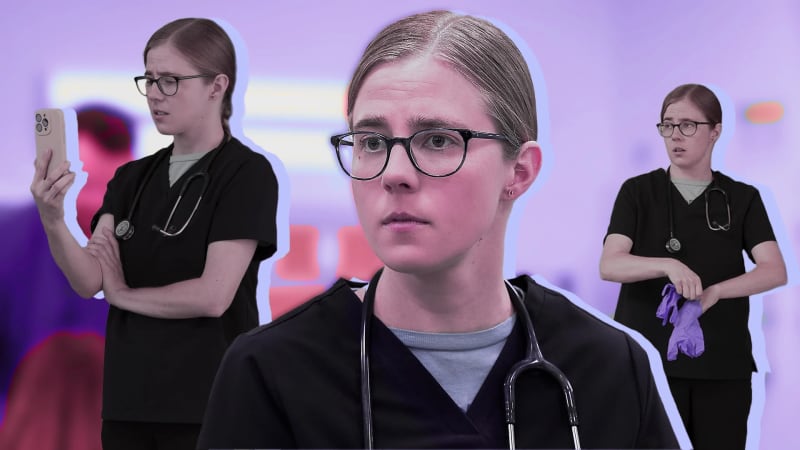
Dr. King, played by Taylor Dearden, works as a resident in a busy emergency room. She exhibits traits many autistic people recognize: she uses repetition to self-soothe, occasionally misses social cues, and excels at focused tasks.
But here's what makes her portrayal groundbreaking. The show never explicitly diagnoses Mel as neurodivergent or makes autism her defining characteristic.
Instead, viewers watch Mel shine as a complete person. She comforts a child experiencing tragedy with genuine compassion. She builds authentic friendships with fellow doctors through her earnest personality. She calms herself during stressful moments by repeating Megan Thee Stallion lyrics like a mantra.
Ross, who directs the Jefferson Center for Autism & Neurodiversity in Philadelphia, says the writers took representation seriously from day one. They sought expert guidance specifically to avoid one-dimensional portrayals that have plagued autism representation on screen for decades.
The result feels refreshingly human. Mel isn't presented as a savant with superhuman abilities or a burden to her colleagues. She's a skilled doctor with her own quirks, strengths, and personality.
Why This Inspires
Authentic representation matters because it shapes how society views neurodivergent people in professional settings. When audiences see autistic characters thriving in demanding careers like emergency medicine, it challenges outdated assumptions about what neurodivergent people can achieve.
The show also demonstrates what happens when creators prioritize getting things right. By consulting experts and resisting stereotypes, The Pitt created a character who resonates with autistic viewers while educating neurotypical audiences.
For Ross, watching the final product validated the collaborative process. The writers listened, asked thoughtful questions, and ultimately created something that honors the autism community.
Millions of viewers now see an autistic doctor saving lives, building relationships, and navigating workplace challenges with creativity and heart.
More Images

Based on reporting by Fast Company
This story was written by BrightWire based on verified news reports.
Spread the positivity!
Share this good news with someone who needs it