Health Workers Win Trust in Congo's Ebola Fight
In villages where fear once drove health workers away, a revolutionary approach is turning traditional healers into allies and saving lives. Seven people have recovered from a rare Ebola strain by seeking early treatment, proving that trust can be as powerful as medicine.
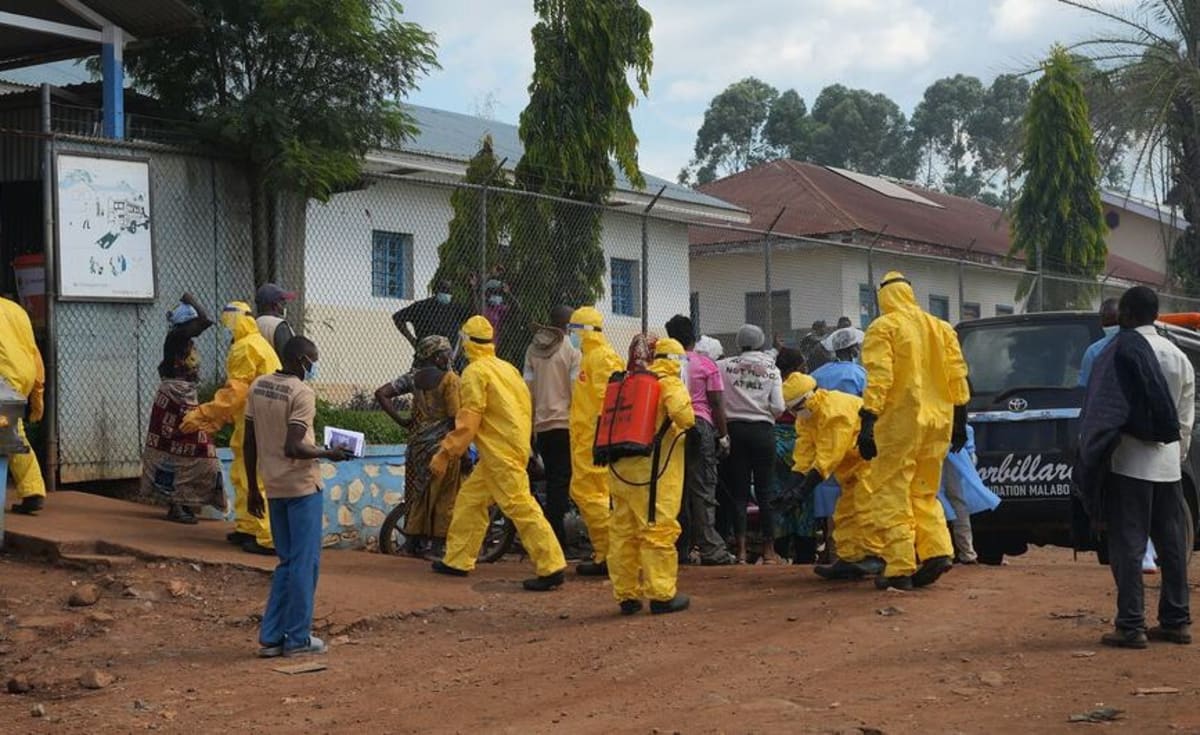
When armed threats forced health workers to flee a village burial in eastern Congo, Marie Roseline Belizaire knew the real battle wasn't just against Ebola. It was against decades of conflict, cultural misunderstanding, and fear.
Belizaire, the World Health Organization's Emergency Response Director for Africa, is leading a groundbreaking approach to fighting the outbreak. Instead of dismissing beliefs in witchcraft or traditional healing, her team is embracing them.
"We are not trying to overcome their culture," Belizaire explained from Bunia, where her teams work daily. "We're trying to involve the science in their own belief."
The strategy is working. Health workers now partner with traditional healers, asking them to refer patients showing Ebola symptoms while continuing their cultural practices. Families who once saw health teams as threats are beginning to welcome them.
The results speak for themselves. Seven people have recovered from this rare Bundibugyo strain of Ebola, including six healthcare workers. They survived because they sought treatment early and received supportive care while their immune systems fought back.
Testing capacity has skyrocketed from 40 tests daily to 800. Results that once took days now come back within 24 to 48 hours, meaning families get answers faster and suspected cases can rejoin their communities quickly.
Contact tracing has nearly doubled, jumping from 25 percent to 45 percent coverage. While still below the ideal 90 percent needed to fully contain spread, the improvement shows communities are increasingly willing to work with health teams.
The Ripple Effect
The trust-building approach is reshaping how health crises are handled across Africa. WHO Director-General Tedros Adhanom Ghebreyesus recently visited recovered patients in Bunia, highlighting their stories as proof that early treatment saves lives.
A new $518 million continental plan launched Friday brings together governments, UN agencies, and communities under a unified response. The six-month strategy doesn't just fight the current outbreak but strengthens preparedness across neighboring countries.
Traditional healers who once worked in opposition to medical teams are now becoming referral partners. Community members who believed Ebola was witchcraft are learning they can hold both cultural and scientific beliefs simultaneously.
The collaboration is creating a model for future health emergencies. When health workers returned to communities that had threatened them days earlier, they came not as adversaries but as partners who respect local culture while offering life-saving medical care.
Every recovered patient becomes a living testament to what's possible when science and community trust work together, turning former skeptics into advocates for early treatment and proving that even the deadliest challenges can't overcome human connection.
Based on reporting by AllAfrica - Headlines
This story was written by BrightWire based on verified news reports.
Spread the positivity!
Share this good news with someone who needs it