Heart Stopped 35 Minutes: Long Island Man Saved by New Device
A Long Island man's heart stopped for 35 minutes, but a breakthrough heart pump device brought him back without brain damage. Doctors are calling his survival nearly impossible.
When your heart stops for more than a few minutes, brain damage becomes almost certain. But a Long Island man defied those odds completely.
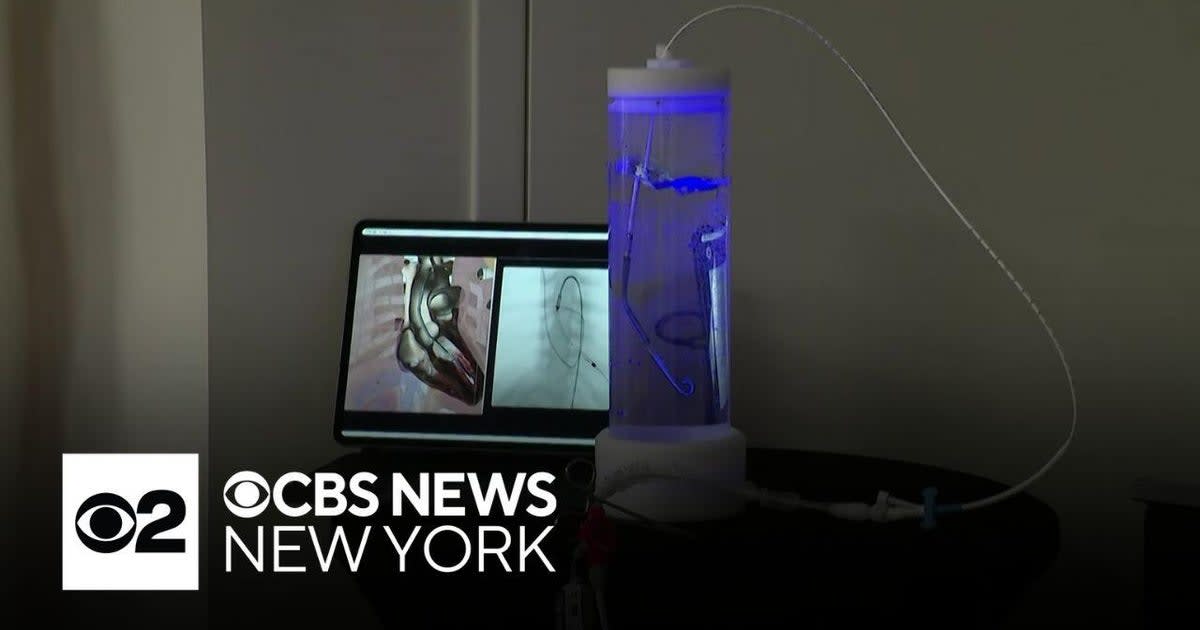
His heart stopped for a full 35 minutes. Medical teams at a Long Island hospital fought to keep him alive using a revolutionary heart pump device that kept blood flowing to his brain while his own heart lay still.
The device works like a temporary replacement heart, pumping oxygen-rich blood through the body even when the natural heart has completely stopped. This gives doctors precious time to identify and fix the underlying problem without the usual race against permanent brain damage.
In most cardiac arrest cases, brain cells begin dying after just four to six minutes without oxygen. Beyond ten minutes, the chances of recovery without severe neurological damage drop dramatically.
But this patient beat those statistics. After 35 minutes of cardiac arrest, medical teams successfully revived him using the pump technology. Tests showed no brain damage whatsoever.
Doctors treating him told CBS News New York that cases like this are almost unheard of in modern medicine. The typical survival window for cardiac arrest without consequences is measured in single-digit minutes, not half an hour.
The Bright Side
This breakthrough device represents a fundamental shift in how emergency medicine handles cardiac arrest. What was once a narrow window of survival has expanded dramatically.
The technology could change outcomes for thousands of cardiac arrest patients every year. Currently, less than 10% of people who experience cardiac arrest outside a hospital survive, and many who do face lasting brain damage.
With devices like this becoming more widely available, those numbers could improve significantly. The patient's remarkable recovery proves that the technology works even in extreme circumstances.
Medical teams can now focus on solving the root cause of cardiac arrest rather than racing against an impossible clock. That extra time means better diagnosis, more treatment options, and ultimately more lives saved with full recovery.
The Long Island patient is now recovering at home, his life saved by a combination of quick-thinking medical professionals and technology that seemed impossible just years ago.
Based on reporting by Google News - Medical Breakthrough
This story was written by BrightWire based on verified news reports.
Spread the positivity!
Share this good news with someone who needs it