Heat Pumps Could Ease Grid Strain Even in Winter Cold
New research on 761 German homes reveals heat pumps rarely max out during freezing weather, opening doors for smarter energy use. The finding could transform how neighborhoods manage electricity demand during peak hours.
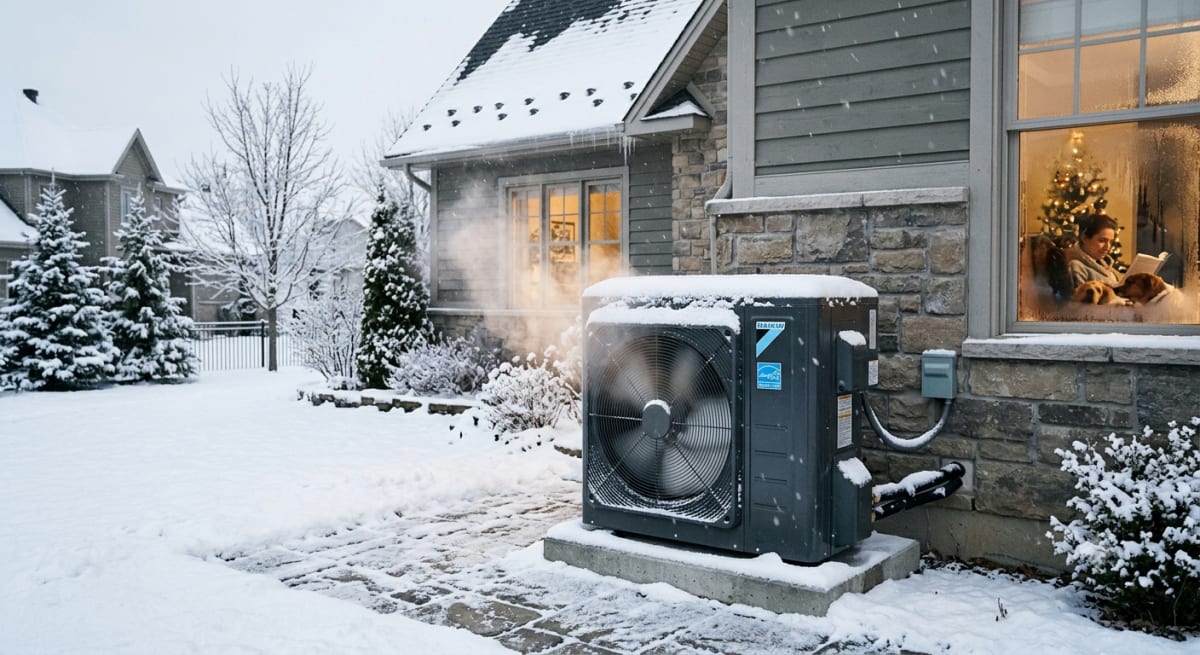
Scientists studying hundreds of homes in southern Germany just discovered something surprising: even during the coldest winter days, residential heat pumps coast along at about 30% of their power capacity.
Researchers from the Technical University of Munich teamed up with heating specialist iDM Energiesysteme to analyze 761 air-to-water heat pumps across Bavaria. They tracked these systems through brutal February cold snaps in 2021 and 2023, expecting to see them struggling at maximum output.
Instead, the heat pumps operated at median compressor speeds of just 29% to 35% during the coldest periods. They ran about 60% of the time but never hit their theoretical maximum thermal output, even when outdoor temperatures plummeted.
"We observed that, even during the coldest periods examined, heat pump systems rarely run continuously at their maximum technical capacity," explained lead researcher Thomas Haupt. The gap between actual use and full capacity revealed something valuable: flexibility.
The team discovered each system had between 3.5 and 4.6 kilowatts of untapped thermal flexibility. That unused capacity means heat pumps could shift their energy consumption to different times of day, helping balance electrical grids when demand spikes elsewhere.
The study focused on modern heat pumps in single-family homes with capacities between 8 and 15 kilowatts. Researchers gathered data at 15-second intervals from cloud-connected systems, creating an incredibly detailed picture of real-world performance.
Morning hours showed the highest electricity demand as heat pumps tackled both space heating and hot water preparation. But because the systems operated well below their limits, that demand could theoretically shift to off-peak hours with smarter controls.
The Bright Side
This research arrives as countries worldwide work to electrify home heating while keeping power grids stable. Heat pumps already operate two to three times more efficiently than traditional heating, with coefficient of performance values ranging from 2.24 to 2.97 in the study.
Now we know they also pack hidden flexibility that could prevent grid overload. Strategic use of thermal storage systems, paired with grid-responsive controls, could let heat pumps warm up homes during low-demand periods and coast during peak hours.
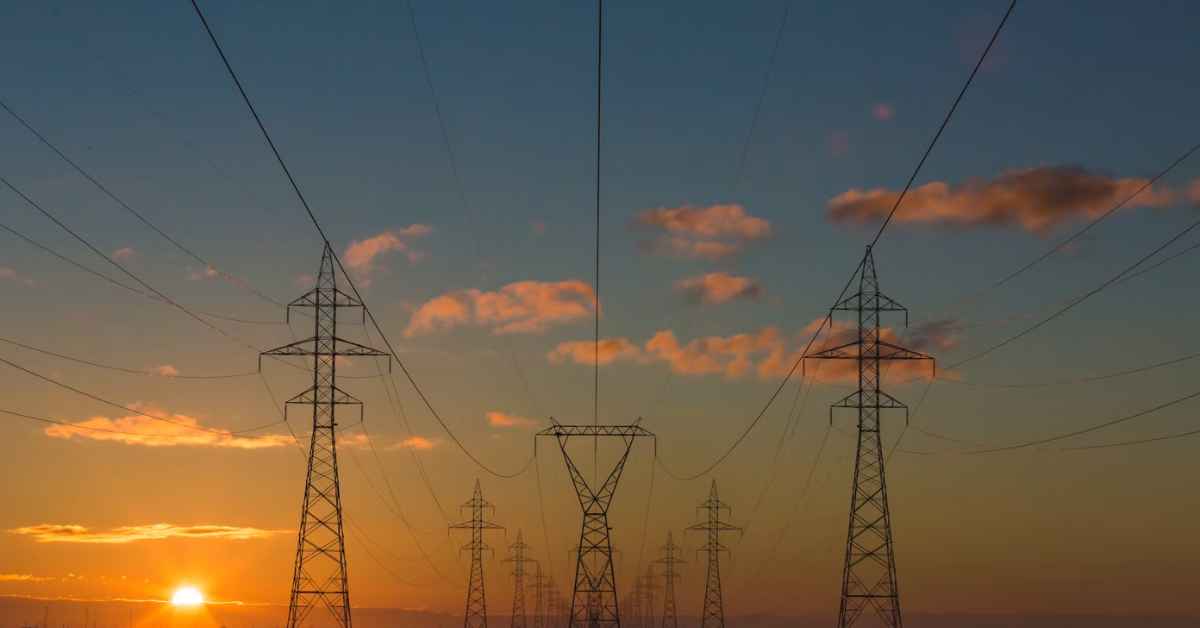
The findings suggest neighborhoods full of heat pumps won't strain electrical infrastructure the way critics feared. Instead, coordinated heat pump operation could actually help stabilize grids by providing flexible load management.
Hundreds of German families just proved that staying warm and being grid-friendly aren't opposing goals.
More Images


Based on reporting by PV Magazine
This story was written by BrightWire based on verified news reports.
Spread the positivity!
Share this good news with someone who needs it