Heat Shield Discovery Could Help NASA Reach Titan in 2028
Scientists just figured out why spacecraft heat shields behave differently on various planets, a breakthrough that could help NASA's Dragonfly mission safely land on Saturn's moon Titan. The finding changes how we protect spacecraft entering alien atmospheres.
Engineers at the University of Illinois just solved a puzzle that could make landing on other worlds much safer.
When spacecraft enter a planet's atmosphere at hypersonic speeds, they rely on heat shields to survive temperatures hot enough to melt metal. These shields work by "breathing," burning away their outer layer in a process called ablation to carry heat away from the spacecraft.
Professor Francesco Panerai and his team made a surprising discovery while testing heat shields in a special wind tunnel. When they changed the gas composition surrounding the shield, the way it burned changed dramatically.
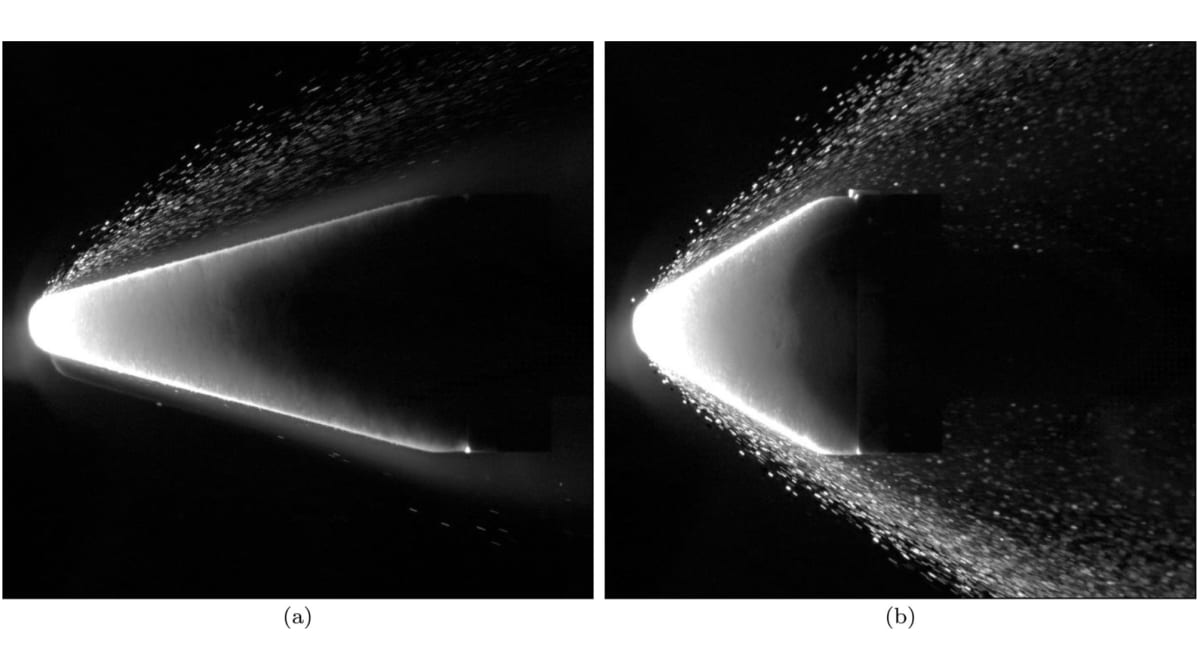
In Earth's oxygen-rich atmosphere, heat shields ablate steadily and smoothly. But when the team removed oxygen and tested the shield in pure nitrogen, something unexpected happened. The shield started ejecting particles in violent, unpredictable bursts instead of a steady stream.
"I've been around ablation research for over 15 years, and I've never seen this," Panerai said. The team watched in surprise as particles sometimes even traveled backward, pushed by pressure rather than flowing smoothly away.
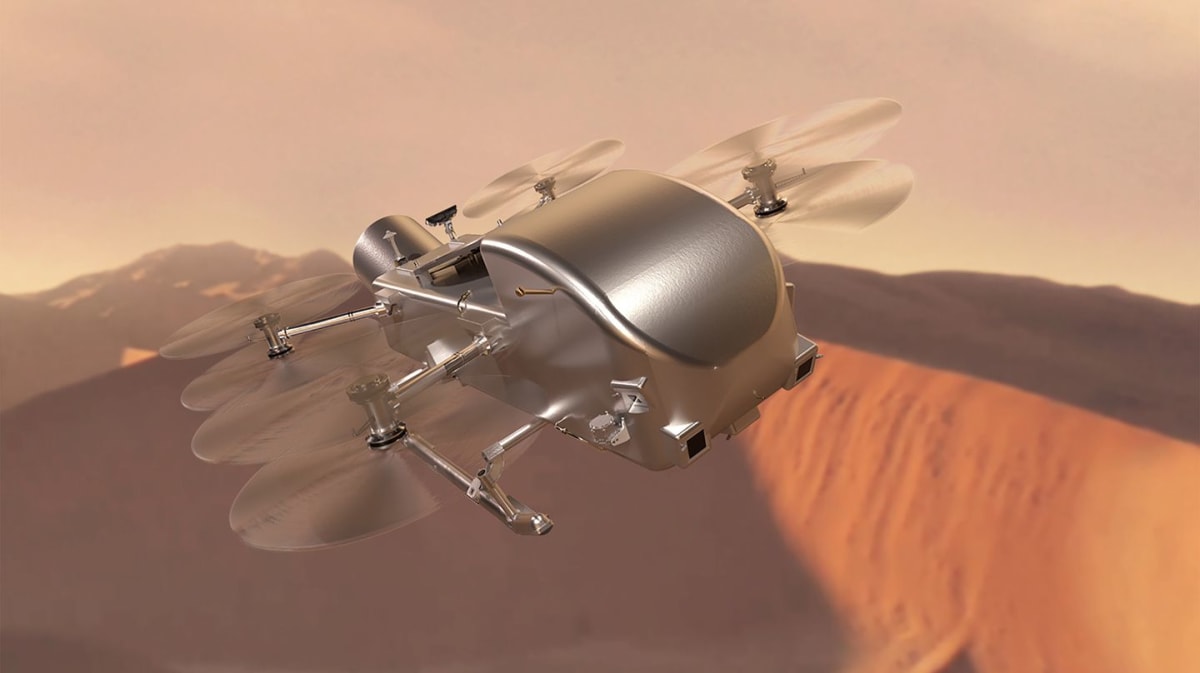
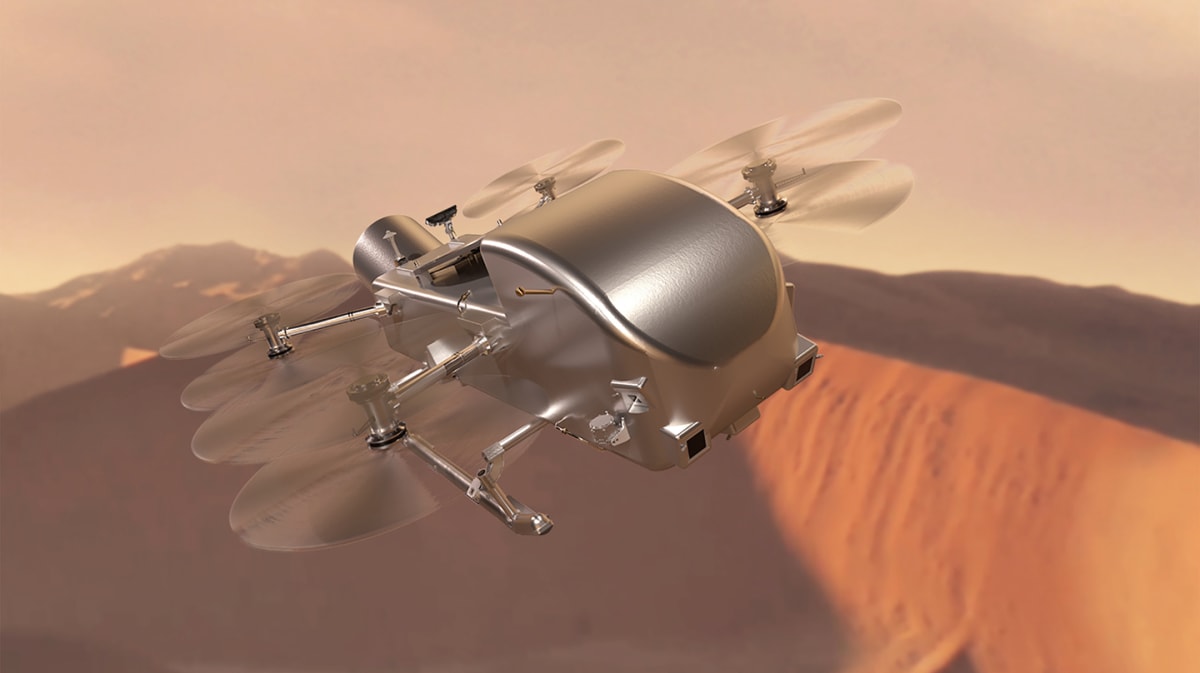
This matters right now because NASA is preparing Dragonfly, a robotic rotorcraft, for launch in 2028. The mission will send the craft to Titan, Saturn's largest moon, which has a thick atmosphere that's 95% nitrogen and only 5% methane. No oxygen at all.
Why This Inspires
This research shows how science builds on itself to reach new frontiers. Understanding how different atmospheres affect heat shields means engineers can design better protection for future missions, not just to Titan but to any world with a unique atmospheric mix.
The Dragonfly mission itself represents something hopeful. The rotorcraft will explore Titan's surface, studying its hydrocarbon lakes and rivers for molecules that could be precursors to life. Every technical challenge we solve brings us closer to answering whether life exists beyond Earth.
The study, published in the journal Carbon, doesn't just help one mission. It opens the door to safer exploration of Venus, Mars, and worlds we haven't even targeted yet. Each discovery like this makes the solar system a little more accessible and our cosmic neighborhood a little less mysterious.
More Images


Based on reporting by Space.com
This story was written by BrightWire based on verified news reports.
Spread the positivity!
Share this good news with someone who needs it