Hedgehogs Wear GPS Backpacks to Help Save Their Species
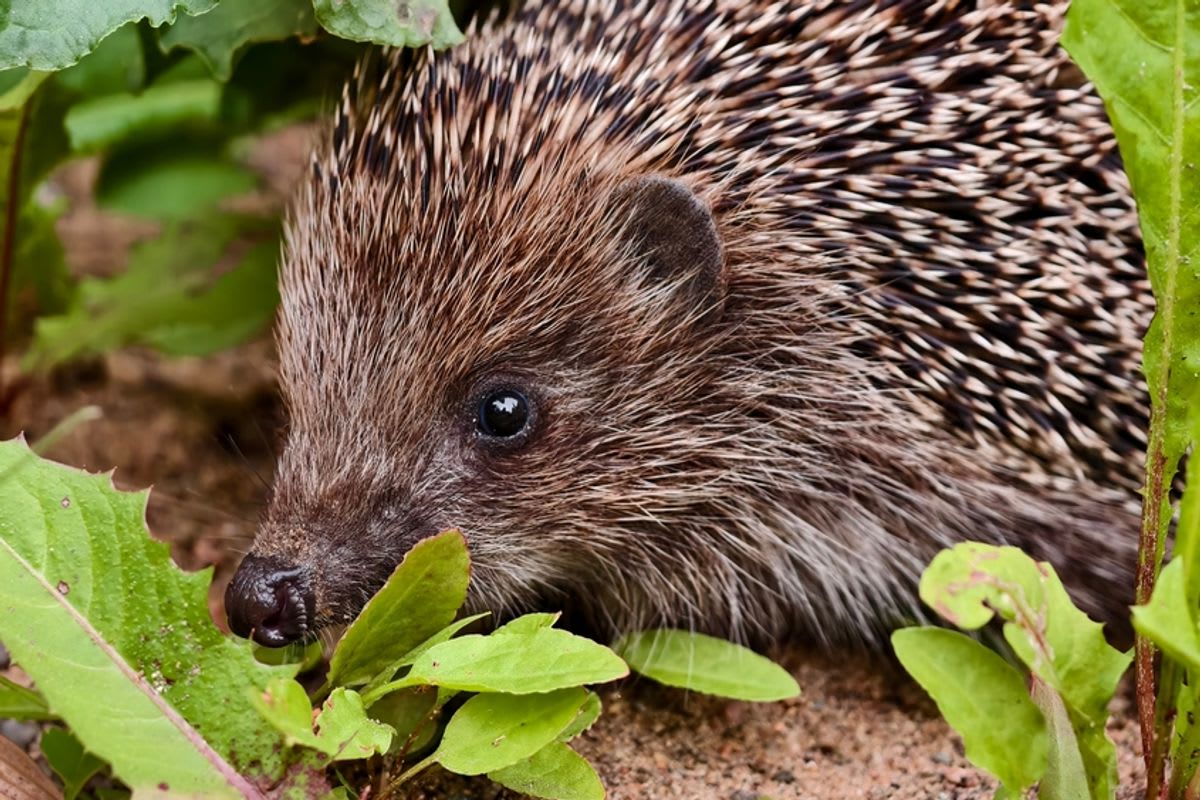
Tiny hedgehogs in Northern Ireland are now sporting GPS backpacks to help scientists understand why their populations are declining. The groundbreaking tracking project is revealing how these nocturnal creatures navigate urban dangers and what we can do to protect them.
Scientists in Northern Ireland have given hedgehogs something most people never thought they'd see: tiny GPS backpacks that track their nighttime adventures through gardens, across roads, and around neighborhoods.
Ulster Wildlife launched the first GPS hedgehog tracking project in Northern Ireland to solve a troubling mystery. European hedgehog populations have plummeted between 30 and 75 percent in some rural areas since 2000, earning them a Near Threatened classification.
While most people sleep, these spiny mammals are surprisingly busy travelers. Researchers have discovered hedgehogs can roam almost two miles in a single night, weaving through multiple gardens and making heart-stopping dashes across busy roads.
"After long nights patiently staking out gardens and waiting for hedgehogs to appear, the initial results have been absolutely fascinating," said Katy Bell, Senior Conservation Officer with Ulster Wildlife. The GPS devices attach harmlessly to the hedgehogs' spines and stay in place for several days before researchers remove them.
The project tracks only male hedgehogs to avoid disturbing nesting females. Scientists are mapping exactly where the animals travel, which green spaces they rely on, and what obstacles block their paths.
The data is already revealing crucial insights. Hedgehogs don't just need one nice garden to survive. They depend on entire connected neighborhoods with patches of green space, native plants, and safe passages between yards.
The Ripple Effect
The tracking data is helping regular people make simple changes that could save hedgehog lives. Residents are cutting small five-inch-by-five-inch holes in their fences to create "hedgehog highways" between gardens.
Others are leaving wild areas for nesting, planting native species that attract insects for hedgehogs to eat, and avoiding harmful pesticides and slug pellets. Some communities are even calling for traffic calming measures in neighborhoods where hedgehogs frequently cross roads.
The project also includes Ireland's first hedgehog detection dog. Trained canines help researchers locate hedgehogs more efficiently and recover any GPS tags that fall off during tracking.
Scientists believe urban gardens may now provide critical food, shelter, and nesting habitat that hedgehogs are struggling to find in disappearing rural areas. What looked like a population crisis might actually show hedgehogs adapting to human spaces, as long as those spaces stay connected and safe.
These tiny backpacks are doing more than tracking animal movements. They're creating a roadmap for how entire communities can work together to help a struggling species thrive right in their own backyards.
More Images


Based on reporting by Google: species saved endangered
This story was written by BrightWire based on verified news reports.
Spread the positivity!
Share this good news with someone who needs it

%2Ffile%2Fattachments%2F2998%2F14147038_376896.jpg)