Help Scientists Map Galaxy Collisions From Your Phone
NASA wants your help spotting cosmic clues in stunning new telescope images. Anyone with a smartphone can join Galaxy Zoo: Tidal Tales and help astronomers understand how galaxies grow and change.
You don't need a PhD to help unlock the mysteries of the universe. NASA and the European Space Agency just launched a citizen science project that lets anyone with a smartphone or laptop become a galaxy detective.
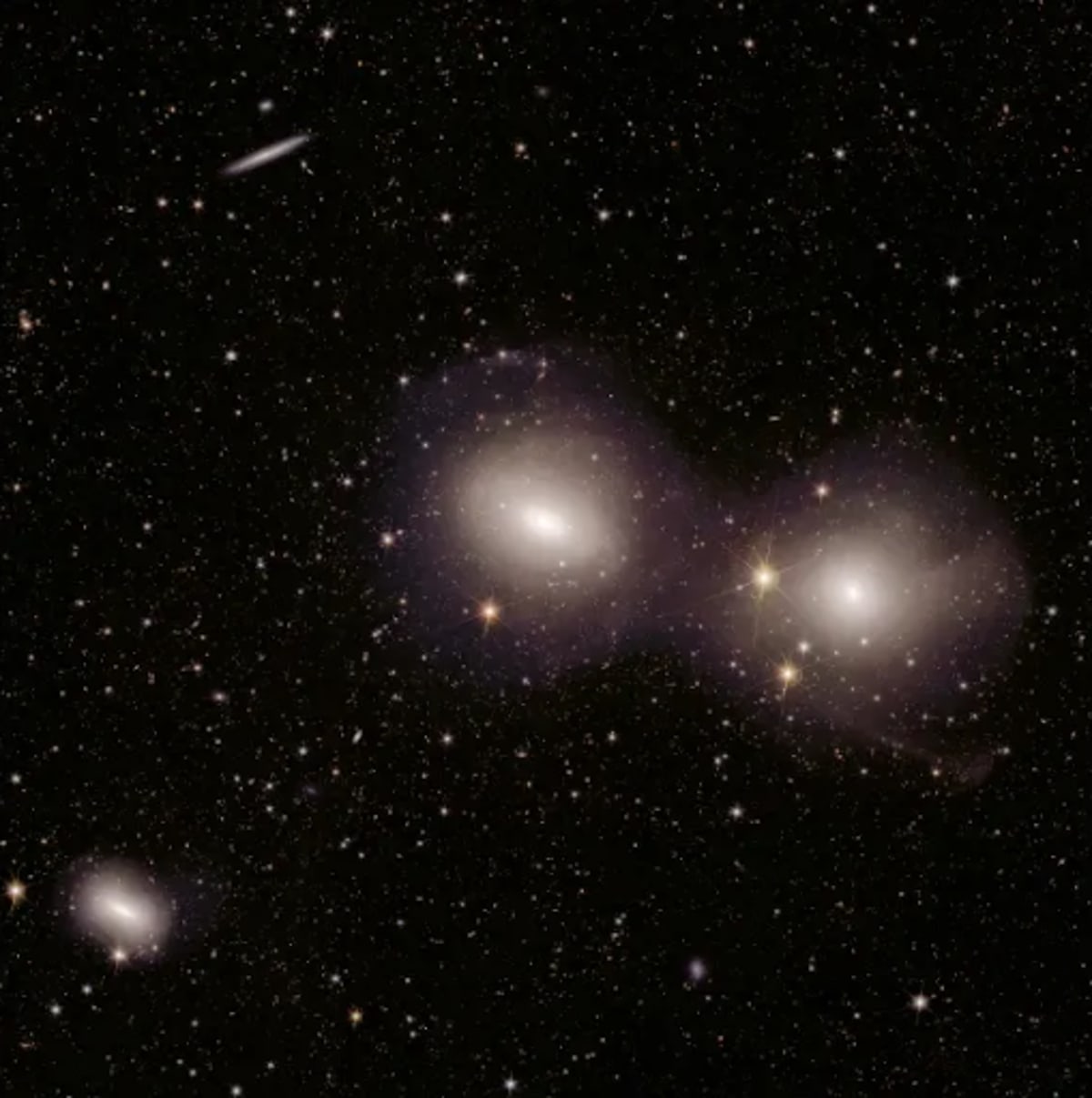
The project is called Galaxy Zoo: Tidal Tales, and it invites volunteers to look at breathtaking images from the Euclid space telescope. Your job? Spot the telltale signs that galaxies have bumped into each other in the past.
When galaxies pass close or collide, gravity pulls their stars into dramatic shapes. Long tails stream into space. Thin arcs curve around the edges. Faint shells of light wrap around the galaxy like ripples in a pond.
These features tell the story of cosmic encounters that happened millions or billions of years ago. The Euclid telescope captures these delicate structures in stunning detail, revealing thousands of galaxies that need human eyes to examine them.
Every galaxy you classify helps scientists build the first large catalog of galaxy mergers seen by Euclid. Your observations will also train computer models to recognize these features automatically in the future.
The project matters because galaxy collisions aren't just beautiful. They trigger new star formation, help galaxies grow larger, and shape how the universe has evolved over billions of years. By mapping these interactions, scientists can trace the history of cosmic growth.
The Ripple Effect
Citizen science projects like Galaxy Zoo have already transformed astronomy. Previous Galaxy Zoo volunteers have classified over 100 million galaxies and even discovered entirely new types of cosmic objects. Their work has contributed to hundreds of published research papers.
The new Tidal Tales project makes participation easier than ever. The interface works on any device, requires no training, and takes just minutes to learn. You simply look at each galaxy image and answer questions about what shapes you see.
Scientists need thousands of volunteers because human pattern recognition still beats computers at spotting subtle features. What looks obvious to your eye might be invisible to an algorithm. Your classifications help fill in gaps that machines alone cannot solve.
Getting started is simple. Visit the Zooniverse website, find Galaxy Zoo: Tidal Tales, and you can begin classifying galaxies immediately.
Why This Inspires
There's something profound about ordinary people helping to read the universe's history books. Every galaxy you examine is a real object millions of light years away, and you might be the first person to notice evidence of its ancient collision.
The project welcomes everyone, from curious kids to retired adults looking for a meaningful hobby. No background in science is required, just a willingness to look closely and share what you see.
Your contributions will appear in scientific research that helps us understand how galaxies like our own Milky Way came to be.
Join thousands of volunteers already exploring the cosmos from their couches, one galaxy at a time.
More Images

Based on reporting by NASA
This story was written by BrightWire based on verified news reports.
Spread the positivity!
Share this good news with someone who needs it