Help Stop Wildlife Trafficking With a Simple Screenshot
A new campaign lets anyone fight wildlife trafficking by reporting suspicious posts selling exotic animals online. One screenshot could save a pangolin, tortoise, or orangutan from illegal trade.
That adorable tortoise on Instagram might be an endangered animal illegally for sale, and now you can help stop the trade with just a few taps.
Wildlife Trust of India launched "Scroll, Spot, Stop" in June 2026 to turn everyday social media users into wildlife protectors. The idea is simple: if you see a wild animal being sold online, screenshot it and report it.
The problem is bigger than most people realize. Between 2019 and 2023, more than 100 illegal pet trade cases involved 109 species across India, with nearly 80% being exotic animals like orangutans, pangolins, and rare birds.
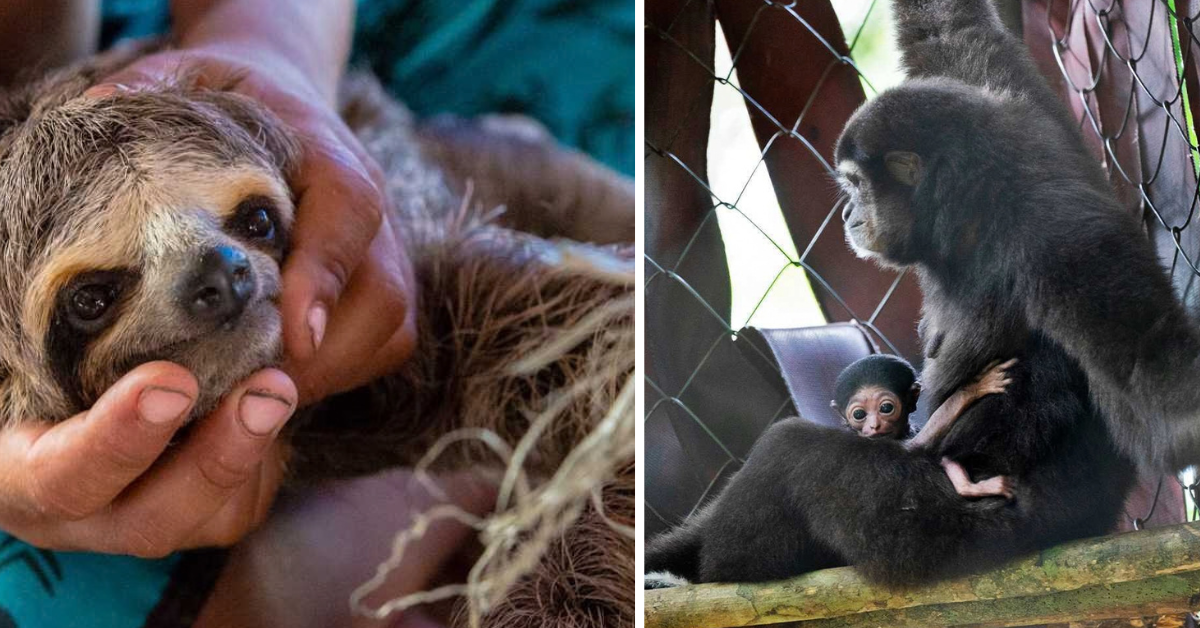
Just last month, five infant orangutans were found abandoned in Odisha, thousands of miles from their native Borneo and Sumatra rainforests. The discovery highlighted how wildlife trafficking has moved from dark forest trails to bright smartphone screens.
"People do not need to become investigators," says Jose Louies, CEO of Wildlife Trust of India. "What we are asking them to do is report what they come across."
The campaign focuses on keeping it simple. No confronting sellers, no detective work, just reporting suspicious posts to WTI's cyber-monitoring team, who work with law enforcement to stop the trade.
Pangolins show how urgent this is. From 2018 to 2022, authorities seized at least 1,203 pangolins across 24 Indian states, making them the world's most trafficked mammal. Eight of those cases involved online sales.
Star tortoises, parakeets, exotic reptiles, and primates now appear in social media posts that look harmless but fuel a dangerous trade. Northeast India accounts for 65% of confiscations, often near international borders used for smuggling.
The Ripple Effect
Every report helps enforcement agencies track trafficking networks before posts disappear or sellers change accounts. WTI describes its cyber-monitoring teams as a bridge between online wildlife crime and government action.
Since the campaign launched, ordinary people have already started sending emails about suspicious posts they've found. Each report creates a digital trail that can lead authorities to larger trafficking operations and save multiple animals.
The campaign proves that protecting wildlife doesn't require specialized training or dangerous fieldwork. Sometimes it just takes paying attention while scrolling through your feed and caring enough to hit "report."
One screenshot from your phone could be the difference between an endangered animal ending up in captivity or getting rescued.
More Images



Based on reporting by The Better India
This story was written by BrightWire based on verified news reports.
Turn Today’s Good News Into Action
Generate a simple, meaningful 2-minute act of kindness you can do today and log your ripple effect.
Spread the positivity!
Share this good news with someone who needs it

